Nanoparticle Cost Estimator
Estimate the real-world price of purchasing nanoparticles. Prices vary significantly based on material scarcity, required purity, and order volume.
Cost Breakdown
Why do prices vary?
- Volume Discounts: Buying >1kg often reduces unit cost by 50-90% compared to retail gram-scale purchases.
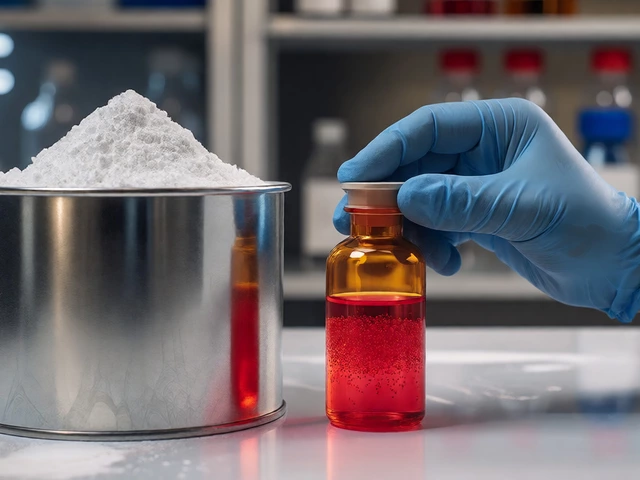
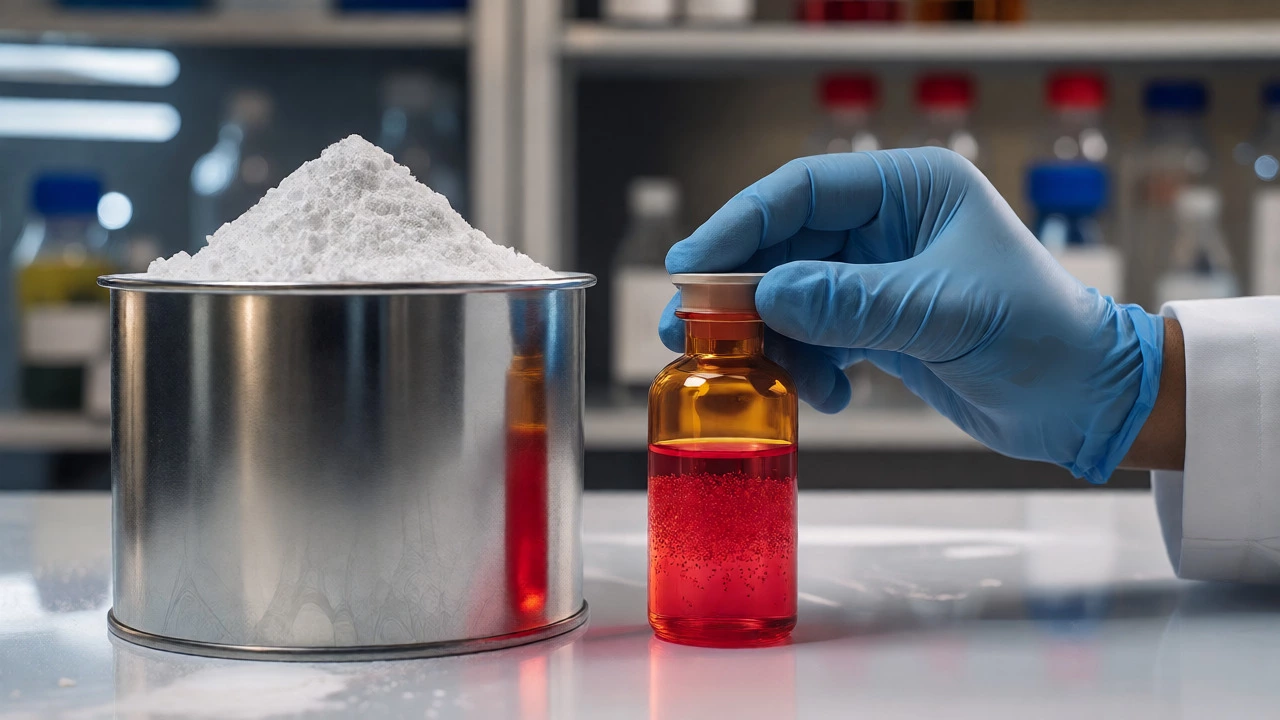
- Form Factor: Liquid suspensions cost more due to solvent weight and stabilization agents.
- Purity: Lab-grade requires Certificates of Analysis (CoA) and stricter contamination controls.
You probably don’t buy nanoparticles at the grocery store. You can’t pick up a bag of Gold Nanoparticles for ₹50 like you would sugar. The price tag depends entirely on what you’re trying to do. Are you a student mixing a quick experiment in a university lab? Or are you a manufacturer trying to coat solar panels with millions of units per second?
The gap between those two scenarios is massive. We’re talking about a difference of thousands, sometimes millions, of dollars per kilogram. It’s not just about the raw material. It’s about purity, size control, and whether it comes in a tiny vial or a drum.
Why Is There Such a Huge Price Gap?
Think of nanoparticles like custom-tailored suits versus off-the-rack shirts. If you need a generic shirt, it’s cheap. If you need a suit tailored to your exact measurements, made from specific silk, with hand-stitched buttons, the price skyrockets. Nanoparticles work the same way.
Silver Nanoparticles might cost $10 for a small bottle of suspension used in wound dressings research. But if you need dry powder with strict size distribution (say, 20-30 nm) for an industrial catalyst, that same gram could cost $50 or more. Why? Because keeping particles from clumping together requires special coatings and precise manufacturing processes.
Three main factors drive the cost:
- Purity and Quality Control: Lab-grade materials require certificates of analysis. Industrial-grade might have impurities that don’t matter for bulk applications but ruin sensitive medical tests.
- Form Factor: Dry powder is often cheaper per unit of mass than liquid suspensions because shipping water is expensive and stabilizing liquids adds processing costs.
- Order Volume: Buying 1 gram is retail. Buying 100 kilograms is wholesale. The discount curve here is steep.
Breakdown by Material Type
Not all nanomaterials are created equal. Some are abundant and easy to make; others involve rare earth elements or complex synthesis. Here’s a realistic look at current market prices as of late 2026.
| Material | Lab Grade (per gram) | Industrial Bulk (per kg) | Common Use Case |
|---|---|---|---|
| Titanium Dioxide (TiO₂) | $5 - $15 | $20 - $80 | Sunscreen, paint pigments |
| Carbon Nanotubes (CNTs) | $20 - $100 | $500 - $2,000 | Battery electrodes, composites |
| Gold Nanoparticles | $50 - $200 | $10,000+ | Diagnostics, sensors |
| Iron Oxide (Fe₃O₄) | $10 - $30 | $50 - $150 | MRI contrast, magnetic separation |
| Silica Nanoparticles | $5 - $20 | $10 - $40 | Drug delivery, cosmetics |
Notice how Titanium Dioxide is dirt cheap compared to Gold. That’s because we’ve been making nano-TiO₂ for decades. It’s stable, safe, and easy to produce in large quantities. Gold, on the other hand, is expensive metal-wise, and synthesizing uniform spheres requires careful chemical reduction.
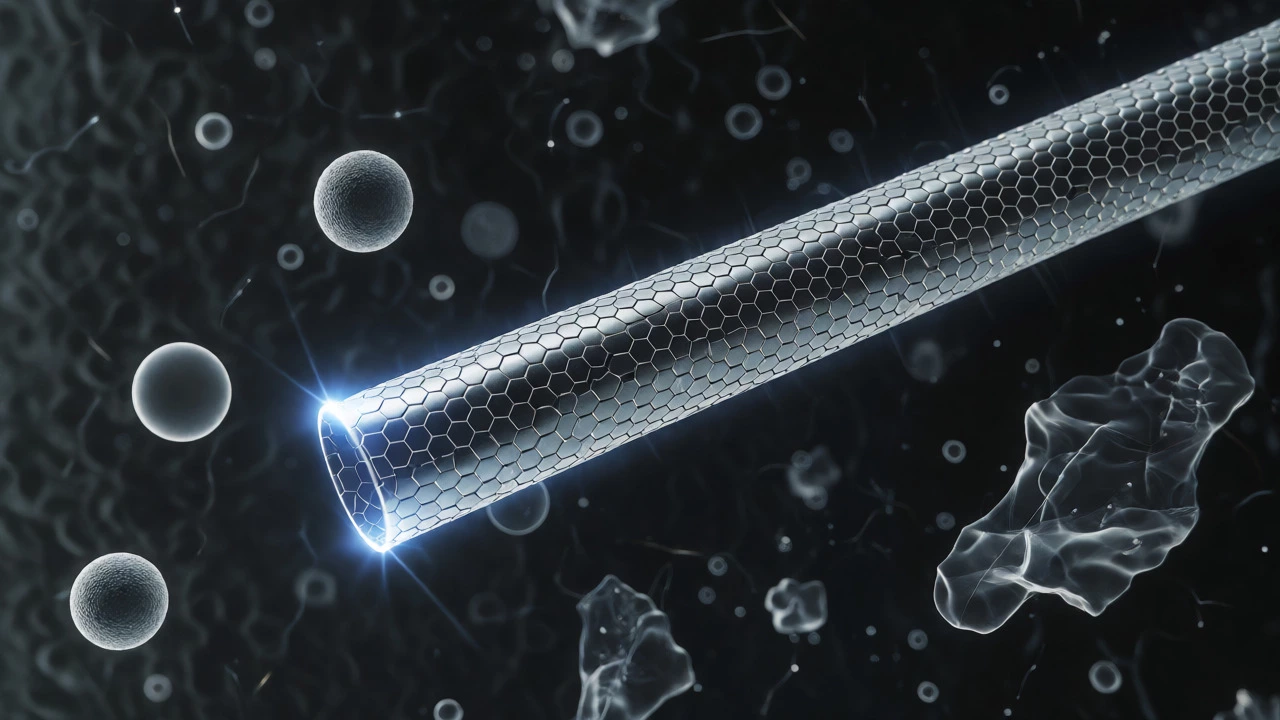
Carbon Nanotubes sit in the middle. They’re tough to make without defects. High-quality single-walled CNTs cost significantly more than multi-walled ones. If you’re building a super-strong plastic composite, you might tolerate some defects. If you’re using them for electronics, you need perfection, and that costs money.
Buying Small vs. Buying Big: The Hidden Fees
If you’re ordering online, watch out for the "minimum order quantity" trap. Many suppliers won’t sell less than 10 grams. If you only need 0.1 grams for a test tube experiment, you’re still paying for 10 grams. That drives up your effective cost per unit.
Shipping is another killer. Nanoparticles are light, but they’re hazardous goods. Shipping dry powder often requires UN-certified packaging. Liquid suspensions might need temperature-controlled transport. For international orders, customs duties on chemicals can add 10-20% to the bill.
Here’s a rule of thumb I use when budgeting for projects in Bangalore labs: * **Under 1 gram:** Expect to pay 5x-10x the bulk rate. * **1-10 grams:** Pay 2x-3x the bulk rate. * **Over 1 kg:** Negotiate directly with manufacturers. Don’t rely on e-commerce sites.
Also, consider the solvent. If you buy a suspension, you’re paying for water or alcohol plus the stabilizer agents. Sometimes it’s cheaper to buy dry powder and disperse it yourself, provided you have the right sonication equipment.
Where Does the Money Go in Manufacturing?
You might wonder why Zinc Oxide Nanoparticles cost so much more than regular zinc oxide powder. The answer lies in energy and precision.
Making nanoparticles requires breaking down bulk material into tiny pieces. This takes immense energy. Methods like ball milling grind particles down, but they introduce contaminants from the grinding media. Chemical vapor deposition creates high-purity particles but uses expensive gases and high temperatures.
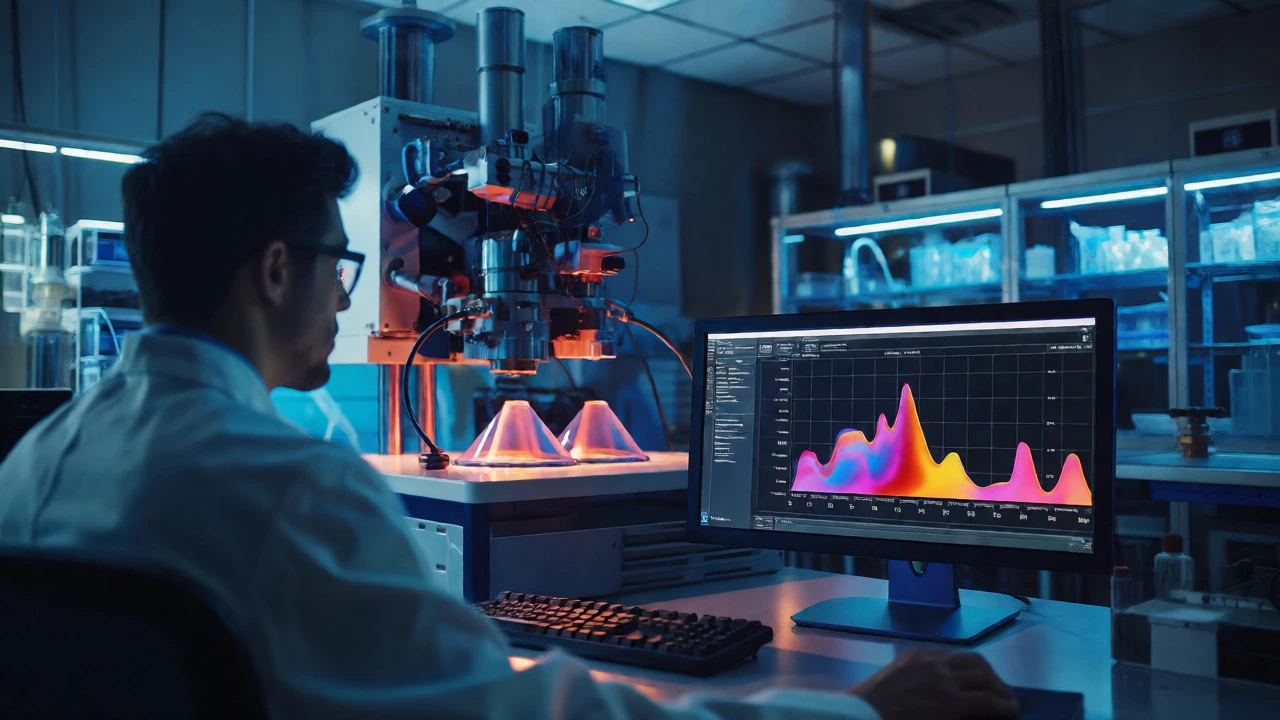
Quality assurance eats up 30-40% of the production cost. Every batch needs testing via electron microscopy (SEM/TEM) and dynamic light scattering (DLS). These instruments cost hundreds of thousands of dollars to run. If a supplier skips these tests, their product is cheaper-but risky. Inconsistent particle size means inconsistent performance in your final product.
In India, local production has helped lower costs for common materials like silica and titania. Companies in Hyderabad and Pune now supply industrial-grade nano-powders at competitive rates. However, specialized functionalized nanoparticles-where molecules are attached to the surface for drug targeting-still rely heavily on imports from Europe and the US.
DIY vs. Commercial: Can You Make Your Own?
Some researchers try to synthesize nanoparticles in-house to save money. For simple things like silver nanoparticles from silver nitrate and citrate, this works well. The chemicals are cheap. You need a hot plate, a stirrer, and maybe a UV-Vis spectrophotometer to check results.
But scaling up is hard. What works in a beaker doesn’t always work in a reactor. Reproducibility is the enemy. If Batch A has 10 nm particles and Batch B has 50 nm particles, your product quality varies wildly. Commercial suppliers charge a premium for consistency. When your project fails because of variable particle size, that "cheap" DIY option becomes very expensive.
For startups, buying commercial grade initially makes sense. Once you hit production volumes above 10 kg/month, it might be worth setting up a small synthesis line. Until then, focus on your core technology, not on becoming a chemical plant.
How to Get the Best Deal
Don’t just click "add to cart." Talk to sales reps. Ask for samples. Most reputable suppliers will send 1-5 grams for free or low cost so you can test compatibility before committing to a big order.
Check the Certificate of Analysis (CoA) carefully. Look for:
- Particle Size Distribution: Not just average size. A mean of 50 nm means nothing if half your particles are 10 nm and half are 90 nm.
- Purity: Check for residual solvents or metals.
- Zeta Potential: This tells you how stable the suspension is. Low zeta potential means particles will clump together quickly.
Compare vendors based on technical support, not just price. If you have a question about dispersion methods, will they help? Or are you just another invoice number? Good support saves you weeks of troubleshooting.
Finally, keep an eye on regulatory changes. As nanotechnology moves into consumer products, safety standards tighten. Materials that were cheap last year might require new certifications this year, driving up compliance costs.
Are nanoparticles more expensive than bulk materials?
Yes, significantly. While the base element might be cheap (like iron or silicon), the process to create nanoparticles adds substantial cost. You’re paying for precision engineering at the atomic scale, rigorous quality control, and specialized handling to prevent agglomeration. Bulk iron powder might cost $1/kg, while nano-iron powder can range from $50 to $200/kg depending on purity and coating.
Why is shipping so expensive for nanoparticle powders?
Nanoparticles are classified as hazardous materials in many jurisdictions due to inhalation risks. This requires UN-certified packaging, specific labeling, and sometimes hazmat-trained carriers. Additionally, dry powders are light but bulky relative to their value, and air freight is often preferred to avoid moisture contamination during long sea voyages, which increases costs.
Can I use industrial-grade nanoparticles for medical applications?
Generally, no. Medical applications require pharmaceutical-grade purity, sterility, and strict endotoxin limits. Industrial grades may contain heavy metal impurities or bacterial contaminants that are acceptable for paints or tires but dangerous in the human body. Always verify that the supplier provides a CoA meeting pharmacopeial standards for biomedical use.
Does the shape of the nanoparticle affect the price?
Absolutely. Spherical nanoparticles are the easiest and cheapest to produce. Rods, wires, plates, and cubes require more complex synthesis routes like template-assisted growth or lithography. For example, gold nanorods can cost 2-3 times more than gold nanospheres of the same mass due to the difficulty in controlling aspect ratio and preventing aggregation.
Is it cheaper to buy dry powder or liquid suspension?
Dry powder is usually cheaper per unit of active material. Liquid suspensions include the cost of the solvent (water, ethanol, etc.) and stabilizers. However, if you lack the equipment to properly disperse dry powder (like ultrasonic baths or high-shear mixers), the labor and time savings of buying pre-made suspensions might outweigh the higher material cost.