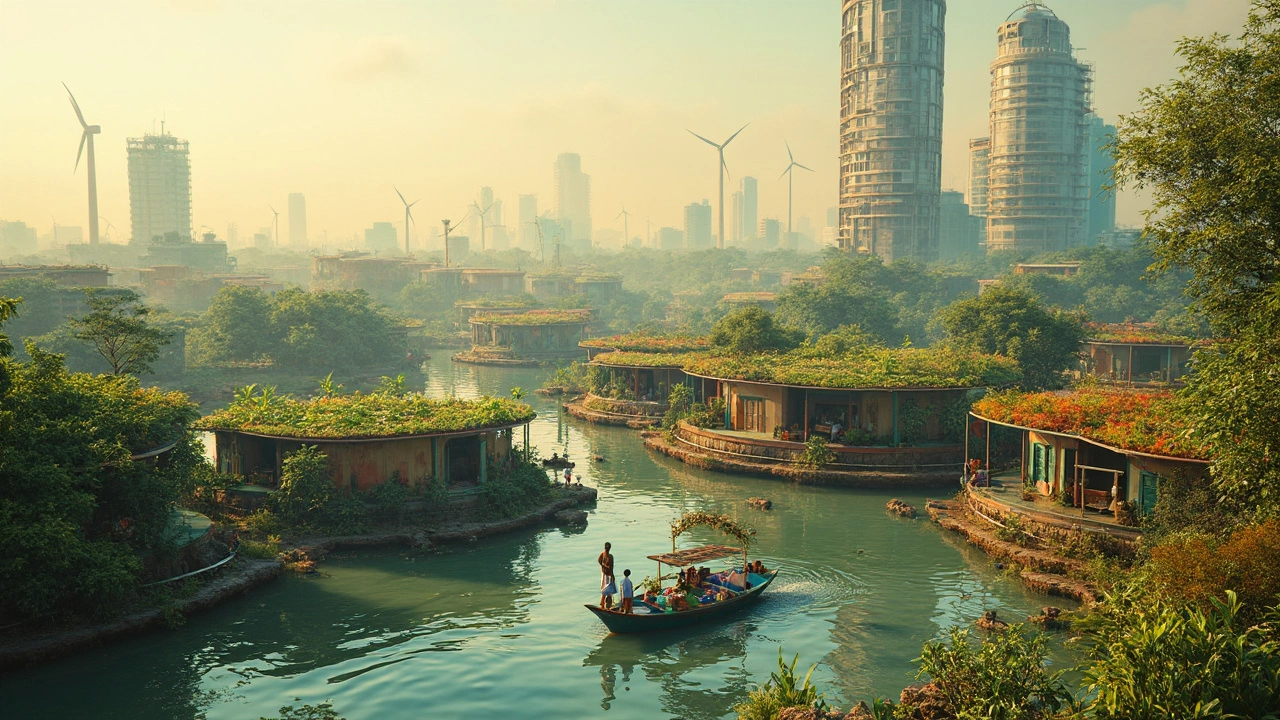
Environment in India: Clean Energy, Public Health, and Sustainable Innovation
When we talk about the environment, the natural world and its systems that support life on Earth, including air, water, soil, and ecosystems. Also known as ecosystem, it is being reshaped every day by the choices India makes in energy, health, and technology. This isn’t just about trees or pollution—it’s about whether a village in Rajasthan gets power from solar panels or diesel generators, whether a child in Delhi breathes cleaner air because of smoke-free laws, and whether a lab in Bangalore is using biotechnology to turn waste into fuel. The environment isn’t a distant concern. It’s in the cost of electricity, the design of public health programs, and the patents being filed right now across the country.
One of the biggest forces changing India’s environment is renewable energy, energy from sources that naturally replenish, like sunlight, wind, and biomass, without depleting finite resources. Solar is now the fastest-growing energy source in the country, and wind power beats every other option in cleanliness when you look at emissions, land use, and lifespan. These aren’t just ideals—they’re cheaper than coal today. That shift is driving real change: farmers are installing solar pumps, factories are switching to green hydrogen, and rural clinics are running on solar-powered refrigerators. And it’s not just about power—it’s about jobs, air quality, and saving lives. The public health, the science and practice of protecting and improving community health through prevention, education, and policy. side of this is just as powerful. Clean water programs, polio vaccines, and smoke-free laws didn’t just reduce disease—they cut down hospital visits, saved families money, and gave people more years to live. These are environmental actions too, because health and environment are two sides of the same coin.
Then there’s biotechnology, the use of living systems and organisms to develop or make products, especially for medicine, agriculture, and environmental cleanup. In India, it’s not just about gene editing or lab-grown meat—it’s about turning agricultural waste into biodegradable packaging, creating affordable vaccines, and using microbes to clean polluted rivers. These aren’t sci-fi dreams. They’re happening in labs in Hyderabad, Bengaluru, and Pune. And they’re all tied back to the environment: reducing plastic, cutting emissions, and healing damaged land.
You’ll find stories here about what’s working, who’s doing it, and why it’s not always easy. Some posts break down the real cost of solar power. Others show how a simple vaccination drive saved entire villages. One explains how a transfer agent turns a university discovery into a product that cleans up oil spills. Another reveals why wind is the cleanest energy source—not because it’s trendy, but because the numbers don’t lie. There’s no fluff. Just facts, examples, and the people on the ground making a difference. Whether you care about energy, health, or the future of India’s air and water, what follows is a collection of real, actionable insights—not theory, not hype, but what’s already changing the environment here.