Public Health: Real Programs That Saved Lives in India

When we talk about public health, the science and practice of protecting and improving the health of entire communities through prevention, education, and policy. It’s not about treating one sick person—it’s about stopping thousands from getting sick in the first place. In India, public health has saved millions through simple, low-cost actions: polio drops handed out door-to-door, clean water pipes reaching villages, and laws that banned smoking in public places. These aren’t theoretical ideas—they’re proven, real-world efforts that changed how people live.

public health programs, planned efforts to reduce disease and improve well-being across populations work because they target the root causes, not just symptoms. A vaccination drive doesn’t just give a shot—it stops an outbreak before it spreads. A smoke-free law doesn’t just restrict a habit—it cuts lung cancer rates over time. And public health intervention, a targeted action designed to change behavior or environment for better health outcomes like teaching mothers how to feed babies or distributing mosquito nets in malaria zones? These are the quiet heroes of modern medicine.

What makes public health powerful is that it doesn’t need fancy labs or expensive drugs. It needs people—nurses, community workers, teachers, local leaders—who understand what their communities need. It’s about trust, timing, and consistency. The same tools that worked in Tamil Nadu to eliminate polio are now being used in Bihar to fight diabetes. The same data-driven approach that cut tobacco use in Kerala is being copied in Rajasthan for clean cooking fuel.

Public health isn’t glamorous. You won’t see it on TV. But every time a child survives diphtheria, every time a woman gives birth safely, every time a village drinks clean water—it’s because someone planned it, funded it, and made sure it stuck. Below, you’ll find real examples of these programs, the science behind them, and how they’re still saving lives today. No theory. No fluff. Just what worked, where, and why.
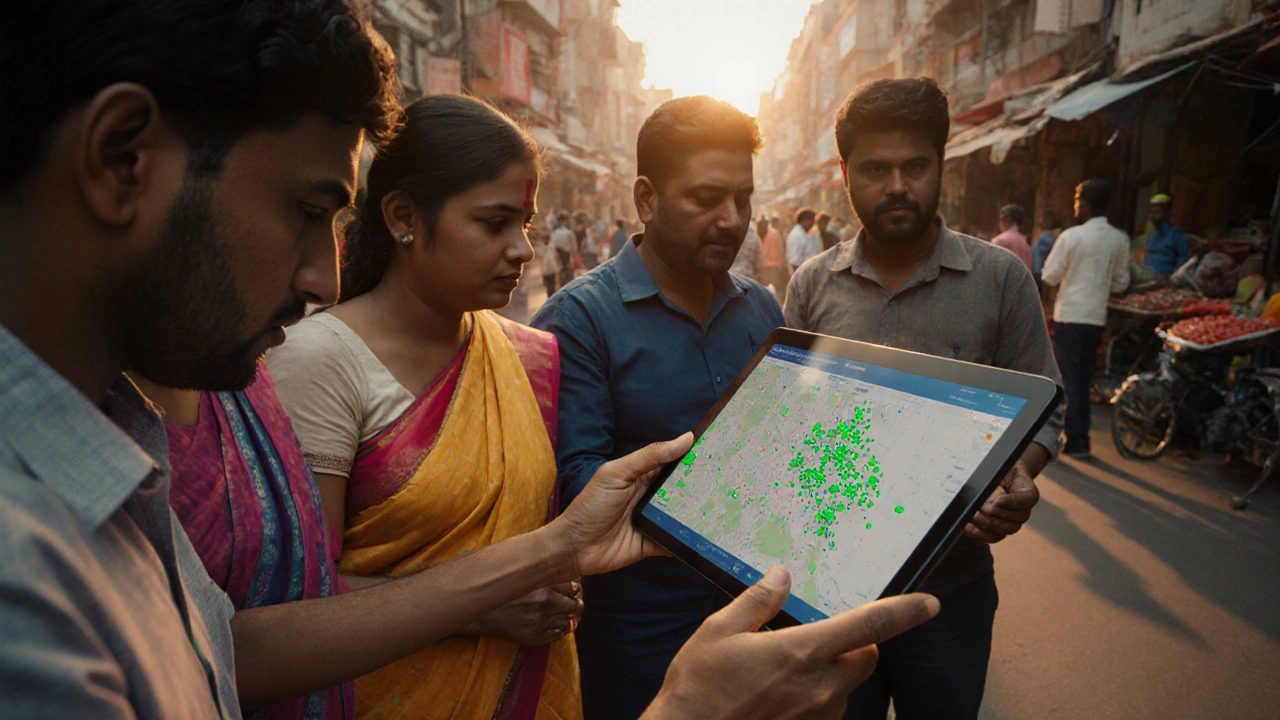

What Are the Three Core Functions of Public Health?
Public health saves lives by preventing disease before it starts. Its three core functions-assessment, policy development, and assurance-work together to protect communities from outbreaks, unhealthy environments, and unequal access to care.
Read More
Understanding Healthcare Quality Initiatives: What You Need to Know
Healthcare quality initiatives aim to enhance patient care, safety, and satisfaction by implementing structured programs. They involve continuous efforts to improve health service delivery, reduce errors, and promote efficient medical practices. These initiatives often use data-driven strategies to identify areas requiring improvement and measure success over time. Understanding their importance can lead to better healthcare outcomes and ensure patients receive optimal care.
Read More
17 Essential Public Health Interventions for a Healthier Society
Public health interventions are critical in improving the health of communities and populations. They encompass a range of strategies designed to prevent disease, promote health, and prolong life among the population as a whole. This article delves into 17 key public health interventions, highlighting their significance and impact on community health. From vaccination programs to health education, these interventions play a vital role in building healthier societies.
Read More
Understanding Public Health Interventions: A Practical Example
Public health interventions play a critical role in enhancing the well-being of communities by targeting the prevention and management of diseases. This article explores an example of a public health intervention, offering insights into its components, implementation challenges, and measurable impacts. It highlights the importance of community involvement and cross-sectoral collaboration in achieving successful outcomes. Tips are provided for developing effective health strategies that address diverse population needs.
Read More