Biotechnology, Climate Science, and Innovation in March 2025
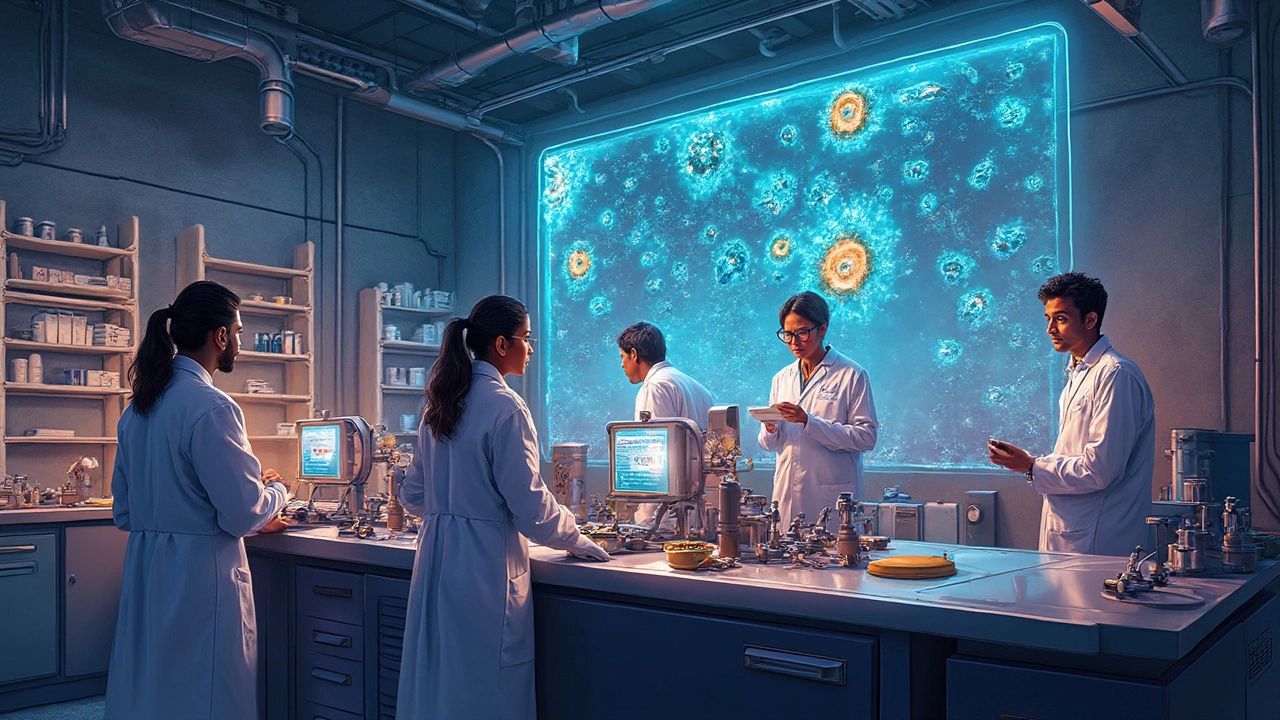
When we talk about biotechnology, the use of living systems and organisms to develop or make products, especially in medicine and agriculture. Also known as life sciences innovation, it’s not just lab coats and petri dishes—it’s changing how we treat cancer, grow food, and clean up pollution. In March 2025, this field took center stage with real progress in CRISPR gene editing, personalized medicine, and sustainable biotech solutions. But it didn’t stand alone. Climate change, nanotechnology, and space exploration were all part of the same conversation—because progress in one area always affects the others.
Climate change, long-term shifts in global temperatures and weather patterns, largely driven by human activity. Also known as global warming, it’s no longer a distant threat—it’s here, and it’s pushing scientists to act faster than ever. Posts this month dug into how much of it is human-caused (turns out, 70-80%), whether Earth will still be livable in 2300, and what we can actually do about it. These aren’t abstract theories. They’re urgent questions tied to policy, tech, and everyday choices. Meanwhile, nanotechnology, the science of manipulating matter at the atomic or molecular scale, typically under 100 nanometers. Also known as micro-scale engineering, it’s quietly revolutionizing everything from targeted cancer drugs to energy storage. And yes, it pays well—if you know where to look. The same month, we asked if women have walked on the moon (they haven’t yet), and why the next lunar missions might finally change that. These aren’t random topics. They’re all pieces of the same puzzle: how science and tech are solving real human problems.
From healthcare research careers to the 7 C’s of innovation, March 2025 was packed with practical insights. You’ll find posts that explain how technology transfer turns lab discoveries into real-world tools. You’ll see how quality initiatives in hospitals save lives. You’ll learn what’s really happening in space exploration—not just the big headlines, but the four key types driving progress. This isn’t a list of random articles. It’s a snapshot of India’s scientific momentum—grounded in facts, focused on impact, and built for people who want to understand what’s next.
Biotechnology has revolutionized various fields, transforming agriculture, medicine, and environmental management. By harnessing the power of living systems, it has enabled the development of genetically modified crops with higher yields and disease resistance. In healthcare, breakthroughs include targeted therapies and personalized medicine, improving treatment outcomes. Additionally, biotechnology is crucial in creating sustainable solutions to environmental challenges, reducing pollution and conserving resources.
Advanced biotechnology is taking giant leaps forward, with CRISPR gene editing leading the pack. This technique is revolutionizing how we understand and manipulate genes, offering potential treatments for genetic diseases. Unlike traditional methods, CRISPR is precise, cost-effective, and accessible, opening doors to innovative applications. While it promises significant medical breakthroughs, ethical considerations remain a hot topic in this ever-evolving field.
Exploring whether Earth will remain habitable by the year 2300 involves understanding the impacts of climate change, our influence on the environment, and the advancements in technology that could shape our future. Key considerations include rising temperatures, sea-level increase, and biodiversity loss. Learning from past environmental shifts can help us make decisions today that protect the planet for future generations. The article also discusses potential solutions and innovation required to avert ecological crises.
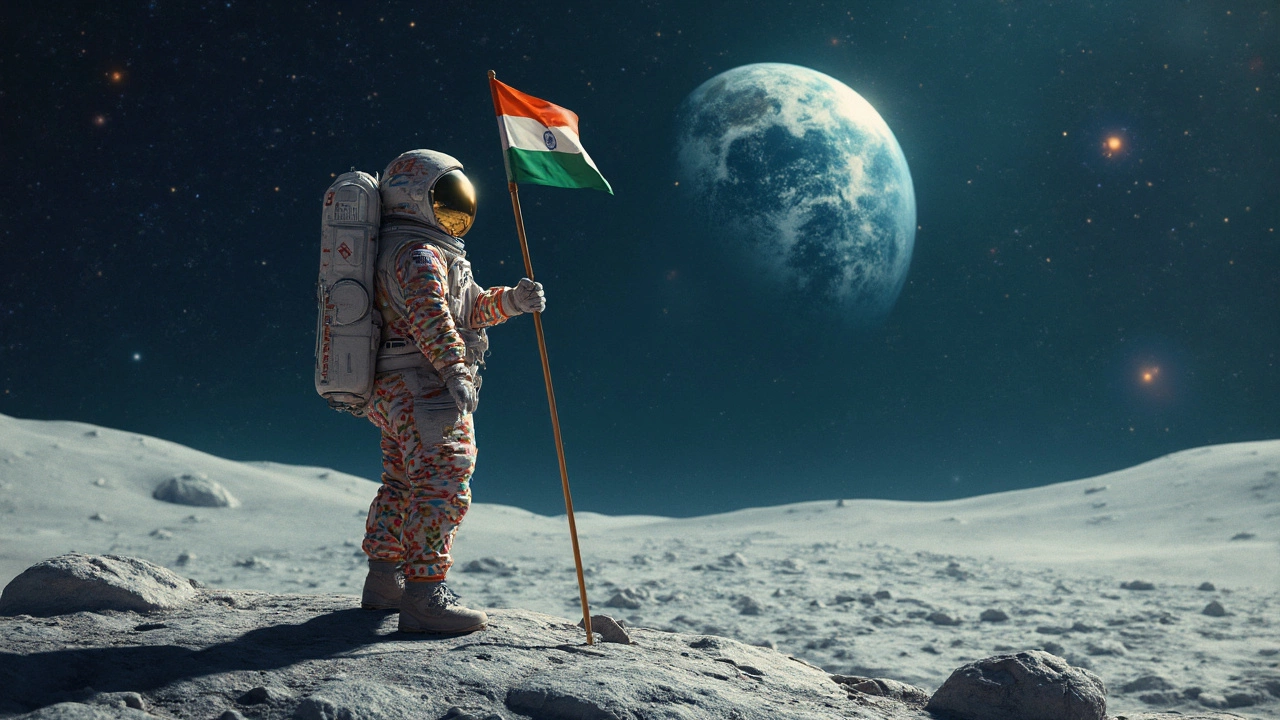
Women have made significant strides in space exploration, yet none have walked on the moon. The moon-walking era began in the 1960s, a time dominated by male astronauts, but the future looks promising. Upcoming missions aim at rectifying this historical oversight by preparing teams that include women. As technology advances, so does the possibility of seeing female astronauts take those legendary steps.
This article explores the connection between climate change and global warming, discussing how human activities contribute to increasing global temperatures. It delves into the role of greenhouse gases and offers practical tips on reducing carbon footprints. The piece also examines prevalent myths and provides insights from recent studies. Overall, it aims to enhance understanding of this critical global issue.
Nanotechnology is reshaping the world from medicine to electronics, offering innovations that were once science fiction. This versatile tech is driving unprecedented advancements, creating materials with unique properties and revolutionizing manufacturing processes. As it stands today, nanotech isn't just about tiny components; it's about creating vast impacts with microscopic innovations. From targeting cancer cells more effectively to creating more efficient batteries, the scope of nanotechnology continues to broaden, offering exciting possibilities and challenges alike.
Space exploration is a thrilling endeavor that pushes the boundaries of human capabilities and knowledge. There are four main types, each with unique goals and challenges. From human spaceflight to robotic exploration, space telescopes, and planetary exploration, each type plays a critical role in expanding our understanding of the universe. Dive into the journey from Earth to the furthest reaches of space and discover what makes each type of exploration unique.
Technology transfer is the process of moving knowledge, skills, technologies, or processes from one entity to another to meet innovation goals. The main purpose is to bring advancements from the research stage to practical applications, benefiting industries and society. Such transfers foster collaboration and often lead to breakthroughs that can revolutionize fields. Understanding this goal is key to leveraging its full potential. Insights into this process can help organizations better implement strategies for successful outcomes.
Nanotechnology is a booming field with promising career prospects, but does it pay well? This article explores the average salary range for professionals in nanotechnology, highlighting factors that influence earnings. Discover how education, specialization, and location play crucial roles in determining income. Learn about exciting opportunities and what skills are in demand. Get a glimpse of the financial potential in the rapidly evolving world of nanotech.
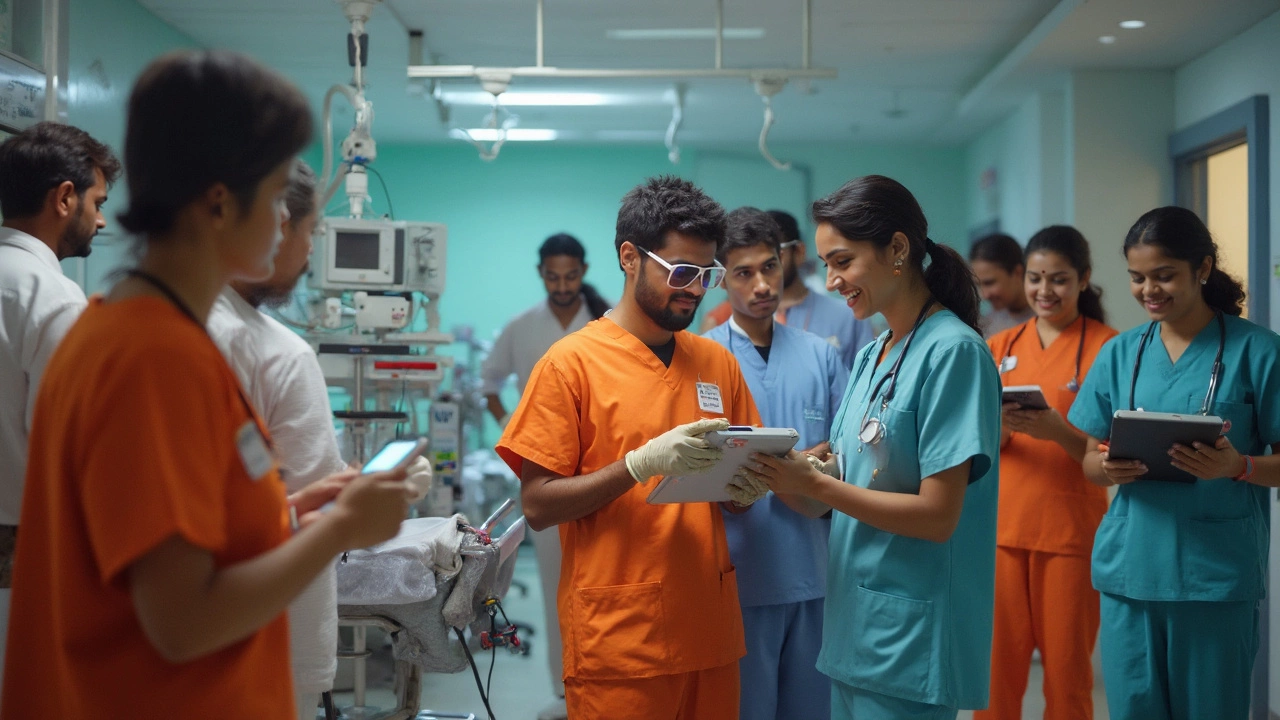
Healthcare quality initiatives aim to enhance patient care, safety, and satisfaction by implementing structured programs. They involve continuous efforts to improve health service delivery, reduce errors, and promote efficient medical practices. These initiatives often use data-driven strategies to identify areas requiring improvement and measure success over time. Understanding their importance can lead to better healthcare outcomes and ensure patients receive optimal care.
In the realm of innovation policy, the 7 C's present a structured way to foster and manage innovation effectively. These principles help organizations navigate the complex process of bringing new ideas to life. Each of the 7 C's—Curiosity, Collaboration, Creativity, Culture, Courage, Commitment, and Communication—plays a crucial role in ensuring successful innovation outcomes. This article breaks down each component, offering practical insights and strategies to integrate them within your innovation policies.
Human activities significantly contribute to global warming, largely through the emission of greenhouse gases. Leading climate experts estimate that human actions are responsible for approximately 70-80% of the observed warming since the mid-20th century. This warming trend has sparked an increased focus on sustainable practices and renewable energy to mitigate future impacts. Understanding the human role in climate change is essential for effective global policy and personal actions.