Biotech Technology Selector & Comparison Tool
Select a biotechnology trend below to analyze its mechanism, precision level, and primary application in the 2026 landscape.
CRISPR-Cas9
The Genetic Scissors
Base Editing
Chemical Conversion
Prime Editing
The Genetic Word Processor
Technology Details
Select a technology to see the primary application.
Click on one of the technology cards above to start the comparison.
Forget the idea that biotech is just about lab coats and petri dishes in a basement. Right now, we're seeing a massive collision between computer science and biology that is changing how we treat diseases and grow food. If you feel like the pace of medical news has accelerated, it's because we've moved from discovering how biology works to actually programming it like software. The goal isn't just to treat symptoms anymore; it's to rewrite the code of life to prevent the illness from ever happening.
The Shift Toward Precision Medicine
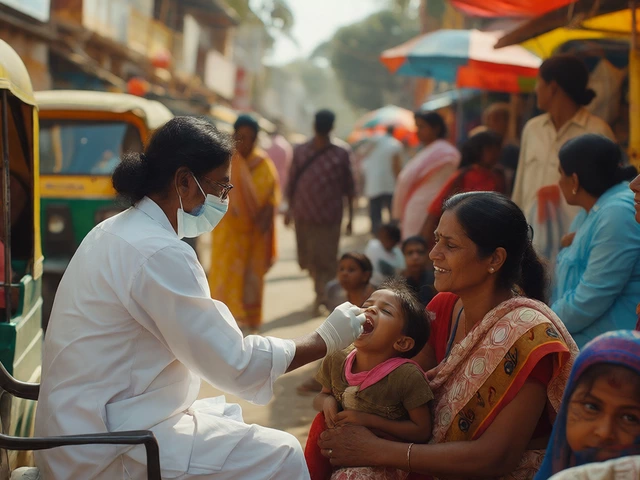
For decades, medicine was a guessing game of trial and error. You took a pill, and if it didn't work, you tried another. We've officially entered the era of Personalized Medicine is a medical model that separates patients into different groups-with biological differences-to ensure the right dose and drug. Instead of a one-size-fits-all approach, doctors now use your specific genetic makeup to pick the treatment. This is especially huge in oncology. For example, if you have a specific mutation in a lung cancer tumor, doctors can now use "targeted therapies" that attack only those mutated cells, leaving your healthy tissue alone.
A big part of this is biotechnology trends moving toward liquid biopsies. Instead of cutting a piece of tissue out of your body (a painful biopsy), a simple blood draw can now detect circulating tumor DNA. This means we can catch cancer months or years before it shows up on an MRI scan. Imagine knowing a problem exists while it's still a tiny cluster of cells rather than a full-blown tumor.
CRISPR and the Era of Gene Editing
You can't talk about modern biotech without mentioning CRISPR-Cas9 is a unique technology that enables geneticists and medical researchers to edit parts of the genome by removing, adding or altering sections of the DNA sequence. While the early days were about proving it worked, 2026 is all about the actual rollout of cures. We aren't just talking about treating sickle cell anemia-which was one of the first big wins-but moving toward "in vivo" editing. This is where the CRISPR components are injected directly into the body to fix a gene inside a living organ, like the liver or the eye, rather than taking cells out, editing them in a lab, and putting them back.
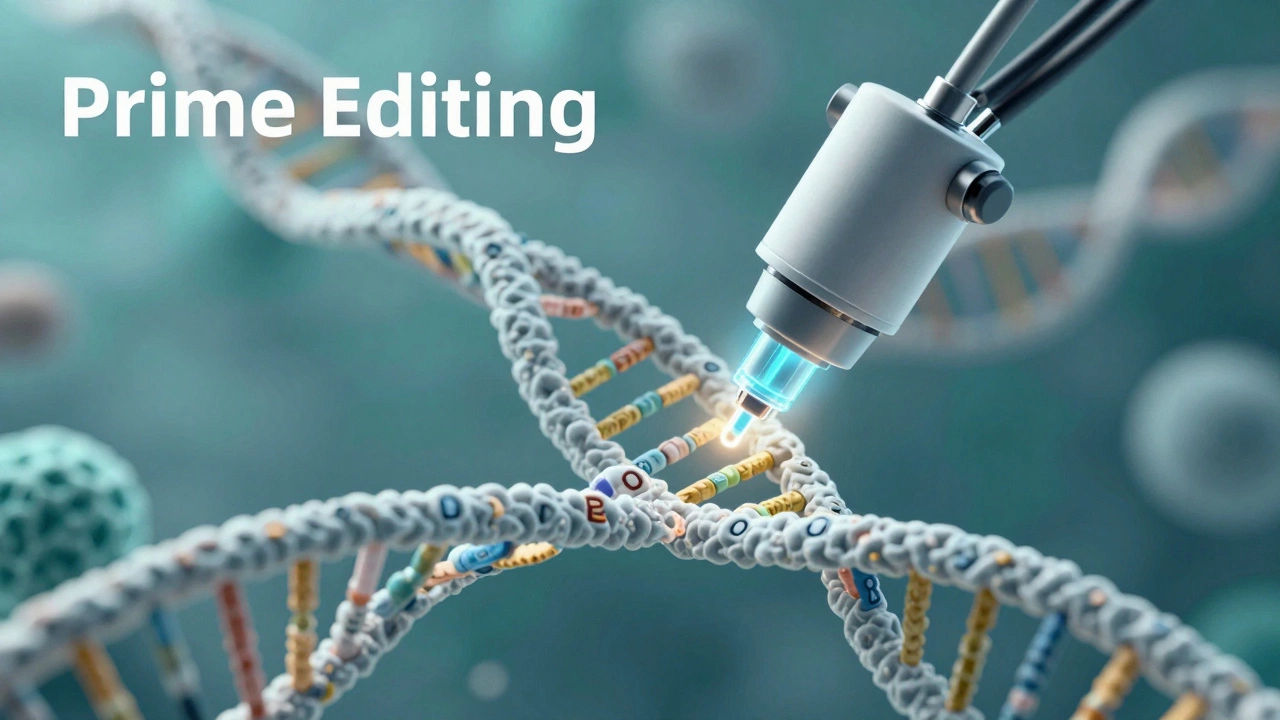
The newest evolution is "Prime Editing." Think of the original CRISPR as a pair of scissors that cuts DNA. Prime Editing is more like a word processor; it can search for a specific letter in the genetic code and replace it with another without breaking the DNA strand. This makes the process much safer and reduces the risk of "off-target effects," where the tool accidentally edits the wrong part of your genome.
| Technology | Mechanism | Precision | Primary Use Case |
|---|---|---|---|
| CRISPR-Cas9 | Double-strand break (Cut) | Medium | Gene knockout/disruption |
| Base Editing | Chemical conversion | High | Single nucleotide changes |
| Prime Editing | Search and Replace | Very High | Precise insertions/deletions |
Synthetic Biology and Lab-Grown Everything
We are moving away from extracting things from nature and toward building them from scratch. Synthetic Biology is a multidisciplinary field that applies engineering principles to biology to design and construct new biological parts and systems. This is why you can now buy "leather" made from mycelium (mushroom roots) or milk proteins created by yeast instead of cows. By programming microorganisms to produce specific molecules, we're cutting out the need for massive livestock farms and toxic chemical plants.
One of the most exciting applications is the creation of "Xenotransplantation." This is the practice of genetically modifying pigs so their organs don't trigger a massive immune rejection in humans. We've already seen successful temporary pig heart and kidney transplants in humans. The goal is to eliminate the organ transplant waiting list entirely by growing compatible organs in the lab or in modified animals.
The mRNA Revolution Beyond COVID-19
The world knows mRNA because of the pandemic, but mRNA Vaccines is a type of vaccine that uses messenger RNA to teach cells how to make a protein that triggers an immune response are just the beginning. We are now seeing the rise of "therapeutic vaccines." Instead of preventing a virus, these vaccines are designed to treat existing diseases. Imagine a vaccine for melanoma that teaches your immune system to recognize and kill the specific proteins found on your own tumor cells.
Beyond vaccines, mRNA is being used to treat rare genetic disorders. By delivering a specific mRNA sequence to the liver, scientists can trick the body into producing a protein that the patient is naturally missing. It's essentially a temporary software update for your cells, providing a functional protein without permanently altering your DNA.
AI-Driven Protein Folding and Drug Discovery
For a long time, understanding how a protein folds into its 3D shape was one of the hardest problems in science. If you don't know the shape, you can't design a drug to fit into it. Enter AlphaFold is an AI system developed by Google DeepMind that predicts the 3D structure of a protein from its amino acid sequence. AI has effectively solved the folding problem, which has accelerated drug discovery by years. Instead of spending a decade in a lab trying to figure out how a protein behaves, researchers can now simulate it in seconds on a computer.
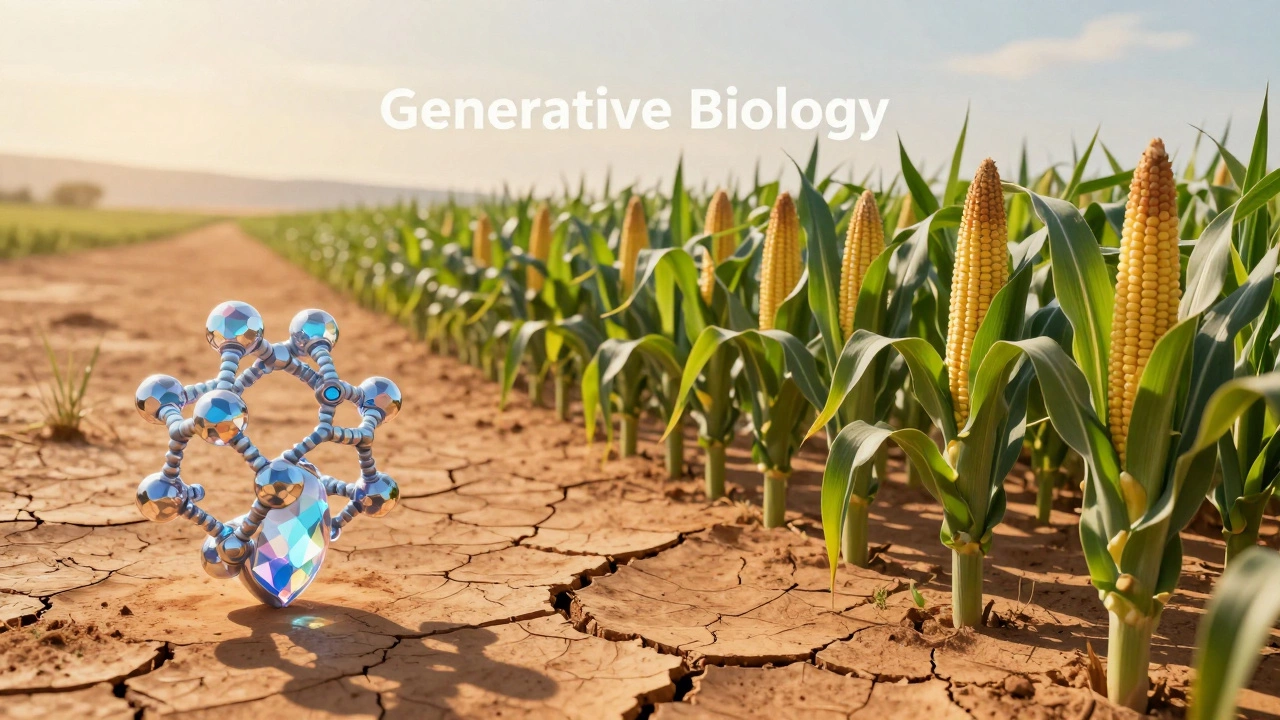
This has led to "Generative Biology." Much like how AI can generate a picture of a cat, it can now generate a protein that has never existed in nature. Scientists are designing custom proteins that can bind to a specific virus or break down plastic in the ocean. We are no longer limited to the tools nature gave us; we are designing our own.
Agricultural Biotech and Climate Resilience
With the climate shifting, our current crops can't keep up. Biotech is stepping in with "climate-smart" agriculture. We're seeing the development of crops that can survive high salinity or extreme drought. This isn't just old-school GMOs; it's about using a technique called Epigenetics is the study of heritable changes in gene expression that do not involve changes to the underlying DNA sequence to "wake up" dormant genes in plants that make them more resilient to heat.
We're also seeing a surge in nitrogen-fixing crops. Most crops need synthetic fertilizers, which are terrible for the environment. Biotech firms are engineering cereals like corn to do what legumes do-pull nitrogen directly from the air. If this scales, it could radically reduce the carbon footprint of global farming and stop the runoff that kills fish in our oceans.
Is CRISPR safe for human use?
While early versions had risks of "off-target" mutations, newer techniques like Prime Editing and Base Editing have significantly increased precision. Regulatory bodies like the FDA have already approved specific CRISPR therapies for blood disorders, though long-term monitoring remains essential to ensure safety over decades.
How does AI actually help in biotechnology?
AI removes the guesswork. It can predict how a drug molecule will interact with a protein, simulate how a virus will mutate, and analyze massive sets of genetic data to find patterns that a human doctor would miss. This reduces the time it takes to move a drug from the lab to clinical trials.
What is the difference between GMOs and Synthetic Biology?
GMOs typically involve moving a gene from one species to another. Synthetic Biology goes further by designing entirely new genetic sequences from scratch using computer software and then "printing" that DNA to create organisms with functions that don't exist in nature.
Will lab-grown meat actually replace real meat?
The goal isn't necessarily total replacement but providing a sustainable alternative. Cultivated meat reduces land use and methane emissions. The main hurdles right now are scaling production to lower the price and getting consumers comfortable with the idea of "cell-grown" protein.
Can mRNA technology cure genetic diseases?
Yes, potentially. By delivering mRNA that codes for a missing or functional protein, we can treat diseases caused by protein deficiencies. Unlike gene therapy, mRNA doesn't change your permanent DNA, meaning the treatment needs to be administered periodically, which also makes it easier to stop if side effects occur.
Next Steps and Considerations
If you're looking to get into this field, the biggest takeaway is that biology is becoming a data science. Learning Python or R is now just as important for a biologist as knowing how to use a pipette. For patients and consumers, the next few years will be about accessibility. The tech exists, but the challenge is making these "million-dollar cures" affordable for the average person.
Keep an eye on regulatory shifts. As we move toward more complex edits, governments are struggling to decide where the line is between "curing a disease" and "enhancing a human." The conversation is moving from "Can we do it?" to "Should we do it?" and that's where the real tension will be in the coming decade.