August 2025 STEM Insights: Fossil Fuels, Renewable Cars, and Public Health Models
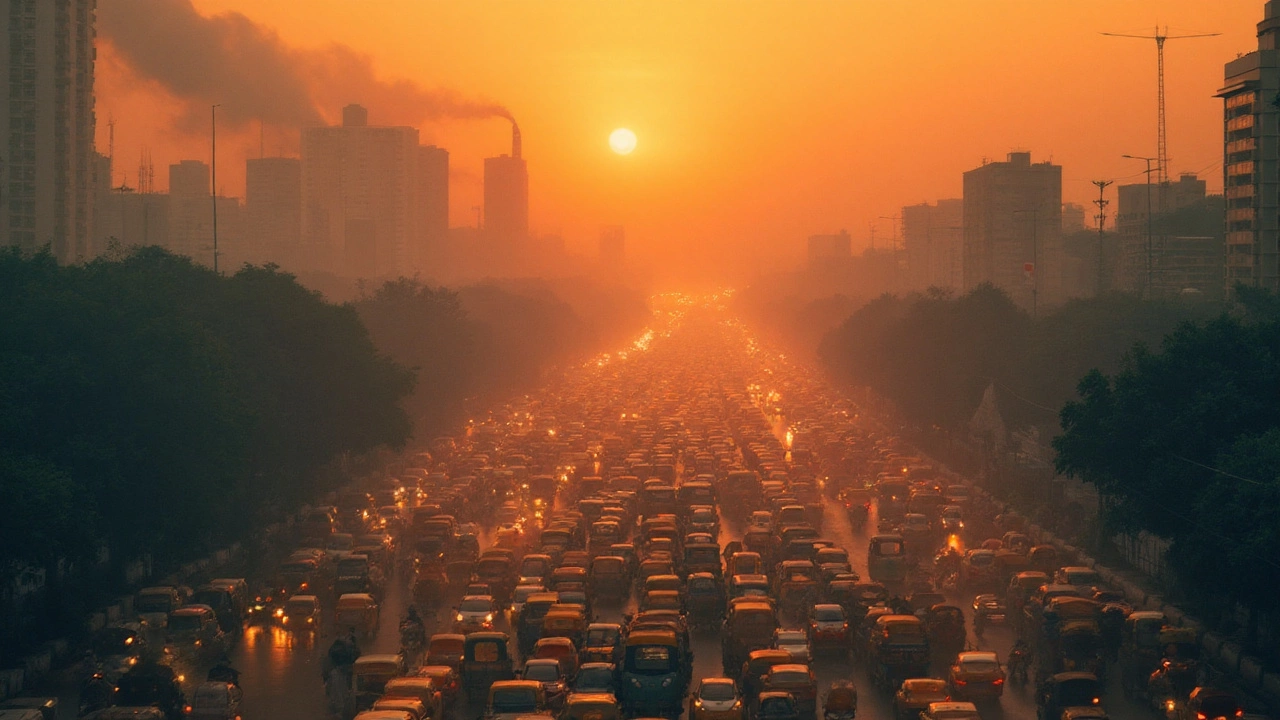
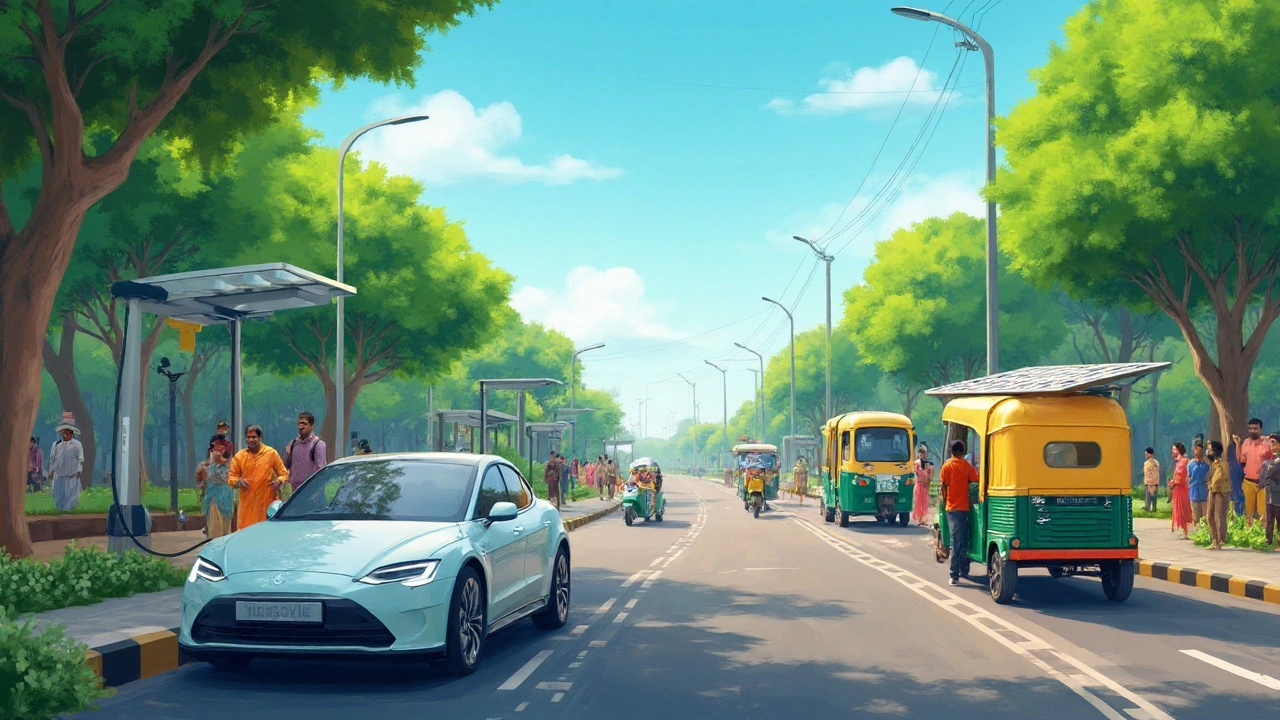
When we talk about fossil fuel consumption, the total amount of coal, oil, and natural gas burned for energy across nations. Also known as energy demand, it directly shapes climate policy, air quality, and global economic power. In August 2025, we looked at who’s burning the most—and why it still matters even as clean energy grows. The top countries aren’t just using fossil fuels; they’re locking in infrastructure, jobs, and political influence around them. But change is coming fast. Around the same time, we dug into renewable energy, power sources like solar, wind, and hydrogen that can replace gasoline in vehicles without emitting greenhouse gases. Also known as clean energy, it’s no longer a futuristic idea—it’s being tested on highways and in city fleets right now. From electric cars with longer ranges to hydrogen trucks hitting delivery routes, the shift isn’t hypothetical. It’s happening in real time, and the data shows it’s cheaper, cleaner, and faster than most people think.
And while energy systems are changing, so are the systems that keep people healthy. public health models, mathematical and statistical frameworks used to predict disease spread and design prevention programs. Also known as population health tools, they helped governments respond to outbreaks, plan vaccination drives, and cut hospital costs before crises hit. These aren’t just graphs on a screen—they’re the reason some cities saw fewer flu deaths, or why rural clinics got funding before a pandemic hit. In August, we showed how these models work behind the scenes, using real examples from India and beyond. What ties all these topics together? They’re not isolated. Fossil fuel use affects air pollution, which worsens asthma and heart disease—something public health models can track. Renewable energy reduces emissions, which slows climate change, which in turn reduces heat-related deaths. It’s all connected.
What you’ll find in this archive isn’t just a list of articles. It’s a snapshot of how science is solving real problems—whether it’s cutting pollution, rethinking transportation, or saving lives before they’re at risk. These aren’t abstract ideas. They’re decisions being made right now, by engineers, doctors, and policymakers across India. And if you’re wondering what’s next for science in this country, this is where you start.