Nanoparticle Risk Assessment Tool
Electronics, Composites
Textiles, Antibacterial Coatings
Sunscreens, Paints, Food
Displays, Medical Imaging
Breathing in airborne particles/dust
Consuming via food or water
Contact with skin/surface
Water/Soil contamination
Risk Analysis Report
Based on current scientific literature regarding
Detailed Impact Analysis
We often hear about the miracles of nanotechnology is the manipulation of matter on an atomic, molecular, and supramolecular scale. It promises self-healing concrete, cancer-killing drug delivery systems, and water filters that catch every virus. But what happens when these tiny particles escape into our bodies or our rivers? The same properties that make nanomaterials useful-small size, high reactivity, and ability to cross biological barriers-are exactly what make them dangerous.
As we stand in 2026, with billions of dollars invested in nanotech industries, it’s time to look past the hype. We need to understand the real, documented negative impacts of this technology. From lung damage in factory workers to mysterious pollution in soil, the risks are not theoretical anymore. They are happening now.
The Invisible Threat: How Nanoparticles Enter Your Body
To understand the danger, you first have to understand the scale. A human hair is about 80,000 nanometers wide. Most nanoparticles used in consumer products range from 1 to 100 nanometers. Because they are so small, they behave differently than larger particles of the same material. Gold is generally safe, but gold nanoparticles can penetrate cell membranes and accumulate in organs.
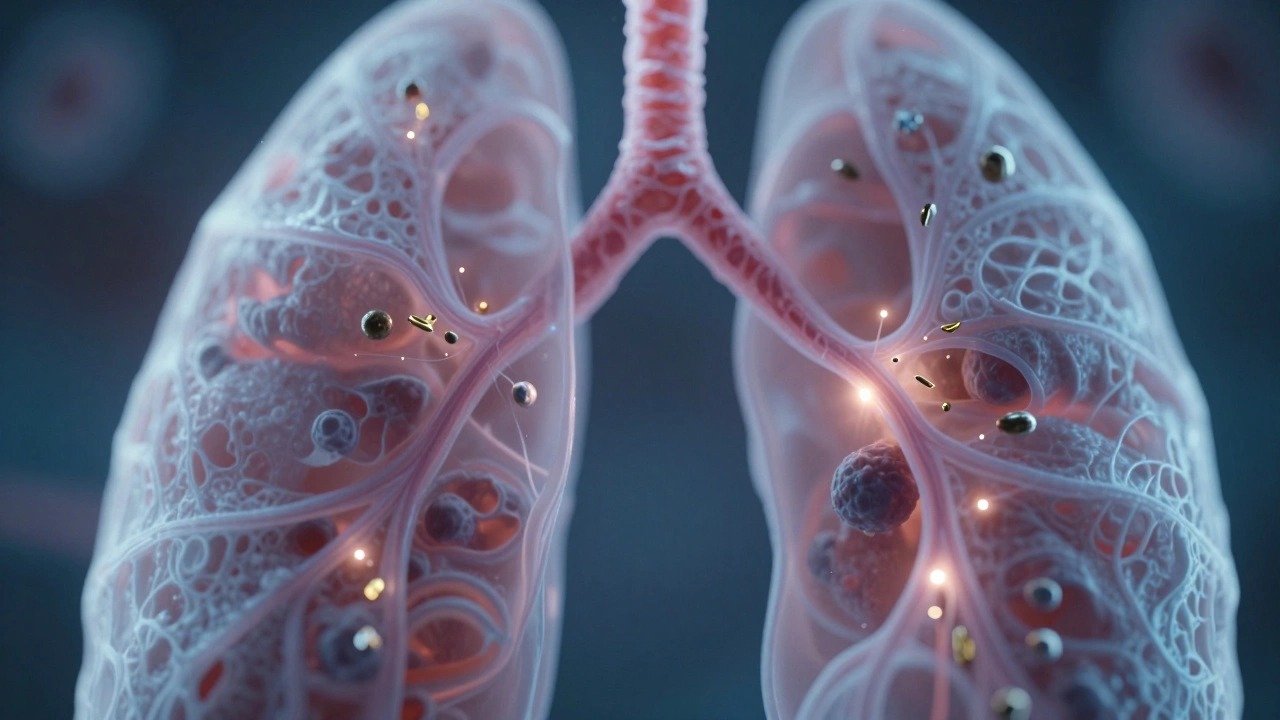
These particles enter your body through three main routes: inhalation, ingestion, and skin absorption. When you breathe in airborne nanoparticles, they don’t just stop in your lungs like dust does. They travel deep into the alveoli-the tiny air sacs where oxygen enters your blood. From there, they can cross into the bloodstream and reach vital organs like the heart, liver, and brain.
Consider titanium dioxide (TiO2), a common white pigment found in sunscreens, paints, and food additives. In bulk form, it’s relatively inert. But as nanoparticles, TiO2 generates reactive oxygen species (ROS) when exposed to light. This causes oxidative stress in cells, damaging DNA and potentially leading to inflammation or cancer. Studies on lab animals have shown that inhaling TiO2 nanoparticles leads to significant lung inflammation and fibrosis, similar to what we see in silicosis among miners.
- Inhalation: Carbon nanotubes, which resemble asbestos fibers in shape, can cause mesothelioma-like tumors in animal studies when inhaled deeply.
- Ingestion: Silver nanoparticles used in antibacterial coatings for kitchenware can leach into food, disrupting gut bacteria and potentially entering the bloodstream.
- Dermal Absorption: While intact skin is a good barrier, damaged skin or pores can allow certain nanoparticles to pass through, raising concerns about long-term accumulation in tissues.
Environmental Accumulation: The Pollution We Can't See
Nanotechnology isn’t just a health issue; it’s an ecological one. Every time you wash clothes treated with silver-impregnated fabrics, every time you scrape off old paint containing nano-titanium dioxide, and every time medical waste containing nanomaterials is disposed of, these particles enter the environment.
The problem is that our current wastewater treatment plants were not designed to filter out particles this small. Conventional filtration methods let most nanoparticles pass right through. Once in rivers and lakes, they settle into the sediment. Here, they begin to affect aquatic life. Fish gills, which are delicate and highly vascularized, absorb these particles efficiently. Research has shown that exposure to copper oxide nanoparticles reduces growth rates and reproductive success in zebrafish. More alarmingly, these toxins biomagnify up the food chain. Small fish eat contaminated plankton, bigger fish eat the small fish, and eventually, humans eat the big fish.
Soil health is another major concern. Nanomaterials used in agricultural pesticides and fertilizers persist in the ground. They can alter microbial communities essential for nutrient cycling. If the bacteria that fix nitrogen in the soil die off because of nano-silver toxicity, crop yields drop, forcing farmers to use even more chemical inputs-a vicious cycle.
| Nanomaterial | Common Use | Primary Health Risk | Environmental Impact |
|---|---|---|---|
| Carbon Nanotubes (CNTs) | Electronics, Composites | Lung fibrosis, inflammation | Persistence in soil, unknown degradation path |
| Silver Nanoparticles (AgNP) | Antibacterial coatings, Textiles | Gut microbiome disruption | Toxic to aquatic organisms, bioaccumulation |
| Titanium Dioxide (TiO2) | Sunscreens, Paints, Food | Oxidative stress, potential carcinogen | Photocatalytic activity harms algae |
| Quantum Dots | Displays, Medical Imaging | Heavy metal toxicity (Cadmium) | Leaching of toxic metals into groundwater |
Occupational Hazards: The Workers at Risk
While consumers face low-level exposure, workers in nanotechnology manufacturing facilities face immediate and severe risks. These "nano-workers" handle dry powders of carbon nanotubes, metal oxides, and fullerenes daily. Without proper containment, these materials become airborne easily.
The challenge is detection. Standard industrial hygiene monitors often fail to detect nanoparticles accurately because they measure mass concentration, not particle count. You can have a very low mass of particles but a huge number of them, which is what drives toxicity. Many factories still lack specific ventilation systems designed for nano-aerosols.
Reports from early adopters in the industry highlight cases of unexplained respiratory issues among technicians. The latency period for diseases like asbestosis is decades long. We may not see the full extent of occupational nanotoxicity until 2040 or later. This creates a moral urgency for stricter safety protocols today. Employers must treat all dry nanomaterials as potential hazards, using closed-system processing and high-efficiency particulate air (HEPA) filtration.

Ethical and Socioeconomic Concerns
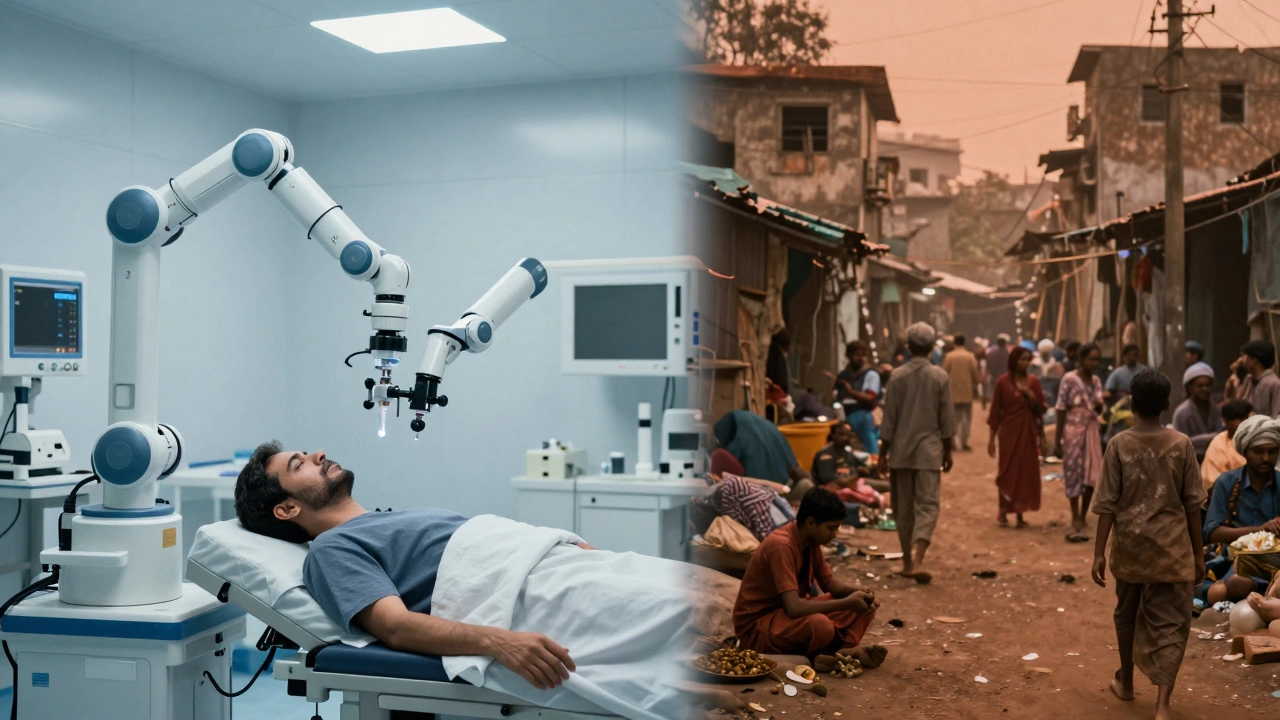
Beyond physical harm, nanotechnology raises profound ethical questions. One major issue is the "digital divide" becoming a "nano-divide." Advanced nanomedicine could extend life expectancy and cure diseases, but only for those who can afford it. If nanotech-based healthcare becomes prohibitively expensive, it will exacerbate global inequality. Wealthy nations might enjoy centuries-long lifespans while poorer regions struggle with basic sanitation.
There is also the risk of unintended consequences in genetic engineering. Nanobots designed to edit DNA or target specific cells could malfunction. A single error in a self-replicating nanodevice could lead to uncontrolled proliferation, though this scenario is currently more science fiction than reality, the theoretical risk demands rigorous oversight.
Military applications are another dark corner. Nanomaterials can be used to create more efficient explosives, stealth technologies, and surveillance tools. The miniaturization of sensors allows for pervasive monitoring, threatening privacy rights on a scale previously unimaginable. Who controls these technologies? And how do we prevent their misuse?
Regulatory Gaps: Why Current Laws Aren't Enough
Here is the crux of the problem: our regulatory frameworks are outdated. Agencies like the EPA in the US or ECHA in Europe regulate chemicals based on their chemical identity. Under current laws, a block of silver and a nanoparticle of silver are often treated as the same substance. This is scientifically incorrect. The toxicity profile changes drastically at the nanoscale.
In 2026, some progress has been made. The European Union’s REACH regulation has begun requiring separate registrations for nanomaterials. However, enforcement is patchy. Many companies still bury nano-specific data in generic safety sheets. Consumers have no way of knowing if their sunscreen or toothpaste contains nanoparticles unless they read microscopic ingredient lists, which is impossible.
We need a new paradigm: "Nano-Specific Regulation." This would require:
- Mandatory Labeling: Products containing engineered nanoparticles must clearly state this on packaging.
- Specific Testing Protocols: Toxicity tests must account for particle size, shape, and surface charge, not just chemical composition.
- Life-Cycle Assessment: Manufacturers must prove the safety of disposal and recycling processes before market entry.
How to Protect Yourself Today
You don’t need to panic, but you should be informed. Here are practical steps to minimize your exposure to potentially harmful nanomaterials:
- Choose Mineral Sunscreens Wisely: Look for "non-nano" titanium dioxide or zinc oxide. These larger particles sit on top of the skin rather than absorbing into it.
- Ventilate Your Home: If you use cleaning products with antibacterial claims, ensure good airflow. Avoid spraying aerosols indoors if possible.
- Check Clothing Labels: Be cautious with "odor-resistant" or "antimicrobial" clothing, especially if worn next to the skin for long periods. Wash these garments frequently to remove loose nanoparticles.
- Support Transparency: Buy from brands that disclose their use of nanomaterials. Consumer pressure drives corporate accountability.
The Path Forward: Responsible Innovation
Nanotechnology is not inherently evil. Its potential to clean water, deliver drugs precisely to tumors, and create lightweight, strong materials is immense. The goal is not to stop innovation but to steer it safely. We need interdisciplinary collaboration between scientists, ethicists, policymakers, and the public.
Green nanotechnology offers a promising alternative. This approach designs nanomaterials that are biodegradable and non-toxic by default. Instead of using toxic heavy metals in quantum dots, researchers are developing carbon-based alternatives that break down harmlessly in the environment. Investing in green nanotech ensures that the benefits outweigh the risks.
As we move further into the 2020s, the conversation must shift from "Can we do it?" to "Should we do it, and how do we do it safely?" By acknowledging the negative impacts now, we can build safeguards that protect both human health and the planet. Ignorance is not bliss when dealing with invisible threats. Awareness is our best defense.
Are nanoparticles in sunscreen dangerous?
Most research suggests that non-nano zinc oxide and titanium dioxide are safe for topical use. However, nano-sized particles can potentially penetrate damaged skin. To be safe, choose sunscreens labeled "non-nano" or "physical blockers," which sit on the skin's surface rather than absorbing into it.
Can nanotechnology cause cancer?
Some nanomaterials, particularly carbon nanotubes and certain metal oxides, have shown carcinogenic potential in animal studies when inhaled in large quantities. The risk to consumers from finished products is considered low, but occupational exposure remains a significant concern. Long-term human studies are still ongoing.
How do nanoparticles affect the environment?
Nanoparticles can accumulate in soil and water, harming microorganisms, plants, and aquatic life. They may disrupt ecosystems by altering nutrient cycles and biomagnifying up the food chain. Current wastewater treatment plants often fail to filter them out effectively.
Is there a difference between natural and engineered nanoparticles?
Yes. Natural nanoparticles occur in volcanic ash, sea spray, and forest fires. Engineered nanoparticles are manufactured with specific shapes, sizes, and surface charges to enhance reactivity. Engineered particles often pose higher risks due to their uniformity and persistence in the environment.
What regulations exist for nanotechnology safety?
Regulations vary by region. The EU’s REACH regulation requires separate assessment for nanomaterials. In the US, the EPA has issued guidelines, but mandatory labeling is not yet widespread globally. Many experts argue that current laws are insufficient and call for nano-specific testing and disclosure requirements.