Biotechnology Risk & Benefit Analyzer
Explore the complex trade-offs of biotechnological applications based on ethical, environmental, and economic factors.
Biotechnology promises a future where diseases are cured before they start, crops never fail, and industrial waste disappears. It sounds like science fiction turned reality. But every powerful tool has a shadow side. When we manipulate the building blocks of life to suit our needs, we open doors that cannot always be closed. The question isn't just what biotechnology can do for us, but what it might cost us in return.
We often hear about the breakthroughs-the mRNA vaccines, the drought-resistant maize, the lab-grown meat. These are real achievements. Yet, focusing only on the benefits ignores serious challenges. From ethical dilemmas to ecological risks, the disadvantages of biotechnology are complex and deeply interconnected. Understanding these downsides is not about stopping progress; it's about steering it safely.
Ethical Dilemmas in Genetic Engineering
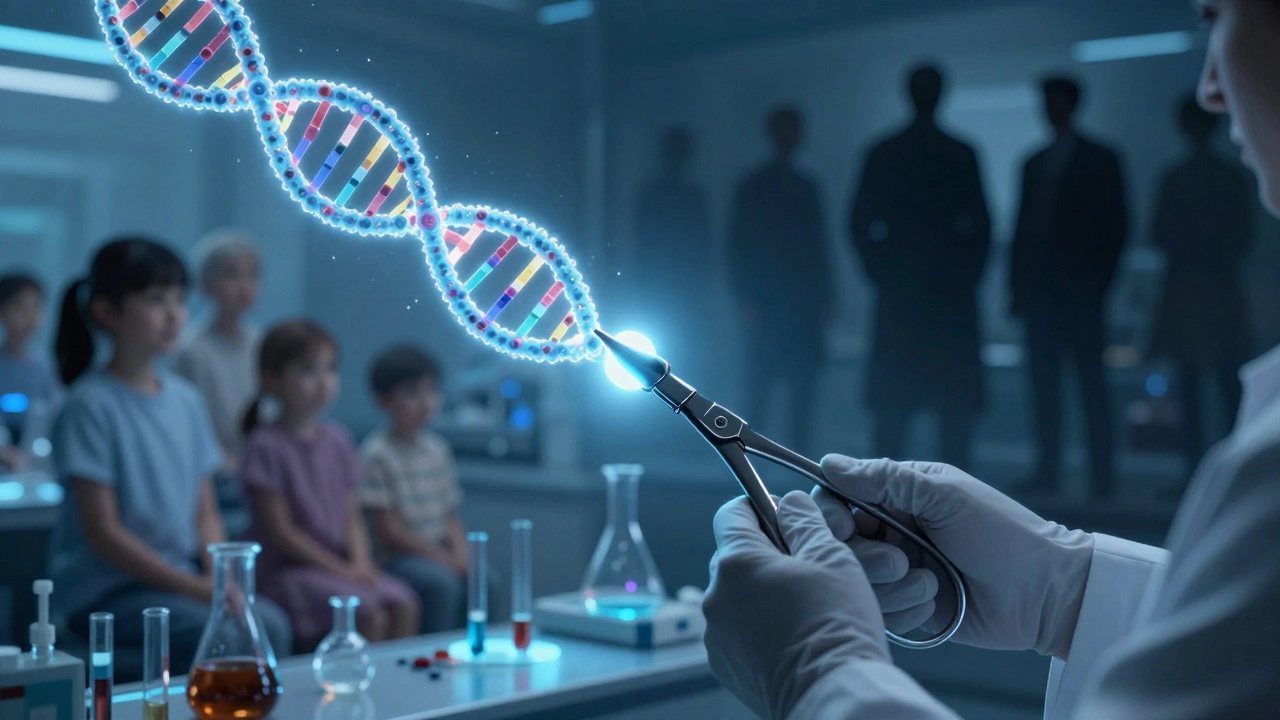
The most immediate concern with modern biotechnology lies in ethics. We have moved from treating diseases to editing human DNA. This shift raises profound questions about identity, consent, and equality. The technology known as CRISPR-Cas9 allows scientists to cut and paste genes with unprecedented precision. While this holds promise for curing sickle cell anemia or cystic fibrosis, it also enables non-therapeutic enhancements.
Imagine a world where parents can select not just health traits, but intelligence, height, or eye color. This concept, often called "designer babies," creates a slippery slope. If genetic enhancement becomes available, it will likely be expensive. Only the wealthy could afford to give their children a biological head start. This would cement social inequality into our very DNA, creating a genetic caste system that persists for generations.
Furthermore, there is the issue of consent. An embryo cannot consent to having its genome altered. Decisions made today affect not just the individual, but all their descendants. Who has the right to make such permanent changes to the human gene pool? Current regulations vary wildly across countries, leading to "genetic tourism" where people travel to jurisdictions with lax laws to undergo prohibited procedures. This lack of global consensus makes ethical oversight nearly impossible.
Environmental Risks and Ecological Disruption
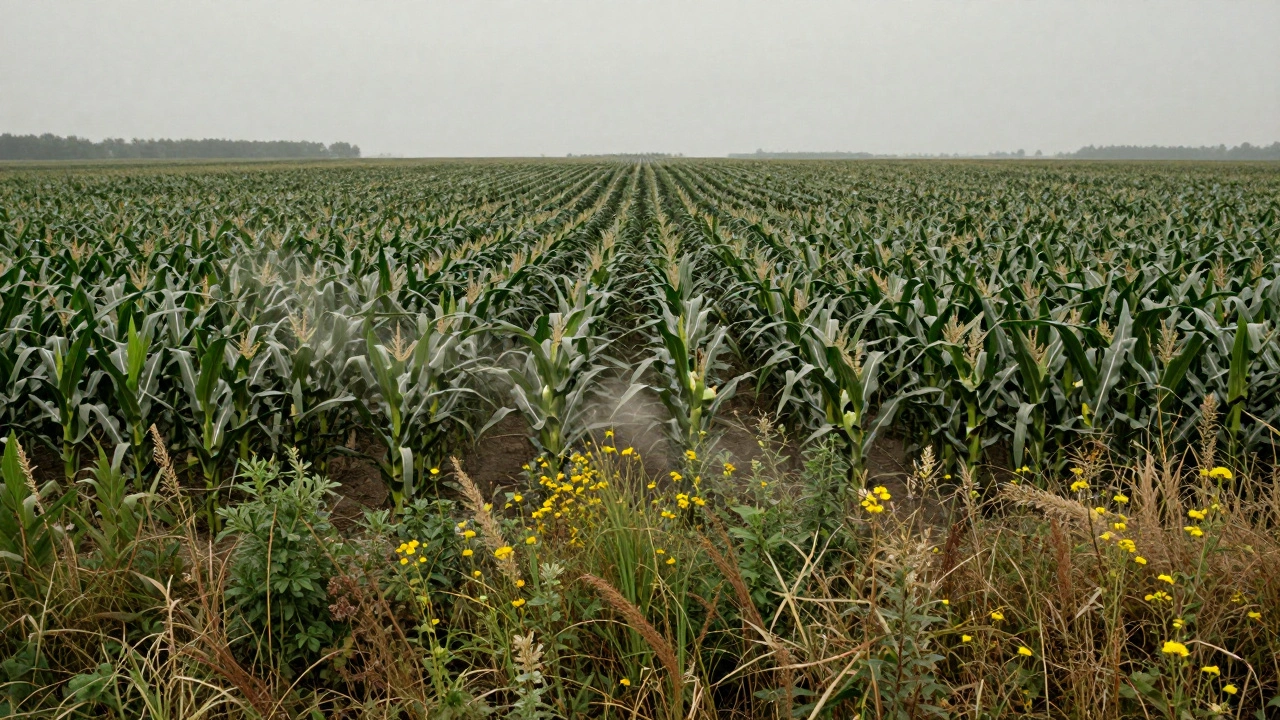
When genetically modified organisms (GMOs) enter the environment, the consequences can be unpredictable. Agricultural biotechnology aims to increase yield and reduce pesticide use. However, nature rarely follows linear plans. One major risk is gene flow. Pollen from GM crops can drift miles away, crossing with wild relatives or organic farms. Once a modified gene spreads into a wild population, it cannot be recalled.
Consider the case of herbicide-resistant crops. Farmers plant corn or soybeans engineered to survive specific weedkillers. Over time, weeds evolve resistance to those chemicals, forcing farmers to use stronger, more toxic herbicides. This creates a chemical arms race that harms soil health and water quality. In some regions, biodiversity has plummeted because monocultures of GM crops replace diverse native plants, depriving pollinators and other wildlife of habitat.
There is also the danger of accidental release. Research labs work with pathogens that could be weakened for study but might mutate back into dangerous forms. A containment breach, whether due to error or sabotage, could release agents capable of causing epidemics. The stakes are higher now than ever before, as synthetic biology allows researchers to construct novel viruses from scratch, blurring the line between natural and artificial threats.
| Application Area | Primary Benefit | Key Disadvantage/Risk |
|---|---|---|
| Agricultural GMOs | Higher crop yields, pest resistance | Gene flow to wild species, superweeds |
| Human Gene Editing | Curing hereditary diseases | Off-target mutations, ethical inequality |
| Synthetic Biology | Custom microbes for fuel/plastics | Unintended ecological release |
| Pharmaceutical Biotech | Targeted cancer therapies | High costs, limited accessibility |
Economic Inequality and Patent Issues
Biotechnology is big business, and profit motives often clash with public good. Many life-saving drugs and seeds are protected by strict patents. This means companies hold exclusive rights to sell them, allowing them to set high prices. For patients needing specialized enzyme therapies or farmers relying on patented seeds, these costs can be prohibitive. In developing nations, this gap is even wider, leaving millions without access to treatments that exist but are unaffordable.
The patenting of life itself is another controversial aspect. Companies can patent genes, microorganisms, and even plant varieties. Critics argue this commodifies nature and restricts scientific collaboration. Small-scale farmers may face legal action if their fields accidentally contain patented genes, a phenomenon known as "genetic contamination." This forces farmers to buy new seeds every season instead of saving them, trapping them in cycles of debt and dependency on large corporations.
Moreover, the concentration of power in a few multinational biotech firms reduces competition. With fewer players in the market, innovation can slow down as companies prioritize incremental improvements over risky, transformative research. This consolidation threatens food security and healthcare resilience, making societies vulnerable to supply chain disruptions or corporate decisions.
Biosafety and Biosecurity Threats
As biotechnology tools become cheaper and easier to use, the risk of misuse increases. Dual-use research-studies that can benefit society but also be weaponized-is a growing concern. Gain-of-function experiments, which enhance pathogens' transmissibility or virulence to understand pandemics, carry inherent risks. If such enhanced strains escape labs, they could trigger outbreaks far worse than natural ones.
Bioterrorism is another nightmare scenario. Unlike nuclear weapons, which require massive infrastructure, biological agents can be produced in small, hidden facilities. Synthetic DNA services allow anyone to order custom genetic sequences online. Without robust screening, malicious actors could reconstruct viruses like smallpox or Ebola. The democratization of biotech tools means that safety protocols must keep pace with technological accessibility, a challenge that governments struggle to meet.
Even unintentional accidents pose significant threats. Labs handling dangerous pathogens operate under strict containment levels, but human error happens. Equipment failures, improper disposal, or inadequate training can lead to leaks. The global nature of trade and travel means a localized spill could quickly become an international crisis. Ensuring universal biosafety standards remains a logistical and political hurdle.
Long-Term Health Unknowns
While many biotech products undergo rigorous testing, long-term effects remain uncertain. Genetically modified foods have been consumed for decades, yet debates continue about potential allergenicity or nutritional changes. Some studies suggest that altering plant genomes might inadvertently increase levels of natural toxins or reduce antioxidant content. Without longitudinal data spanning generations, we cannot fully rule out subtle health impacts.
In medicine, gene therapies offer hope but carry risks. Viral vectors used to deliver corrected genes can trigger immune reactions or insert themselves into wrong locations in the genome, potentially causing cancer. Early trials saw tragic outcomes when patients developed leukemia due to unintended gene activation. Although techniques have improved, the possibility of off-target effects persists, requiring lifelong monitoring for treated individuals.
Microbiome manipulation is another frontier with unknowns. Probiotics and fecal transplants aim to restore gut health, but introducing foreign bacteria can disrupt delicate microbial ecosystems. The gut microbiome influences everything from digestion to mental health, so unintended shifts could have cascading effects on overall well-being. We are still learning how these interventions interact with host genetics and environment.
Navigating the Future Responsibly
Acknowledging the disadvantages of biotechnology does not mean rejecting it. Instead, it calls for smarter regulation, transparent research, and inclusive dialogue. We need international frameworks that address ethical boundaries while fostering innovation. Public engagement is crucial-decisions about genetic editing or GMOs should involve communities affected by them, not just scientists and executives.
Investment in biosafety infrastructure must match investment in discovery. Training programs should emphasize responsibility alongside technical skill. Open-source initiatives can help democratize access to tools, reducing monopolistic control. By balancing ambition with caution, we can harness biotechnology’s power without sacrificing our values or safety.
The path forward requires vigilance. As we stand on the brink of editing human embryos or releasing self-replicating microbes, we must ask not just "can we?" but "should we?" The answers will shape not only our present but the legacy we leave for future generations. Biotechnology is a mirror reflecting our hopes and fears; let us ensure it shows the best of humanity.
What are the biggest ethical concerns with biotechnology?
The primary ethical concerns include the creation of "designer babies" through germline editing, which could exacerbate social inequality by making genetic enhancements available only to the wealthy. There is also the issue of consent, as future generations cannot agree to genetic modifications made to their ancestors. Additionally, patenting life forms raises moral questions about ownership of natural processes.
How does biotechnology harm the environment?
Biotechnology can harm the environment through gene flow, where modified genes spread to wild plants, potentially creating invasive superweeds. Monoculture farming of GM crops reduces biodiversity, affecting pollinators and soil health. Furthermore, the increased use of herbicides associated with resistant crops can contaminate water sources and damage ecosystems.
Is biotechnology safe for human health?
Most approved biotech products are considered safe, but long-term risks remain unclear. Gene therapies can cause off-target mutations leading to cancer, and GM foods may introduce new allergens. While short-term studies show safety, the absence of multi-generational data means some potential health impacts are still theoretical but possible.
What is dual-use research in biotechnology?
Dual-use research refers to scientific work that has both beneficial applications, such as developing vaccines, and potential misuse, such as creating biological weapons. Gain-of-function studies that make pathogens more transmissible fall into this category, raising biosecurity concerns about accidental or intentional release.
Why are patents on genes controversial?
Patents on genes are controversial because they allow companies to monopolize natural biological materials, restricting access for other researchers and increasing costs for patients and farmers. Critics argue that life should not be owned, and that such patents hinder scientific progress and equity, particularly in developing countries.