Global Health Threats Quiz
You wake up feeling fine, but somewhere in the background, a silent war is being fought. It’s not against a virus or a bacteria you can see under a microscope. It’s against your own lifestyle, your environment, and sometimes, your mind. When we ask what are the 3 biggest health problems, we aren't just looking for a list of scary diseases. We are looking for the root causes that drain our energy, shorten our lives, and strain our wallets.
Here is the hard truth: infectious diseases like flu or malaria still matter, especially in developing regions. But globally, the landscape has shifted. The top three threats today are non-communicable diseases (NCDs), mental health disorders, and the rising crisis of antimicrobial resistance. These aren't abstract concepts from a medical journal. They are real issues affecting billions of people right now. Let’s break them down so you know exactly what to watch out for.
The Silent Killer: Cardiovascular Disease
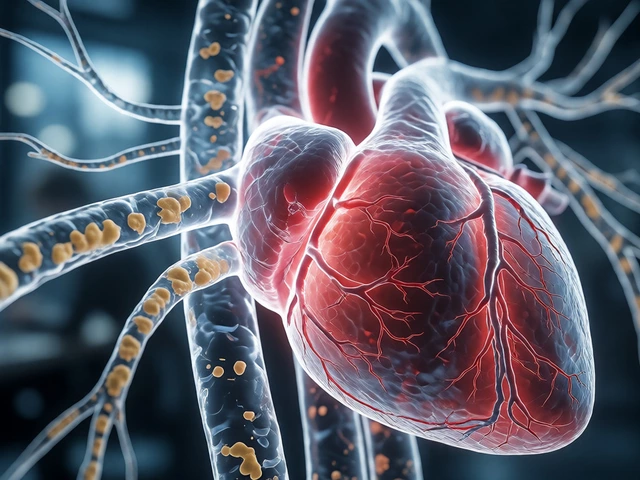
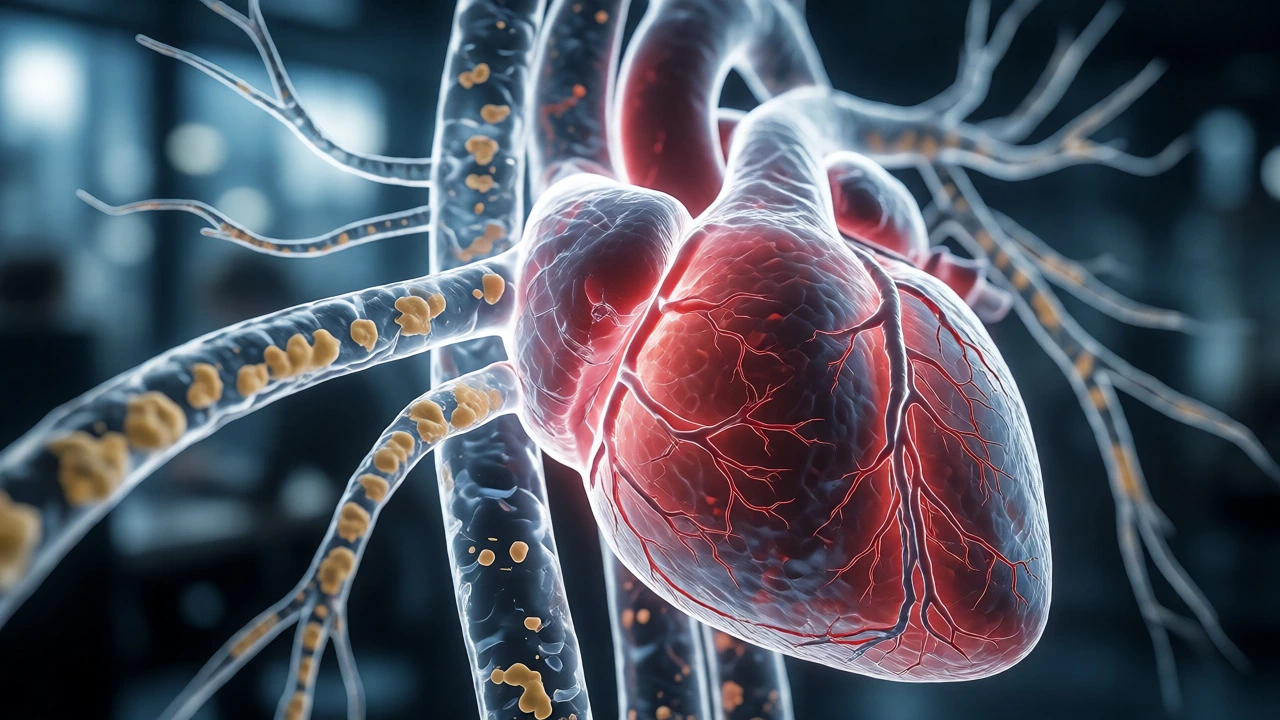
If there is one entity that dominates global mortality charts, it is Cardiovascular Disease (CVD). This isn't just about heart attacks. It includes strokes, heart failure, and peripheral artery disease. According to the World Health Organization, CVD remains the leading cause of death worldwide, claiming nearly 18 million lives every year. That’s more than cancer, respiratory diseases, and diabetes combined.
Why is this happening? It’s largely because of how we live. High blood pressure, high cholesterol, smoking, and physical inactivity are the primary drivers. Think about your daily routine. Do you sit at a desk for eight hours? Do you eat processed foods loaded with sodium? These habits silently damage your arteries over decades. By the time symptoms appear, the damage is often severe.
The good news is that most cardiovascular diseases are preventable. You don’t need a gym membership to start. Walking briskly for 30 minutes a day can lower your risk significantly. Cutting back on salt and sugar does wonders for your blood pressure. It’s not about perfection; it’s about consistency. If you have a family history of heart issues, regular check-ups become even more critical. Early detection saves lives.
The Invisible Epidemic: Mental Health Disorders
We used to think mental health was a luxury problem-something only rich countries worried about. That idea is dead wrong. Mental Health Disorders, including depression, anxiety, and bipolar disorder, affect over 970 million people globally. Depression alone is a leading cause of disability worldwide.
What makes mental health such a massive problem is the stigma. People hide their struggles because they fear judgment. In many cultures, admitting you feel overwhelmed or sad is seen as weakness. This silence leads to delayed treatment. By the time someone seeks help, their condition might have worsened, affecting their job, relationships, and physical health.
There is also a direct link between mental and physical health. Chronic stress raises cortisol levels, which increases blood pressure and weakens the immune system. So, ignoring your mental state can actually trigger heart problems. Therapy, medication, and lifestyle changes like better sleep and mindfulness can make a huge difference. The key is recognizing that mental health is health. Period.

The Future Threat: Antimicrobial Resistance
This one might sound technical, but it affects everyone. Antimicrobial Resistance (AMR) happens when bacteria, viruses, fungi, and parasites change over time and no longer respond to medicines. Antibiotics, once miracle drugs, are losing their power. Common infections like pneumonia or tuberculosis are becoming harder-and sometimes impossible-to treat.
How did we get here? Mostly through overuse. People take antibiotics for viral colds where they do nothing. Farmers use antibiotics in livestock to promote growth, not just to treat sickness. This constant exposure allows resistant strains to survive and multiply. The result is "superbugs" that standard drugs can’t kill.
Without effective antibiotics, routine surgeries like C-sections or hip replacements become risky. Chemotherapy becomes dangerous because patients can’t fight off secondary infections. The solution requires action from everyone. Don’t demand antibiotics for a common cold. Finish your prescribed course if you do need them. Support policies that reduce antibiotic misuse in agriculture. It’s a collective effort to save these life-saving tools.
| Health Problem | Primary Cause | Global Impact | Prevention Strategy |
|---|---|---|---|
| Cardiovascular Disease | Lifestyle factors (diet, inactivity, smoking) | ~18 million deaths/year | Healthy diet, exercise, quitting tobacco |
| Mental Health Disorders | Biochemical imbalance, social isolation, trauma | Leading cause of disability | Therapy, community support, early screening |
| Antimicrobial Resistance | Overuse/misuse of antibiotics | Potential return to pre-antibiotic era | Rational drug use, hygiene, vaccination |

Interconnectedness: How These Problems Feed Each Other
These three problems don’t exist in silos. They feed into each other. Poor mental health can lead to poor lifestyle choices, increasing the risk of cardiovascular disease. Stress weakens the immune system, making individuals more susceptible to infections. If those infections require antibiotics, and AMR is present, treatment fails, leading to further complications.
Consider a patient with depression who stops exercising due to lack of motivation. Their weight increases, raising blood pressure. They catch a minor infection, but because of widespread AMR, standard antibiotics fail. The prolonged illness worsens their mental state. It’s a vicious cycle. Addressing one aspect often helps mitigate the others. Integrated healthcare approaches that treat the whole person, not just the symptom, are crucial.
What Can You Do Right Now?
You don’t need to wait for government policy changes to improve your health. Here are practical steps:
- Move Daily: Aim for 150 minutes of moderate activity per week. It doesn’t have to be intense. Brisk walking counts.
- Eat Whole Foods: Reduce processed meats and sugary drinks. Add more vegetables and fruits to your plate.
- Check Your Numbers: Know your blood pressure and cholesterol levels. Annual check-ups are non-negotiable after age 40.
- Talk About Feelings: Break the stigma. If you feel anxious or depressed, talk to a friend or a professional.
- Use Meds Wisely: Never share antibiotics. Take them only when prescribed by a doctor.
Health isn’t just the absence of disease. It’s a state of complete physical, mental, and social well-being. By understanding these three major threats, you gain control. You stop reacting to crises and start preventing them. That shift in mindset is the first step toward a healthier future.
Why are non-communicable diseases considered bigger threats than infectious diseases?
While infectious diseases grab headlines during pandemics, non-communicable diseases (NCDs) like heart disease and cancer cause far more deaths annually. NCDs account for 74% of all global deaths. They develop slowly over years, driven by lifestyle factors, making them persistent and costly to manage compared to acute infections.
Is mental health really a global health problem?
Yes. The WHO estimates that nearly 1 billion people live with a mental disorder. Depression is a leading cause of disability worldwide. The economic burden is massive due to lost productivity and increased healthcare costs. Stigma prevents many from seeking help, worsening the impact on families and communities.
What is antimicrobial resistance in simple terms?
Antimicrobial resistance (AMR) occurs when germs like bacteria and fungi develop the ability to defeat the drugs designed to kill them. This means infections get harder to treat, increasing the risk of disease spread, severe illness, and death. It threatens modern medicine's ability to handle common infections.
Can lifestyle changes reverse cardiovascular risks?
Significant improvements are possible. Studies show that adopting a healthy diet, exercising regularly, maintaining a healthy weight, and not smoking can reduce cardiovascular risk by up to 80%. While genetic factors play a role, lifestyle choices are powerful modifiers of heart health.
How does stress affect physical health?
Chronic stress triggers the release of cortisol and adrenaline. Over time, this raises blood pressure, increases blood sugar levels, and suppresses the immune system. This physiological response contributes directly to heart disease, diabetes, and susceptibility to infections, linking mental and physical health closely.