Public Health Initiative Assessment Tool
Assess Your Public Health Initiative
This tool helps you evaluate if your public health initiative has the key components for success. Enter your initiative details below and check the boxes for each criterion.
A public health initiative isn’t just a slogan on a poster or a flyer handed out at a clinic. It’s a planned, organized effort to improve the health of entire communities - not just individuals. These efforts target the root causes of illness, not just the symptoms. Think clean water, safe sidewalks, school lunch programs, or free vaccine clinics. They’re not optional extras. They’re the reason life expectancy in the U.S. rose by 30 years in the 20th century.
How Public Health Initiatives Are Different From Regular Healthcare
When you go to the doctor for a sore throat, that’s healthcare. It’s personal. It’s one patient, one provider, one treatment. A public health initiative works at the population level. It asks: Why are so many people getting sore throats in the first place? Is it air pollution? Poor nutrition? Lack of access to care?
Public health initiatives don’t wait for people to get sick. They try to stop illness before it starts. That’s why they focus on things like:
- Getting fluoride into drinking water to prevent tooth decay
- Passing laws that ban smoking in restaurants
- Running school programs that teach kids how to eat healthy
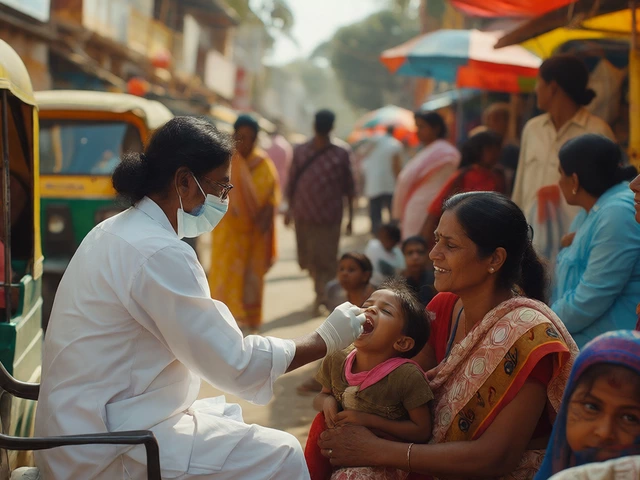
- Providing free HIV testing in high-risk neighborhoods
These aren’t treatments. They’re prevention. And they save more lives - and more money - than treating diseases after they spread.
What Makes a Good Public Health Initiative?
Not every health campaign works. Some fail because they’re too vague, too expensive, or don’t understand the community they’re trying to help. A strong public health initiative has four key parts:
- Clear goal: Not ‘improve health’ - but ‘reduce childhood obesity by 15% in five years’.
- Science-backed: It’s based on data, not guesswork. For example, studies show that sugar-sweetened beverage taxes reduce consumption by 20-30% in cities that use them.
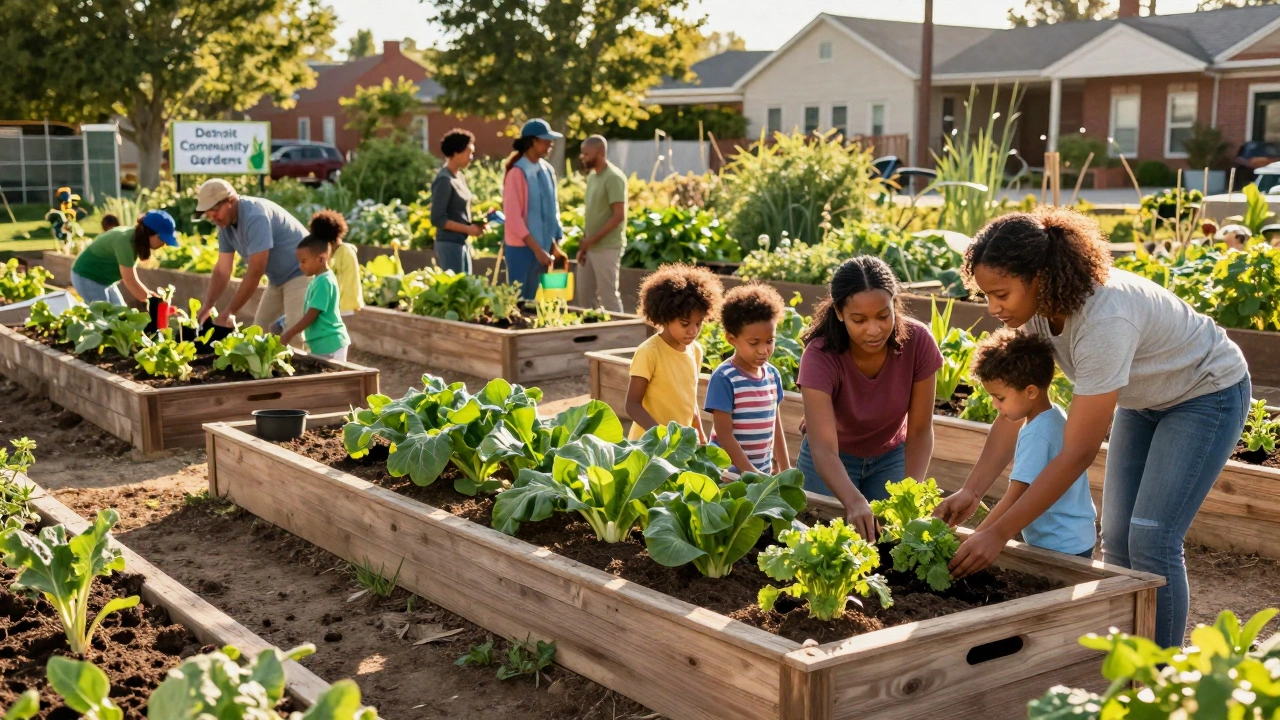
- Community involvement: People are more likely to change habits if they helped design the solution. In Detroit, residents helped design a program that turned empty lots into community gardens. Fruit and vegetable intake rose by 40% in two years.
- Sustainable funding: Many programs die when grants run out. The best ones get built into city budgets or school systems so they last.
Real Examples That Actually Worked
Let’s look at three public health initiatives that changed lives - not just in theory, but in real neighborhoods.
1. New York City’s Trans Fat Ban (2006)
Before 2006, restaurants in New York could serve fried foods cooked in trans fats - the kind linked to heart disease. The city banned them. Within six years, hospital visits for heart attacks and strokes dropped by 6%. That’s tens of thousands of people avoided serious illness.
2. Rwanda’s Community Health Worker Program
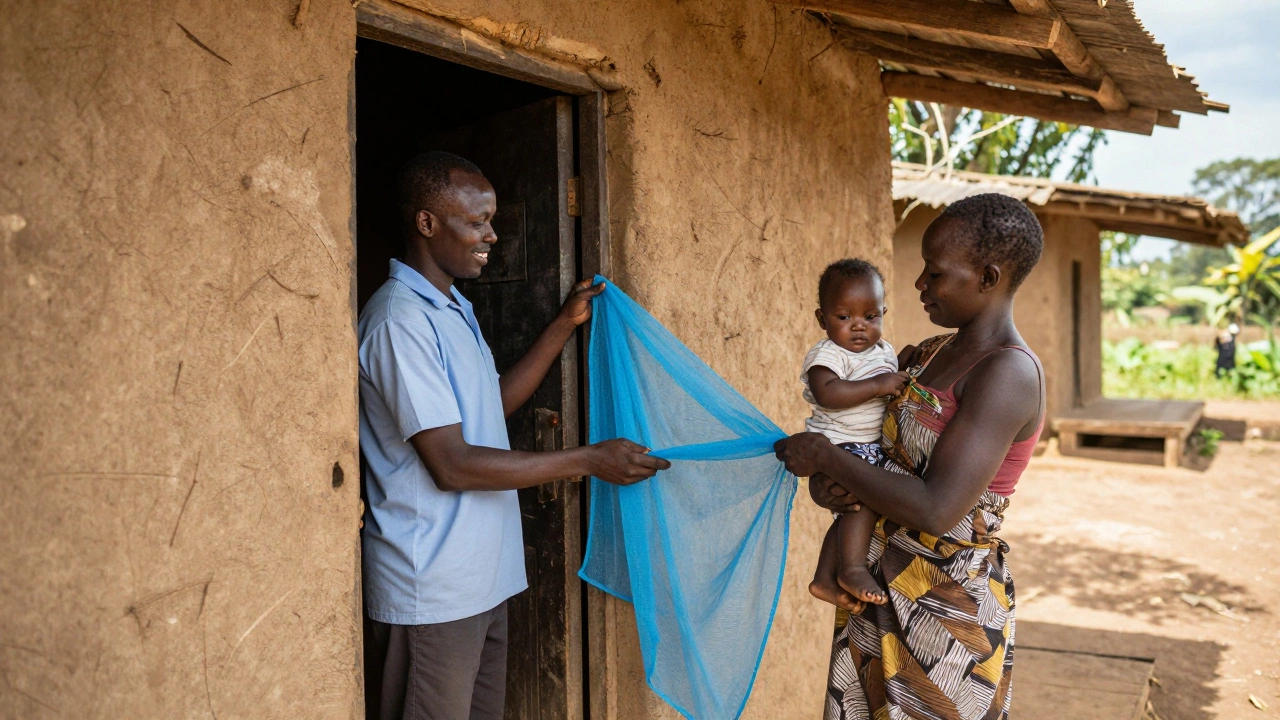
After the 1994 genocide, Rwanda’s health system was destroyed. Instead of building big hospitals, they trained 45,000 local volunteers - mostly women - to go door-to-door. These workers gave out malaria nets, checked on pregnant women, and taught families how to clean water. Within 10 years, child mortality dropped by 60%. It’s one of the most successful public health stories in modern history.
3. The U.S. Smoking Cessation Campaign (1964-2020)
In 1964, 42% of American adults smoked. Today, it’s under 12%. That shift didn’t happen because doctors told people to quit. It happened because of public health initiatives: warning labels on packs, advertising bans, smoke-free laws, and tax hikes that made cigarettes more expensive. The CDC estimates that over 8 million lives were saved because of these efforts.
Who Runs These Initiatives?
You might think public health is all about the federal government. But it’s actually a team effort.
- Local health departments run most day-to-day programs - like immunization drives, food safety inspections, and teen pregnancy prevention.
- State agencies set rules for things like school nutrition standards and clean air laws.
- The CDC and WHO provide data, funding, and guidelines, but they don’t run local clinics.
- Nonprofits and community groups often fill gaps. For example, the American Lung Association runs quit-smoking hotlines and youth education programs.
What ties them all together? They all use the same tools: data, policy, education, and access.
Why Do Some Public Health Initiatives Fail?
Even the best ideas can flop if they ignore human behavior or politics.
Take the ‘War on Drugs’ in the 1980s. It was framed as a public health effort, but it focused on punishment, not prevention. Addiction rates didn’t drop. Incarceration rates soared. Meanwhile, harm reduction programs - like needle exchanges - were blocked by politics, even though they cut HIV transmission by 80% in cities that tried them.
Another common mistake? Assuming everyone has the same needs. A program that works in a wealthy suburb might fail in a low-income neighborhood if it doesn’t account for things like transportation, work hours, or language barriers. The most successful initiatives don’t just offer solutions - they ask people what they need.
How You Can Support Public Health Initiatives
You don’t need to be a doctor or a politician to help. Here’s how everyday people make a difference:
- Vote for leaders who fund clean water, parks, and school health programs.
- Join local meetings where health plans are discussed. Your voice matters.
- Volunteer with food banks, vaccination drives, or youth mentoring programs.
- Share accurate info. If you see a false claim about vaccines or masks, correct it calmly with facts from trusted sources like your local health department.
Public health isn’t about saving the world. It’s about making your block, your town, your school a little safer every day. And it works - if you’re part of it.
What’s Next for Public Health?
The biggest challenges today aren’t just about germs. They’re about inequality. People in poor neighborhoods die younger, not because they’re careless - but because they live near highways with bad air, work two jobs with no health insurance, and can’t afford fresh food.
Future public health initiatives will need to tackle these deeper issues. That means working with housing agencies, transportation planners, and schools - not just doctors. It means using data to find where health gaps are widest, and targeting resources there.
Climate change is also reshaping public health. Heatwaves kill more people than hurricanes. Air pollution causes asthma in kids. These aren’t just environmental problems - they’re health emergencies.
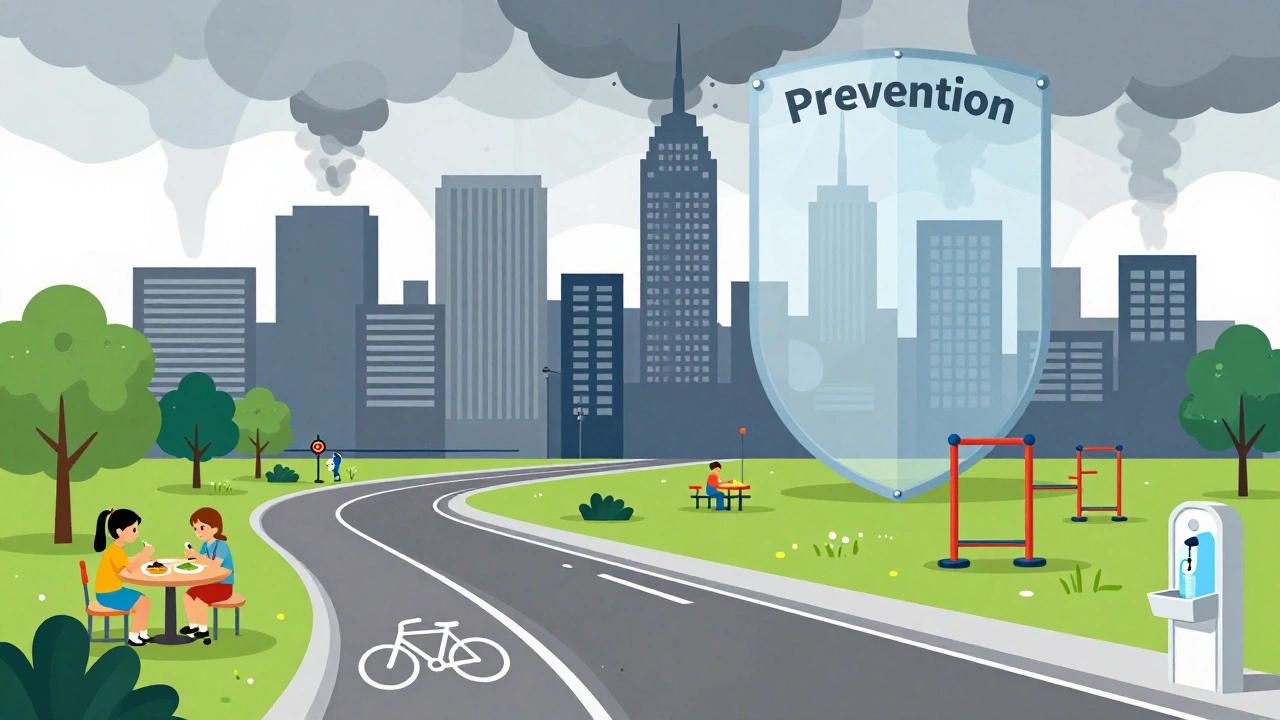
The next big public health win won’t come from a new drug. It’ll come from a city deciding to build more bike lanes. Or a school serving breakfast to every student. Or a state making mental health care free and easy to find.
What’s an example of a public health initiative?
A public health initiative could be adding fluoride to drinking water to prevent tooth decay, banning smoking in public places, or running free vaccination clinics in underserved neighborhoods. These are large-scale efforts designed to improve health for entire communities, not just individuals.
How do public health initiatives differ from medical care?
Medical care treats individual patients - like giving you antibiotics for an infection. Public health initiatives prevent illness before it happens - like making sure clean water is available to everyone, so fewer people get sick in the first place. One is reactive; the other is proactive.
Who funds public health initiatives?
Funding comes from multiple sources: local and state governments, federal agencies like the CDC, private foundations (like the Robert Wood Johnson Foundation), and sometimes nonprofit organizations. The most sustainable programs get built into regular city or school budgets so they don’t disappear when grants end.
Why do some public health programs fail?
Many fail because they’re designed without input from the people they’re meant to help. Others lack funding, rely on short-term grants, or ignore cultural or economic realities. For example, a program that asks people to eat more vegetables won’t work if fresh food isn’t available or affordable in their neighborhood.
Can one person make a difference in public health?
Yes. Voting for leaders who support health funding, volunteering at local clinics, sharing accurate health info, or even just advocating for safer sidewalks in your neighborhood all contribute. Public health is built by communities - not just experts.
Public health initiatives are the quiet heroes of modern life. You don’t hear about them in the news unless they fail. But when they work - when kids stop getting asthma from dirty air, when fewer people die from preventable diseases, when communities have clean water and safe food - that’s when life gets better for everyone.