Clinical Researcher Timeline Calculator
Estimate Your Career Path
Enter your current education level and career goal to see how long it will take you to become a clinical researcher.
Estimated Timeline
Based on typical educational requirements and industry standards in India. Actual timelines may vary based on experience and location.
Career Path Details
- Step 1: Complete your bachelor's degree (3-4 years)
- Step 2: Specialized training through a PG diploma (6-12 months)
- Step 3: Entry-level position and certification (6-12 months)
- Step 4: Gain experience and advance (2-5 years)
Tips for Faster Progress
Start with a PG diploma that includes internships. Get certified early. Apply for entry-level roles even if you feel underqualified. Your first step matters more than your starting position.
Want to become a clinical researcher? You’re not alone. More people than ever are turning to clinical research as a career-not just for the pay, but because it lets you directly impact patient outcomes, drug development, and medical progress. But here’s the real question: how long does it take to become a clinical researcher? The answer isn’t a single number. It depends on your starting point, your goals, and where you’re located. Let’s break it down step by step, with real timelines you can use to plan your path.
What Exactly Does a Clinical Researcher Do?
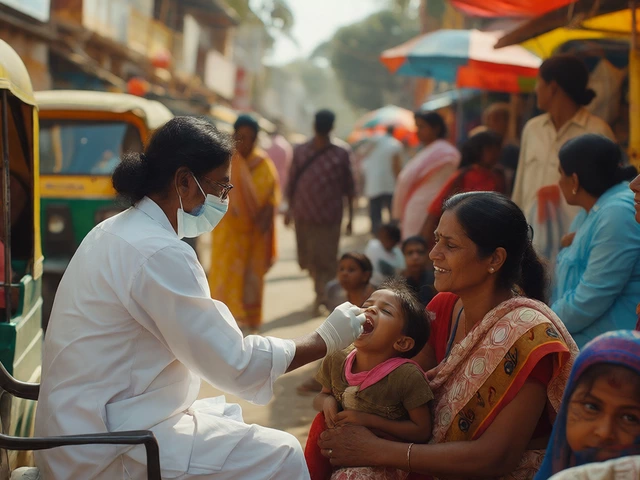
A clinical researcher doesn’t just work in a lab. They design, manage, and analyze studies that test new drugs, medical devices, or treatment protocols in humans. They work closely with doctors, nurses, data analysts, and regulatory teams. Their job? To answer one critical question: Is this treatment safe and effective?
They’re the ones who make sure a new cancer drug isn’t just promising on paper-it actually works in real patients. They track side effects, monitor dosages, and ensure every step follows ethical and legal rules. This isn’t guesswork. It’s science under strict guidelines from agencies like the FDA (U.S.), EMA (Europe), or CDSCO (India).
Step 1: The Educational Foundation
Most clinical researchers start with a bachelor’s degree. The most common paths? Biology, chemistry, biochemistry, pharmacy, or nursing. Some come from psychology or public health backgrounds too.
If you’re in India and you finish your 12th grade with science, you’ll typically spend 3-4 years on a B.Sc. or B.Pharm. That’s your baseline. Without this, you won’t get past the entry door.
But here’s the catch: a bachelor’s alone won’t make you a clinical researcher. You need more. Most employers-hospitals, pharma companies, contract research organizations (CROs)-require at least a master’s degree. That means another 2 years. So far? 5-6 years after high school.
Step 2: Specialized Training
Now you’ve got your master’s. Maybe in Clinical Research, Pharmacovigilance, or Public Health. But you still need hands-on skills. This is where formal training programs come in.
Many universities and private institutes in India offer 6-month to 1-year postgraduate diplomas in Clinical Research. These aren’t just theory. They include modules on Good Clinical Practice (GCP), regulatory documentation, case report forms, and ethics committees. Some even include internships at hospitals or CROs.
These programs are the bridge between classroom learning and real-world work. If you skip this, you’ll struggle to land your first job. Companies don’t hire people who’ve only read about trials-they hire people who’ve seen them in action.
Step 3: Entry-Level Jobs and Certification
After your diploma, you’re ready for roles like Clinical Research Coordinator (CRC), Research Associate, or Data Entry Officer. These are the starting positions. You won’t be designing trials yet. You’ll be managing patient visits, collecting data, or filing documents.
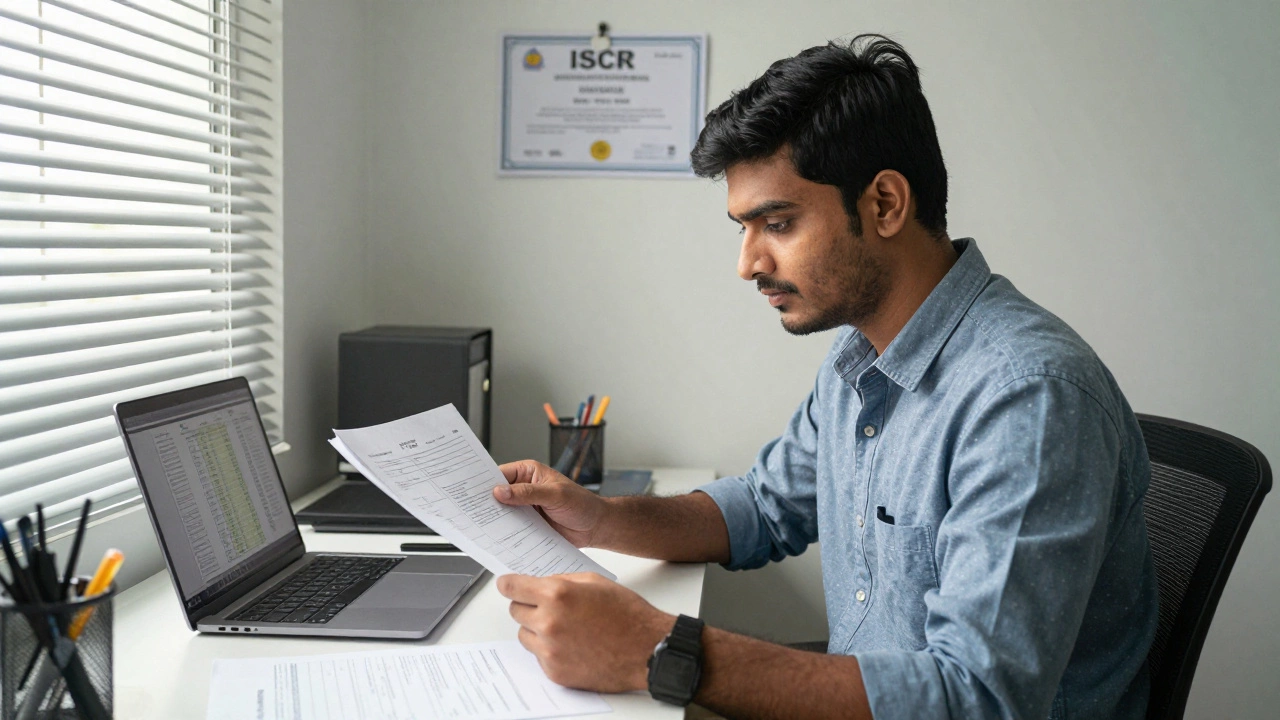
But here’s what most people don’t realize: certification matters. The Association of Clinical Research Professionals (ACRP) offers the Certified Clinical Research Professional (CCRP) credential. In India, the Indian Society of Clinical Research (ISCR) also offers certifications. These aren’t mandatory-but they give you a serious edge.
Most people take 6-12 months to prepare for and pass these exams. So now you’re looking at 6-8 years after high school just to get your first real job in the field.
Step 4: Moving Up the Ladder
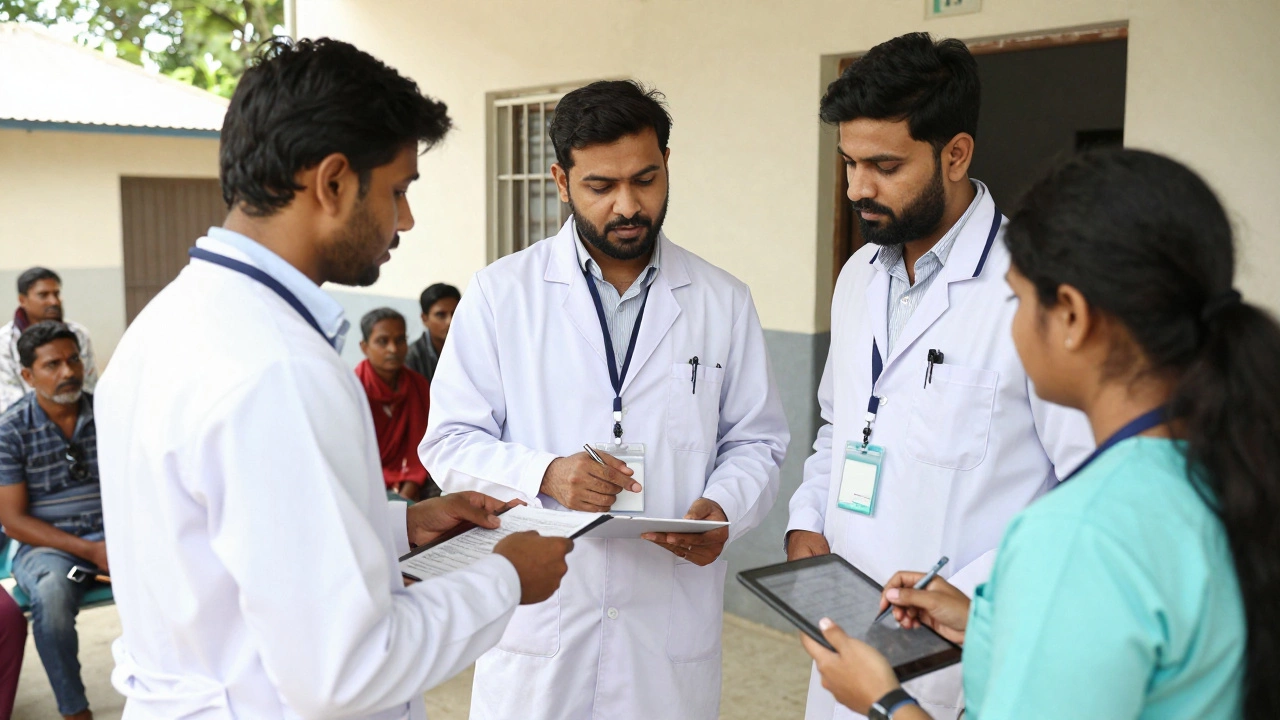
Once you’re in the field, you start gaining experience. After 2-3 years as a coordinator, you might become a Clinical Research Associate (CRA). CRAs visit trial sites to check that everything’s being done right. This is where you start traveling-hospitals in Pune, Chennai, or even rural sites in Madhya Pradesh.
After another 3-5 years, you can move into project management. That’s when you lead entire trials. You’re budgeting, hiring teams, coordinating with regulators. This is where salaries jump significantly.
Some people go further: PhD in Clinical Research, or an MD with research focus. That adds another 3-5 years. But you don’t need it. Many top clinical researchers never got a PhD. What they had? Experience, certifications, and a track record of successful trials.
Real Timelines: What You Can Expect
Let’s make this concrete. Here are three common paths:
- Fastest Path (5-6 years): B.Sc. in Life Sciences → PG Diploma in Clinical Research → Entry-level job at a CRO. You’re working in trials by age 23-24.
- Standard Path (7-8 years): B.Pharm → M.Sc. in Clinical Research → Certification (CCRP) → CRA role. You’re managing sites by age 26-27.
- Advanced Path (10+ years): MBBS → MD in Pharmacology → PhD in Clinical Trials → Lead investigator. You’re designing trials for global pharma by age 30+.
There’s no single right path. The key is consistency. Many people quit after their bachelor’s because they think they need a PhD. They don’t. Others wait years for the "perfect" job. They miss opportunities.
Where the Real Time Gets Lost
Here’s what slows people down-without them even realizing it:
- Waiting for "perfect" internships. You don’t need one at a top hospital. Even a small clinic with a trial gives you experience.
- Skipping certification. Many think "I’ll do it later." Later never comes.
- Not learning regulatory documents. If you can’t read an ICH-GCP guideline, you won’t get past the interview.
- Staying in one city. Clinical research is nationwide. If you’re only looking in Bangalore, you’re missing opportunities in Hyderabad, Delhi, or even Lucknow.
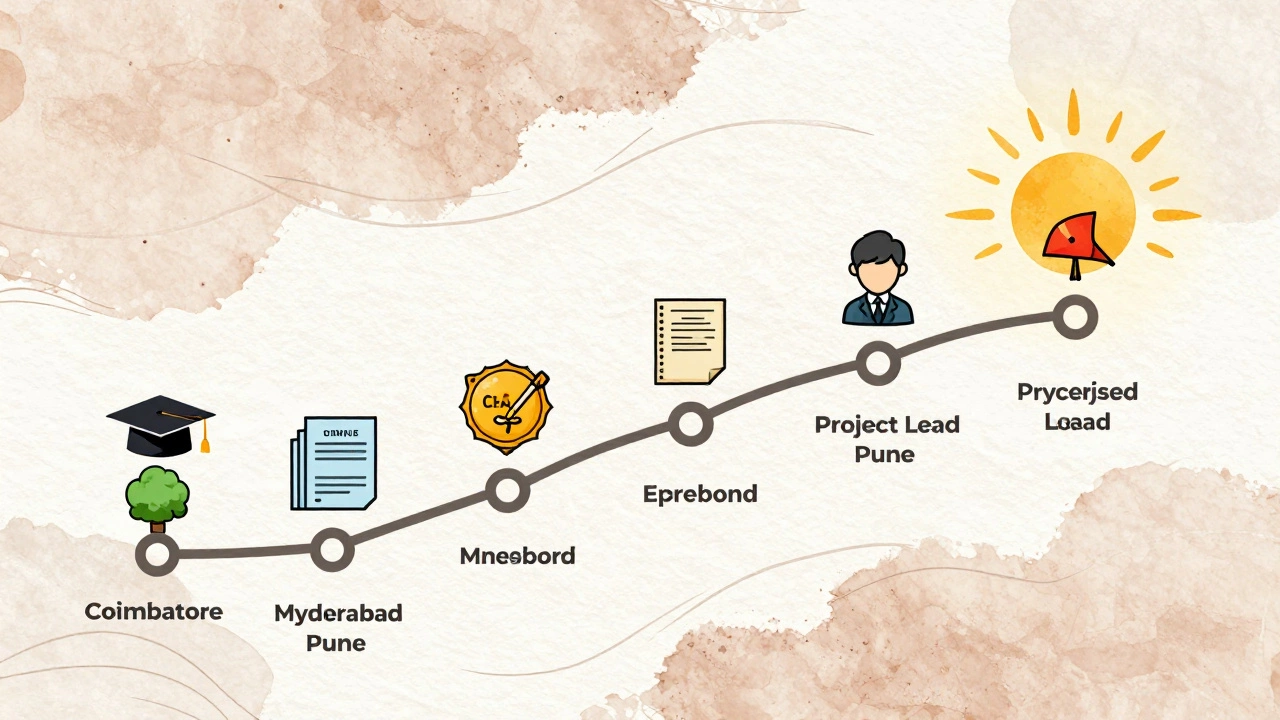
One person I know started as a lab assistant in a private hospital in Coimbatore. She took a 6-month diploma online while working. Within 18 months, she was a CRA. Now she leads trials for a multinational company. No PhD. No fancy degree. Just persistence.
What You Need to Do Right Now
If you’re serious, here’s your action plan:
- Finish your bachelor’s in a life science field. Don’t delay.
- Enroll in a PG diploma in Clinical Research. Look for one with a mandatory internship.
- Get certified. Start with ACRP or ISCR. It costs less than ₹15,000 and pays for itself.
- Apply for entry-level roles even if you feel underqualified. Experience beats perfection.
- Learn to read regulatory documents. Start with ICH-GCP E6(R3). It’s free online.
You don’t need to be a genius. You need to be consistent. Clinical research isn’t about being the smartest person in the room. It’s about being the most reliable.
Final Reality Check
So, how long does it take? If you start right now:
- Minimum: 5 years (if you move fast and don’t look back)
- Typical: 7-8 years (most people)
- Advanced: 10+ years (if you aim for leadership or academia)
There’s no shortcut. But there’s also no mystery. Every clinical researcher you admire started exactly where you are now-with a question, a degree, and a plan. The only difference? They started.
Can I become a clinical researcher without a medical degree?
Yes, absolutely. Most clinical researchers don’t have an MBBS. They come from pharmacy, biology, nursing, or even data science backgrounds. What matters is your training in Good Clinical Practice (GCP), regulatory knowledge, and hands-on experience with clinical trials. Many entry-level roles specifically hire non-medical graduates.
Is clinical research a good career in India?
Yes, especially with India’s growing role in global clinical trials. The country now hosts over 1,000 active trials annually. Entry-level salaries start at ₹3-4 lakhs per year. With 3-5 years of experience, you can earn ₹8-12 lakhs. Senior roles in multinational CROs pay ₹15-25 lakhs or more. Demand is high, and the sector is expanding.
Do I need to move abroad to advance my career?
No. While international experience helps, India has a thriving clinical research ecosystem. Companies like Syneos Health, IQVIA, and Medpace have large operations here. Many Indian researchers lead global trials from Bangalore, Hyderabad, or Pune. You can build a strong international career without leaving the country.
What’s the biggest mistake people make when starting out?
Waiting for the "perfect" job or degree. Many spend years trying to get into top hospitals or waiting for a PhD, while missing out on real entry-level roles. The best way to learn is by doing. Start with any role-even data entry-and build from there. Experience beats prestige.
How important is certification like CCRP?
Very. While not legally required, certification is a signal to employers that you know the standards. Companies in India and abroad prefer candidates with CCRP or equivalent. It shows you’ve studied GCP, ethics, and regulatory compliance. It’s often the difference between getting an interview and being passed over.
Next Steps
If you’re ready to begin, start with your current degree. Then, search for accredited PG diploma programs in clinical research. Look for ones that include internships. Join LinkedIn groups for clinical researchers in India. Reach out to people working in the field. Ask them how they started. Most will help.
You don’t need to be a doctor. You don’t need a PhD. You just need to start.