STEM Innovations in October 2025: Energy, Biotech, and Tech Trends
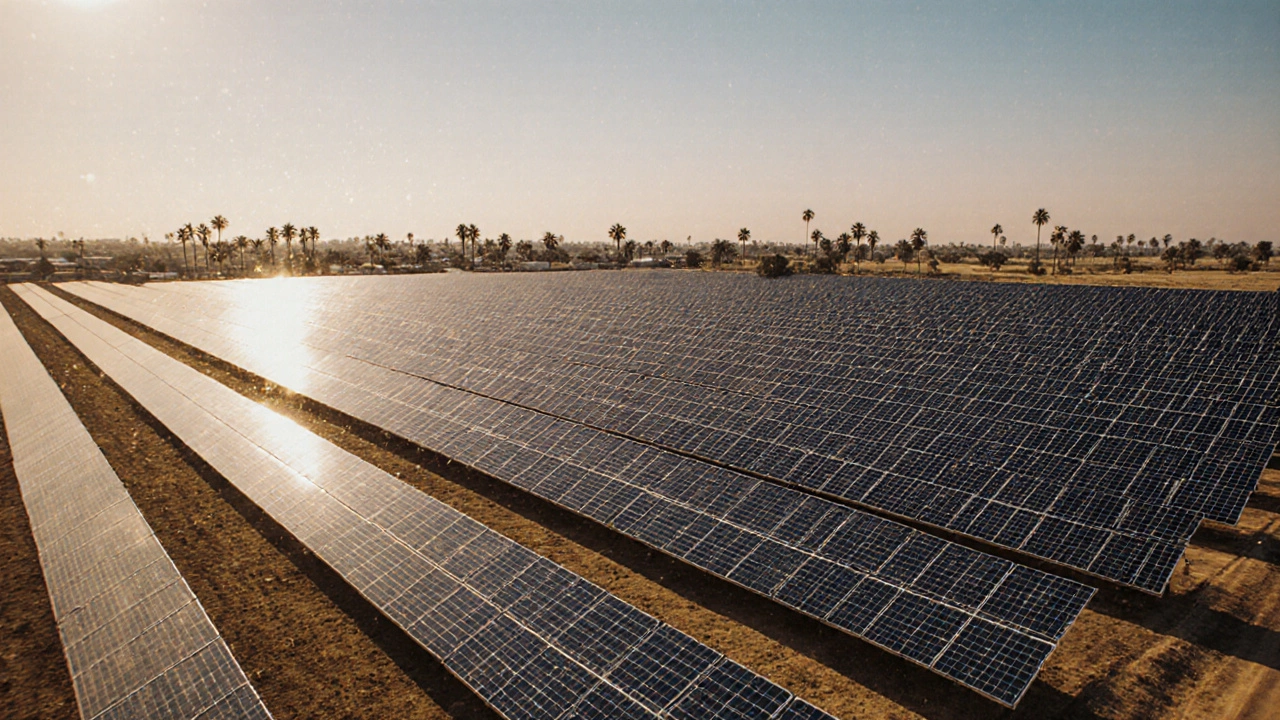
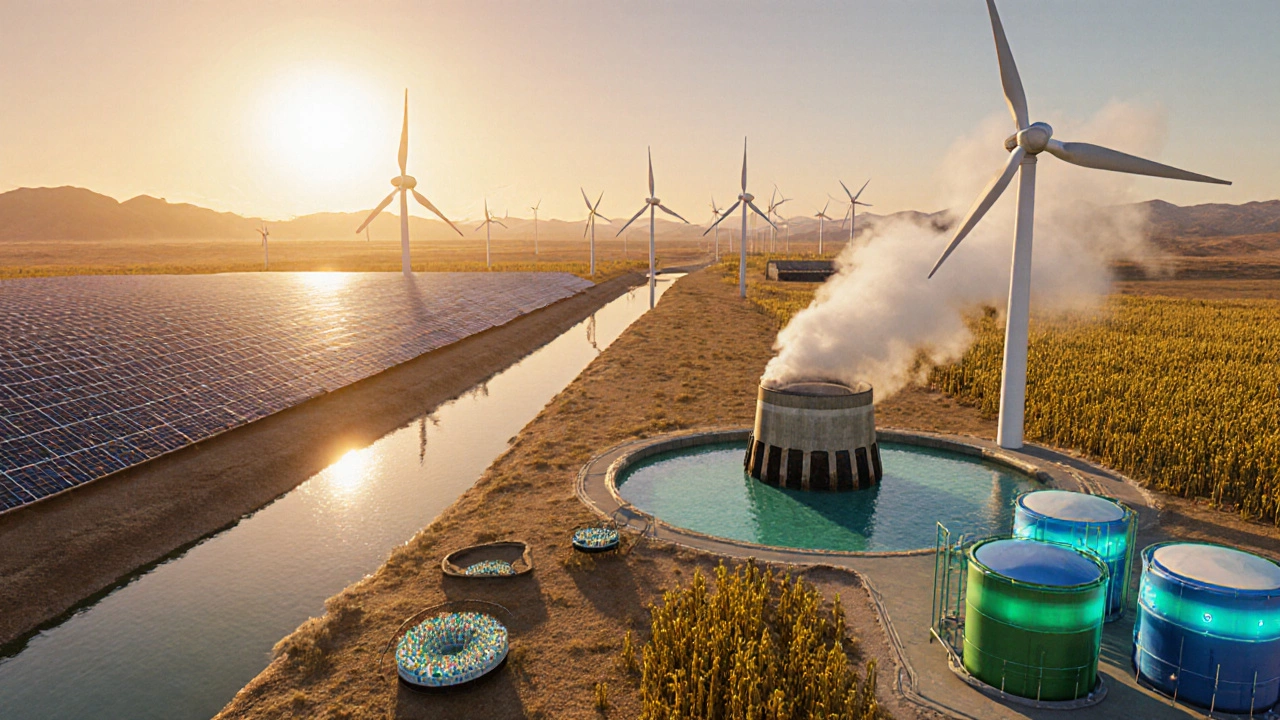
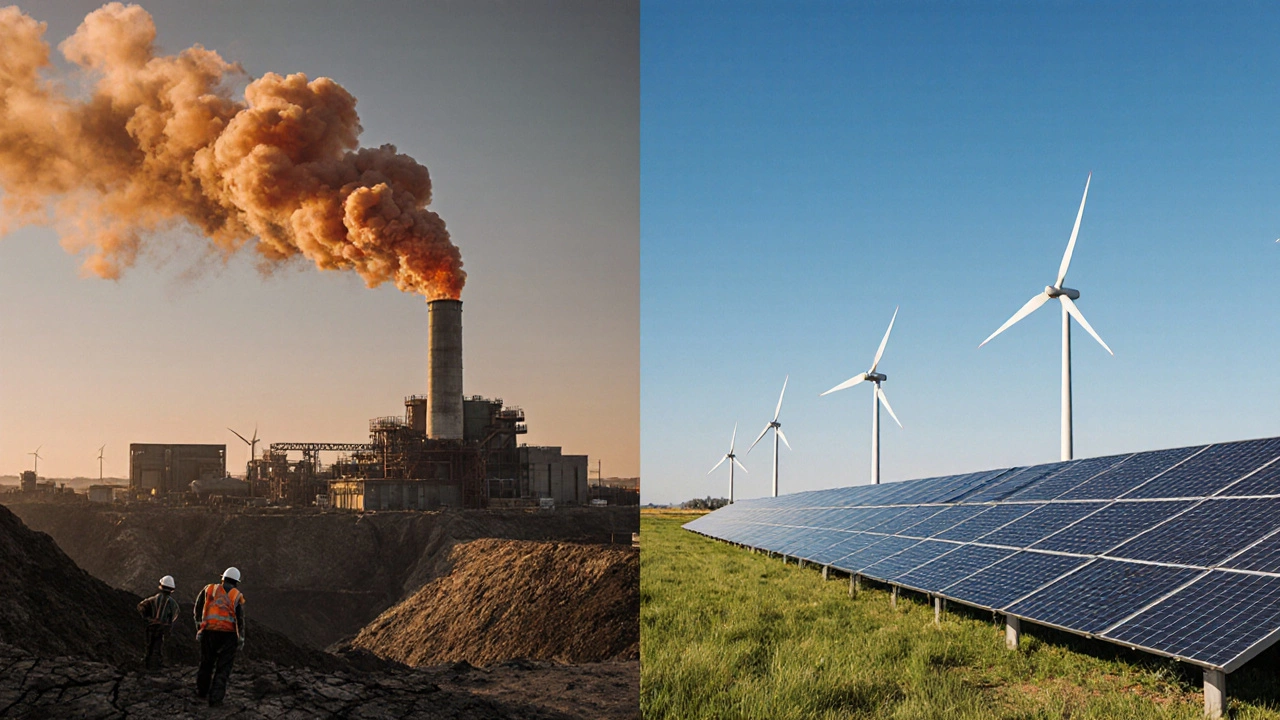
When we talk about STEM innovations, practical breakthroughs in science, technology, engineering, and math that solve real problems. Also known as scientific progress, it’s not just about labs—it’s about solar panels on village rooftops, AI tools helping doctors, and gene edits curing diseases in real time. In October 2025, India’s STEM scene didn’t just move forward—it jumped. The biggest driver? solar energy growth, the rapid expansion of solar power capacity driven by cheaper panels, better batteries, and smart government policies. Solar added more new capacity than wind, hydro, and fossil fuels combined. It’s not a future dream—it’s happening now in Tamil Nadu farms, Rajasthan villages, and Mumbai apartments.
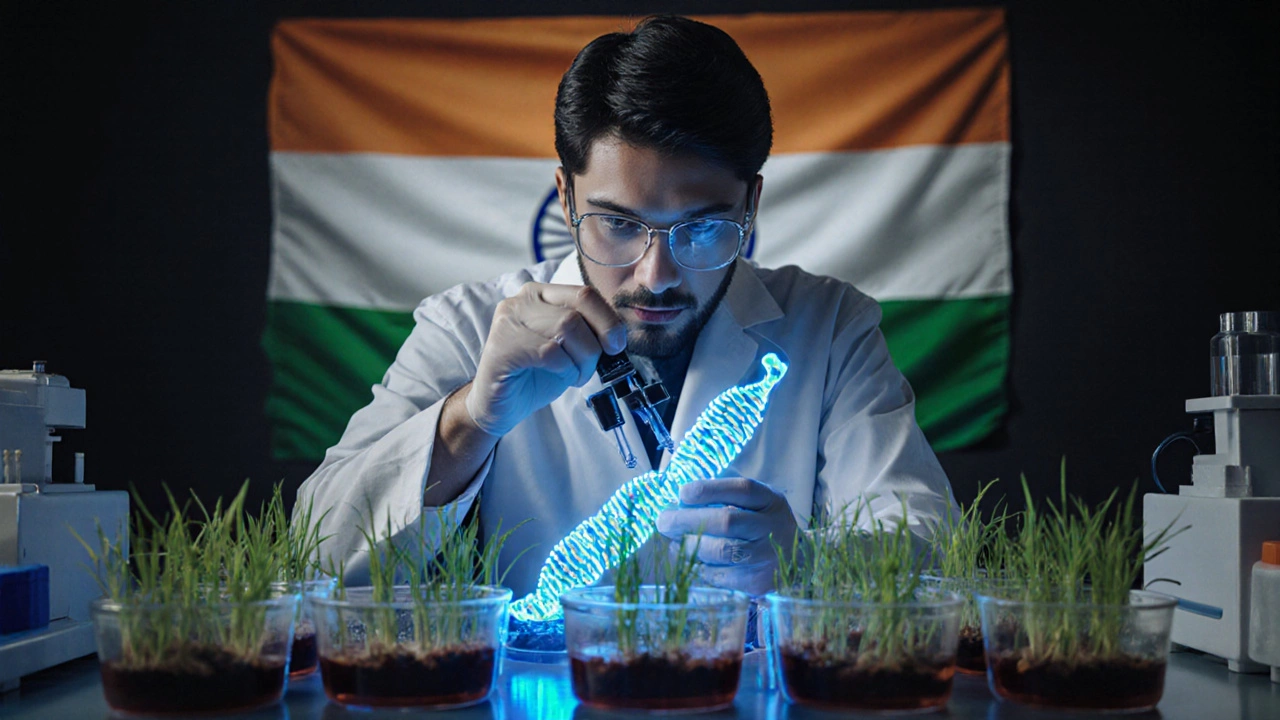
Behind that energy shift is another quiet revolution: biotechnology advancements, real-world applications of gene editing, mRNA vaccines, and lab-grown materials that are changing medicine and industry. CRISPR isn’t just in headlines—it’s being used to treat sickle cell patients in Hyderabad. mRNA cancer vaccines are in trials at IISc. And AI-designed drugs? They’re moving from whiteboards to pharmacies. These aren’t theoretical. They’re saving lives and cutting costs. Meanwhile, AI adoption, the widespread use of artificial intelligence in daily systems like healthcare, agriculture, and logistics. became the most popular technology in 2025—not because it’s flashy, but because it works. Farmers use it to predict crop yields. Hospitals use it to spot tumors early. Factories use it to cut waste. And it’s all built on open innovation, where universities, startups, and government labs share tools instead of hoarding them.
What you’ll find below isn’t a random list. It’s a snapshot of what moved India’s science and tech landscape in October 2025. From the least deadly energy sources to how farmers actually spend their days, from legal tech transfer rules to why the brain uses more power than your liver—every post answers a real question someone asked. No fluff. No hype. Just what’s working, who’s doing it, and why it matters. Whether you’re a student, researcher, or just curious, these are the stories shaping India’s future.