Climate Reversibility Simulator
Simulation Parameters
Reversal Outlook
Estimated Years to Return to Pre-Peak Levels
--
Years
Tipping Point Check:
Monitoring...
How This Works
Climate reversal isn't instant. Even if we stop emitting today, temperatures plateau for decades due to ocean heat absorption. To cool the planet, we must actively remove CO2. This simulator calculates how long it would take to lower temperatures from a projected peak back to current levels, based on your chosen annual carbon removal rate. Higher removal rates shorten the timeline but require massive energy or land resources. If the peak exceeds 2.0°C, irreversible tipping points (like ice sheet collapse) become highly likely, making full "reversal" of ecosystem damage impossible even if temperatures drop.
You’ve probably heard the phrase "too little, too late" thrown around more often than bad weather forecasts. But when it comes to climate change, is the damage actually permanent? Or can we hit undo? This isn’t just a philosophical debate; it’s a question of physics, economics, and political will. The short answer is uncomfortable but hopeful: we cannot reverse the past instantly, but we can stop the future from getting worse and potentially cool the planet down over decades.
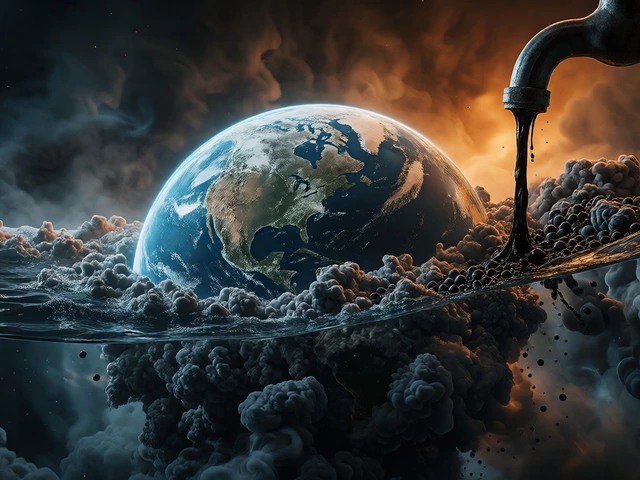
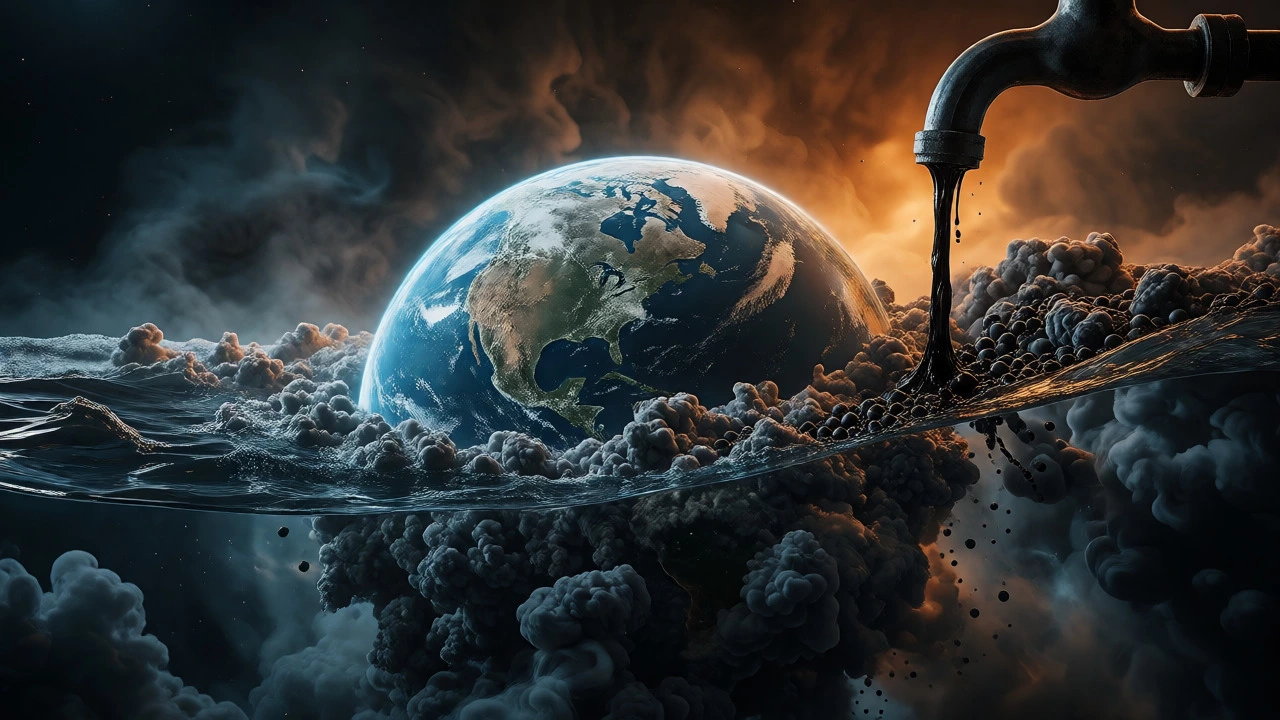
Think of Earth’s atmosphere like a bathtub that’s overflowing. Right now, we’re still turning on the tap (emitting greenhouse gases) while the drain is clogged (carbon sinks are saturated). To stop the overflow, you first have to turn off the tap. That means reaching net zero emissions. Then, to lower the water level, you need a pump to suck the water out. That’s where carbon removal technologies come in. The question isn't whether we can reverse it, but how fast and at what cost.
The Physics of Permanence vs. Reversibility
Here’s the hard truth about CO2: once it’s in the atmosphere, it stays there for centuries. Unlike local pollution that clears up after a rainstorm, carbon dioxide mixes globally and persists long-term. According to the Intergovernmental Panel on Climate Change (IPCC), even if we stopped all emissions today, temperatures wouldn’t drop immediately. They would plateau for decades because the oceans take time to absorb excess heat and carbon.
However, "plateau" doesn't mean "permanent disaster." If we aggressively remove CO2, we can draw the temperature curve back down. This concept is known as overshoot. We might go above 1.5°C or even 2°C of warming, but with sufficient negative emissions later, we can bring it back. The key variable here is time. Reversing warming takes much longer than causing it. It took us roughly 150 years of industrial activity to heat the planet by ~1.1°C. Unwinding that process could take another century or more.
Can We Actually Remove Carbon?
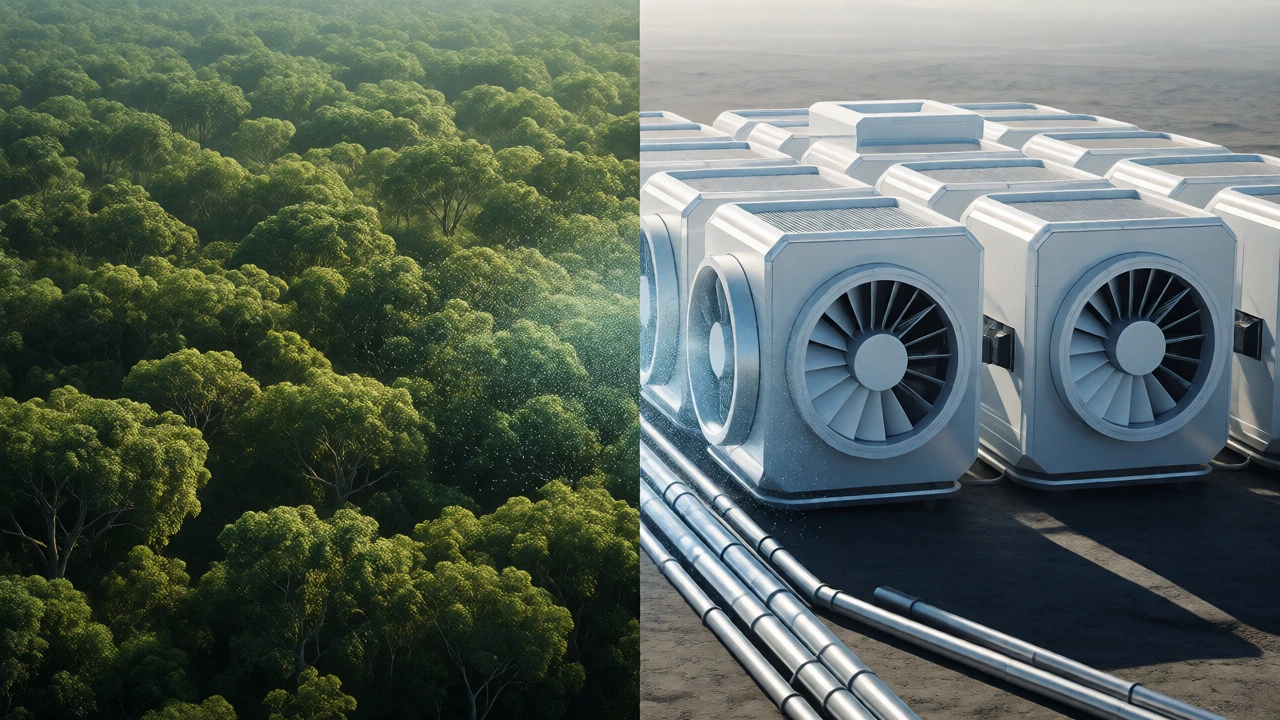
If stopping emissions is turning off the tap, removing carbon is mopping the floor. There are two main ways to do this: nature-based solutions and technological interventions. Neither is a silver bullet, but together they form our best bet.
Nature-Based Solutions rely on biological processes. Trees, soil, and oceans are natural carbon sinks. Reforestation and regenerative agriculture can pull significant amounts of CO2 out of the air. For example, restoring degraded forests can sequester gigatons of carbon annually. But there’s a limit. You can’t plant trees everywhere-some land is needed for food, cities, and biodiversity. Plus, forests are vulnerable to wildfires and droughts, which are becoming more frequent due to the very climate change we’re trying to fix.
Technological Interventions include Direct Air Capture (DAC) and Bioenergy with Carbon Capture and Storage (BECCS). DAC machines literally suck air through filters to trap CO2, which is then stored underground in geological formations. Companies like Climeworks are already operating small-scale plants, but scaling them up to global levels requires massive energy inputs and capital investment. Currently, removing one ton of CO2 via DAC costs between $600 and $1,000. To make a dent, we’d need to remove billions of tons per year. That’s an economic challenge as much as a technical one.
| Method | Cost per Ton (Est.) | Scalability | Permanence |
|---|---|---|---|
| Reforestation | $10 - $50 | Moderate (Land limited) | Medium (Risk of fire/disease) |
| Soil Sequestration | $20 - $80 | High (Agricultural land) | Low-Medium (Tillage releases it) |
| Direct Air Capture (DAC) | $600 - $1,000+ | Unlimited (Energy dependent) | High (Geological storage) |
| Ocean Alkalinity | $100 - $300 | Very High | High (Chemical stability) |
The Tipping Point Problem
Why does everyone panic about 1.5°C or 2°C? Because of tipping points. These are thresholds where small changes trigger large, irreversible shifts. Think of the West Antarctic Ice Sheet. Once melting starts beyond a certain point, it might continue regardless of what we do to emissions. Other examples include the collapse of the Amazon rainforest into savanna or the release of methane from thawing permafrost.
If we cross these lines, "reversing" climate change becomes nearly impossible on human timescales. You can’t easily refreeze an ice sheet or re-grow a rainforest ecosystem once it’s gone. So, while we can technically lower global temperatures later, we might not get back the specific ecosystems or coastal cities we lost along the way. This is why prevention is cheaper and safer than cure.

What Does "Reversal" Look Like in Practice?
Imagine a scenario where we hit peak emissions in 2030, reach net zero by 2050, and then spend the next 50 years pulling CO2 out of the atmosphere. By 2100, global temperatures might start to decline slowly. This path is called "temperature overshoot." It’s risky because we endure higher temperatures for longer, increasing suffering and damage. But it’s better than runaway warming.
To achieve this, three things must happen simultaneously:
- Rapid Decarbonization: Switching to renewable energy sources like solar, wind, and nuclear to stop adding new CO2.
- Massive Carbon Removal: Deploying both nature-based and tech-based solutions at scale.
- Adaptation: Building infrastructure to withstand the warmer world we’re already committed to.
This isn’t just about saving polar bears. It’s about protecting supply chains, insurance markets, and habitable zones for humans. A stable climate is a prerequisite for economic stability.
Is Hope Just Marketing?
Critics argue that talking about "reversal" gives corporations an excuse to keep polluting, betting on future tech to save them. They’re right to be skeptical. Current carbon removal tech is nowhere near the scale needed. But giving up isn’t an option either. Every fraction of a degree matters. Preventing 2.5°C of warming is significantly better than preventing 3.0°C, even if neither feels "normal" compared to pre-industrial times.
The narrative shouldn’t be "we can fix everything perfectly." It should be "we can minimize the damage." Reversing climate change isn’t about returning to the exact conditions of 1950. It’s about stabilizing the system so life can thrive again. And yes, that is possible-if we act now.
Can we reverse global warming completely?
Not completely in the sense of erasing all historical impacts. Some changes, like sea-level rise and species extinction, are effectively irreversible on human timescales. However, we can reduce global average temperatures by removing CO2 from the atmosphere, effectively reversing the warming trend over several decades.
How long does it take for CO2 to leave the atmosphere?
It varies. About 20-30% of emitted CO2 is absorbed by the ocean and land within the first few decades. The remaining portion stays in the atmosphere for hundreds to thousands of years. This is why immediate emission cuts are critical; waiting for natural absorption is too slow to prevent dangerous warming.
Is planting trees enough to solve climate change?
No. While trees are vital, they alone cannot offset current global emissions. There isn’t enough available land to plant enough trees to absorb all our fossil fuel emissions. Furthermore, trees can die and release their stored carbon back into the atmosphere due to fires, pests, or disease. A combination of emission reduction and diverse carbon removal strategies is required.
What is a climate tipping point?
A climate tipping point is a threshold where a small change causes a large, often irreversible shift in the climate system. Examples include the melting of major ice sheets, the dieback of the Amazon rainforest, or the disruption of ocean circulation patterns. Crossing these points can lead to self-perpetuating feedback loops that accelerate warming regardless of further human actions.
Does technology exist to remove carbon from the air?
Yes, technologies like Direct Air Capture (DAC) and Bioenergy with Carbon Capture and Storage (BECCS) exist and are operational. However, they are currently expensive and operate at a small scale compared to global emissions. Scaling these technologies rapidly requires significant policy support, investment, and renewable energy capacity.