Research Commercialization: Turning Indian Science into Real-World Impact
When scientists make a breakthrough, it doesn’t automatically change lives—research commercialization, the process of turning scientific discoveries into market-ready products or services. Also known as technology transfer, it’s what moves a lab result from a journal paper to a medicine in a pharmacy, a solar panel on a rooftop, or a diagnostic tool in a rural clinic. In India, this gap between discovery and delivery has been a quiet bottleneck. Thousands of papers get published every year, but how many actually reach the people who need them?
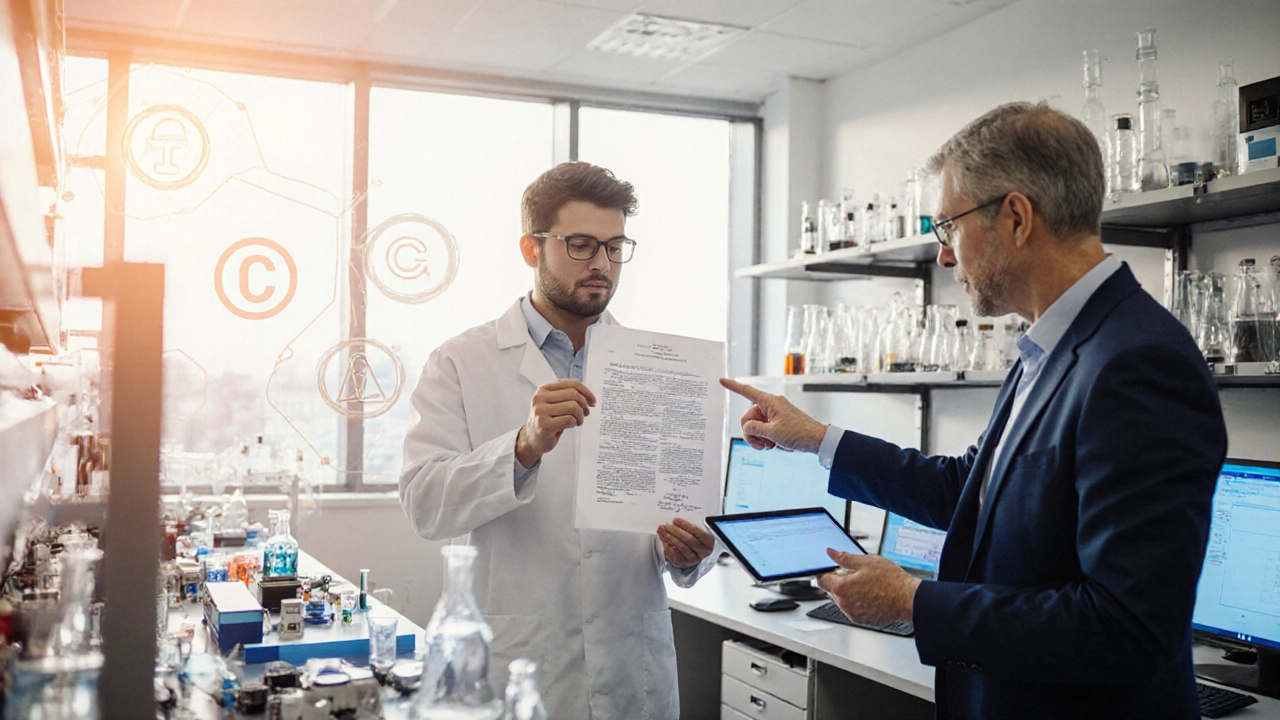
Innovation, the practical application of new ideas to solve real problems doesn’t happen in isolation. It needs funding, legal protection, business planning, and a path to customers. That’s where technology transfer, the structured process of moving research from universities and labs to industry comes in. Think of it as a bridge: researchers build the foundation, but without entrepreneurs, investors, and policy support, the bridge stays empty. In India, institutions like IITs, CSIR labs, and startup incubators are finally building those bridges—connecting PhDs with product teams, and patents with paychecks.
Research funding, the financial backbone that enables science to move beyond theory isn’t just about grants for experiments. It’s about funding that understands timelines, risks, and market needs. Too often, funding ends when the paper is published. But commercialization needs years of testing, scaling, and user feedback. That’s why startups born from Indian labs—like those turning biotech discoveries into affordable diagnostics or AI models into farm advisory tools—are so rare. They’re the exception, not the rule.
And then there’s the startup ecosystem, the network of investors, mentors, incubators, and regulators that help new ventures grow. It’s not just about money. It’s about mentors who’ve been through it, legal help for patents, and customers willing to try something new. India’s ecosystem is growing fast, but it’s still uneven. A breakthrough in Bengaluru might get traction quickly, while an equally strong discovery in Patna or Bhopal struggles to find even basic support.
What you’ll find here aren’t theoretical essays. These are real stories from across India: how a team turned a wastewater treatment method into a rural business, how a medical device moved from a university lab to a government health program, how a data scientist learned to talk to farmers instead of just algorithms. Some succeeded. Some failed. All of them teach you what actually works—and what doesn’t—when you try to turn science into something people pay for.