Public Health Campaign Explorer
Select a campaign category below to explore its core purpose, key strategies, and global impact.
Vaccination Drives
Preventing infectious diseases through mass immunization.
Tobacco Control
Making smoking socially unacceptable through shock tactics.
HIV/AIDS Awareness
Shifting from stigma to treatment and management.
Mental Health
Breaking the silence on anxiety and depression.
Nutrition & Lifestyle
Fighting non-communicable diseases via diet and exercise.
Vaccination Drives: The Heavy Hitters
Core Purpose
To distribute vaccines to children and adults to prevent infectious diseases, stopping outbreaks before they start.
Key Strategies
- Mass Mobilization: Door-to-door outreach combined with media advertising (e.g., Pulse Polio in India).
- Combating Hesitancy: Using social media influencers and local leaders to address trust issues and misinformation.
Real-World Example
Polio Eradication Initiative (1988): A massive global push that reduced wild poliovirus cases by over 99%.
Annual Deaths Prevented
Tobacco Control: Making Smoking Uncool
Core Purpose
To make smoking socially unacceptable rather than just informing about health risks.
Key Strategies
| Measure | Impact |
|---|---|
| Graphic Warnings | Increases quit line calls by ~40% |
| Ban on Advertising | Reduces youth initiation rates |
| Price Hikes/Taxes | Strongest deterrent for low-income groups |
Real-World Example
Australia’s Plain Packaging Laws: Removed branding to reduce appeal, alongside graphic warnings covering 85% of packs in India.
Global Annual Deaths
HIV/AIDS Awareness: From Stigma to Treatment
Core Purpose
Evolved from "avoid the disease" to "manage the condition," emphasizing long, healthy lives with ART.
Key Strategies
- Personalization: Using peer educators who look like the target demographic.
- Decentralization: Bringing treatment closer to high-prevalence urban centers.
Real-World Example
UNAIDS 'Fast-Track Cities': Targeted urban hubs like Nairobi and Bangalore, reducing new infections through localized, empathetic messaging.
Message Evolution
Mental Health Advocacy: Breaking the Silence
Core Purpose
Normalize conversations about anxiety and depression, increasing willingness to seek help.
Key Strategies
- Celebrity Influence: Leveraging stars and hashtags to reach younger demographics.
- Empathy Over Biology: Focusing on language and storytelling rather than just medical markers.
Real-World Example
The Live Love Laugh Foundation (India): Uses short films and school programs to teach emotional resilience, leading to spikes in helpline call volumes.
Success Metric
Nutrition & Lifestyle: Fighting NCDs
Core Purpose
Combat non-communicable diseases (diabetes, heart disease) driven by lifestyle choices.
Key Strategies
- Actionable Steps: Moving from vague advice ("eat healthy") to specific swaps ("brown rice instead of white").
- Digital Integration: Using apps to track calorie intake and bridge policy advice with individual action.
Real-World Example
Eat Right India: Encourages reducing sugar, salt, and fat while promoting locally sourced foods.
Primary Challenge
Please select a campaign category above to view details.
You probably noticed the billboards urging you to wear a helmet, or the radio spots reminding you to wash your hands. These aren't just random messages; they are part of massive, coordinated efforts known as public health campaigns. But what exactly are they, and why do they matter so much?
A public health campaign is a strategic effort by governments, non-profits, or international bodies to change behaviors, raise awareness, or improve health outcomes in a population. Think of them as social marketing for health. Instead of selling soap, they sell safety, hygiene, or prevention. If you've ever wondered what specific types exist or how they actually work, you're in the right place. We'll break down the major categories, look at real-world examples, and explain how these initiatives shape our daily lives.
The Core Purpose: Why Do These Campaigns Exist?
Healthcare isn't just about treating sick people. It's about keeping healthy people healthy. That’s where these campaigns step in. They target three main goals:
- Prevention: Stopping diseases before they start (like flu shots).
- Behavior Change: Encouraging habits that reduce risk (like quitting smoking).
- Early Detection: Getting people screened for conditions like cancer or diabetes.
Without these efforts, hospitals would be overwhelmed. For instance, the World Health Organization estimates that immunization currently prevents 3.5 to 5 million deaths every year. That’s not just a statistic; it’s millions of grandparents who get to see their grandkids grow up because a campaign worked.
Vaccination Drives: The Heavy Hitters
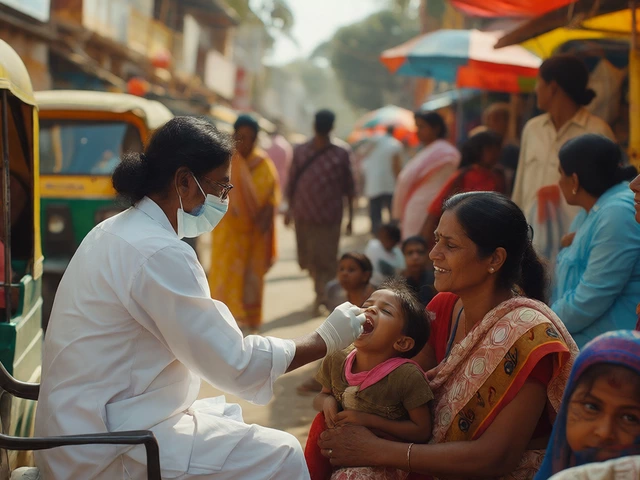
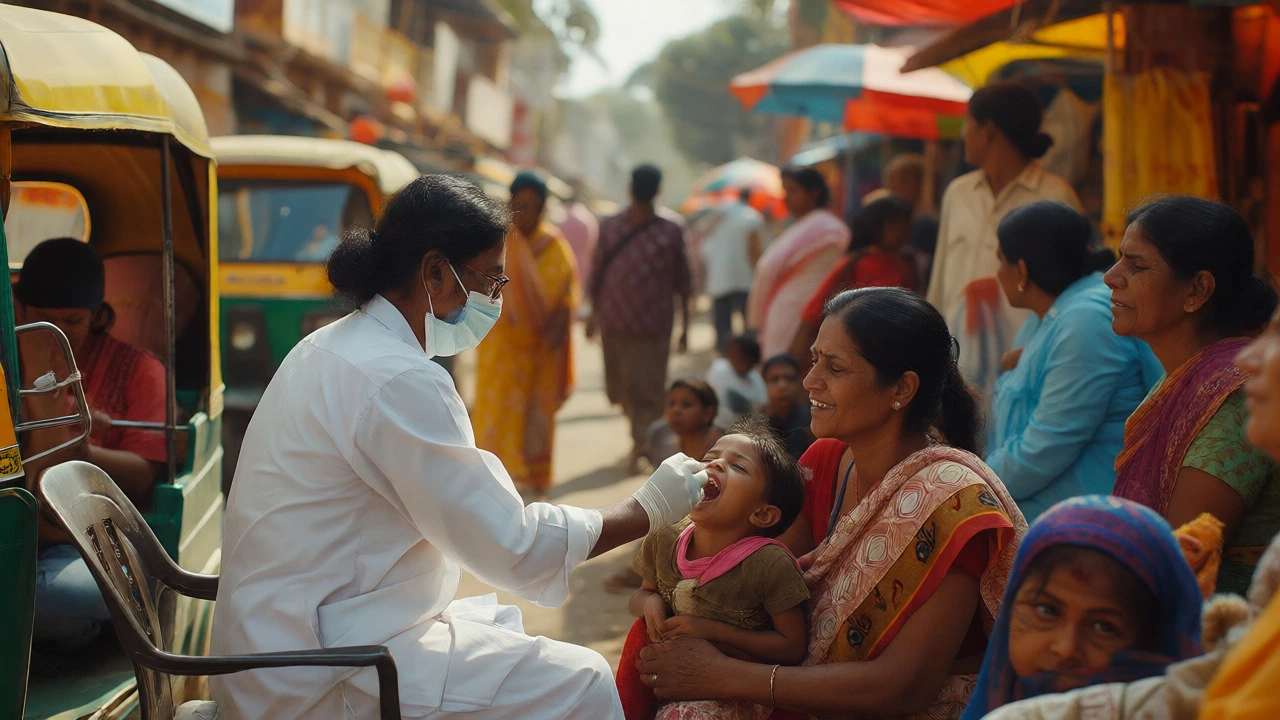
If there’s one type of campaign that has saved more lives than any other, it’s vaccination. These initiatives are usually led by national governments or global entities like UNICEF and the WHO. They focus on distributing vaccines to children and adults to prevent infectious diseases.
Consider the Polio Eradication Initiative. Launched in 1988, this was a massive global push. Before it started, polio paralyzed over 350,000 children annually. Today, wild poliovirus cases have decreased by over 99%. How did they do it? By combining door-to-door outreach with mass media advertising. In many countries, including India, 'Pulse Polio' days became cultural events where entire communities mobilized to ensure every child got their drops.
These campaigns often face hurdles, though. Vaccine hesitancy-where people doubt the safety or necessity of shots-is a growing challenge. Modern campaigns now use social media influencers and local community leaders to combat misinformation, shifting from simple "get vaccinated" messages to nuanced conversations about trust and science.
Tobacco Control: Making Smoking Uncool
Tobacco kills more than 8 million people each year globally. To fight this, public health authorities launched some of the most aggressive behavioral change campaigns in history. The goal wasn't just to inform people that smoking causes cancer-they already knew that. The goal was to make smoking socially unacceptable.
Take Australia’s plain packaging laws or the Truth campaign in the United States. These initiatives used shock tactics, graphic images, and emotional storytelling. They didn't just list facts; they attacked the lifestyle associated with smoking. In India, the Ministry of Health and Family Welfare mandates graphic warnings covering 85% of cigarette packs. This visual assault works. Studies show that graphic warnings significantly increase quit attempts compared to text-only labels.
| Measure | Description | Typical Impact |
|---|---|---|
| Graphic Warnings | Images of diseased lungs/mouths on packs | Increases quit line calls by ~40% |
| Ban on Advertising | No TV/radio ads for tobacco products | Reduces youth initiation rates |
| Price Hikes/Taxes | Increasing cost of cigarettes | Strongest deterrent for low-income groups |

HIV/AIDS Awareness: From Stigma to Treatment
In the 1980s, HIV was surrounded by fear and stigma. Early campaigns focused on prevention through condom use and testing. Over time, the message evolved. It shifted from "avoid the disease" to "manage the condition." Today, campaigns emphasize that HIV-positive individuals can live long, healthy lives if they adhere to antiretroviral therapy (ART).
The UNAIDS 'Fast-Track Cities' initiative is a prime example of modern targeting. It focuses on urban centers where HIV prevalence is highest. By decentralizing treatment and using peer educators, these campaigns reduced new infections in cities like Nairobi and Bangalore. The key lesson here? Personalization beats generic messaging. When people hear stories from someone who looks like them, they listen.
Mental Health Advocacy: Breaking the Silence
For decades, mental health was ignored in public health agendas. Now, it’s a priority. Campaigns like Bell Let's Talk in Canada or Time to Change in the UK aim to normalize conversations about anxiety and depression. These initiatives leverage celebrities and social media hashtags to reach younger demographics.
In India, organizations like The Live Love Laugh Foundation have played a pivotal role. Their campaigns use short films and school programs to teach emotional resilience. Unlike physical health campaigns, which rely on biological markers, mental health advocacy relies on empathy and language. The success metric isn't just reduced hospitalizations; it's increased willingness to seek help. Surveys indicate that after major media pushes, helpline call volumes spike, proving that visibility saves lives.
Nutrition and Lifestyle: Fighting Non-Communicable Diseases
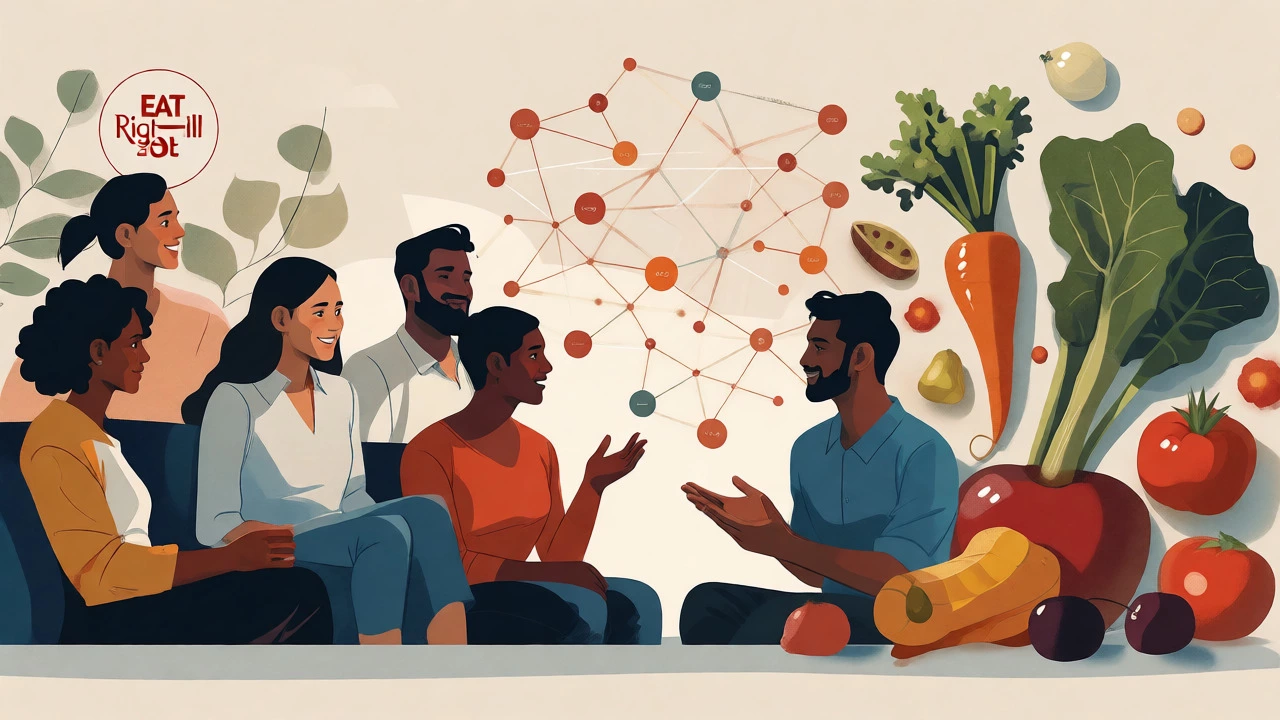
We are facing an epidemic of non-communicable diseases (NCDs) like diabetes, heart disease, and obesity. These are largely driven by lifestyle choices. Consequently, campaigns now focus on diet and exercise. The 'Eat Right India' movement is a great local example. It encourages reducing sugar, salt, and fat intake while promoting locally sourced foods.
These campaigns often struggle with complexity. Telling someone to "eat healthy" is vague. Successful ones provide actionable steps: "Swap white rice for brown," or "Walk for 30 minutes after dinner." Digital tools, like apps that track calorie intake, are increasingly integrated into these public health strategies, bridging the gap between policy advice and individual action.
How Effective Are They Really?
Not all campaigns hit the mark. Effectiveness depends on three factors: reach, relevance, and reinforcement. A billboard seen once won’t change behavior. A series of reminders across TV, phone, and community centers might.
Evaluation methods have changed too. Authorities no longer just count impressions. They measure outcomes: Did smoking rates drop? Did vaccination coverage increase? Did emergency room visits for heatstroke decrease during summer campaigns? Data-driven adjustments allow organizers to tweak messages in real-time. If a slogan doesn't resonate in rural areas, they test a different one. It’s iterative, not static.
Key Takeaways
- Diverse Goals: Campaigns range from preventing infections (vaccines) to changing lifestyles (anti-smoking).
- Evolution of Messaging: Messages have moved from fear-based tactics to empowerment and normalization.
- Local Context Matters: Global strategies must be adapted culturally to succeed (e.g., involving local leaders).
- Data is Key: Success is measured by health outcomes, not just media views.
Understanding these campaigns helps us navigate health news better. Next time you see a poster about dengue prevention or a tweet about mental wellness, remember the complex machinery working behind the scenes to keep populations safe.
Who funds public health campaigns?
Funding comes from multiple sources. National governments allocate budgets through ministries of health. International organizations like the World Health Organization (WHO), UNICEF, and the Bill & Melinda Gates Foundation provide grants for global issues. Additionally, non-governmental organizations (NGOs) and private sector partnerships often co-fund specific initiatives, such as corporate wellness programs linked to broader public health goals.
Are public health campaigns effective in changing behavior?
Yes, but effectiveness varies based on execution. Simple information dissemination often fails. However, multi-channel campaigns that combine media, policy changes (like taxes), and community engagement show significant results. For example, anti-smoking campaigns combined with price hikes have reduced smoking prevalence in many developed nations by half since the 1960s. The key is consistency and addressing both knowledge and motivation.
What is the difference between a public health campaign and a medical advertisement?
Medical advertisements promote specific pharmaceutical products or services for profit. Public health campaigns promote behaviors or preventive measures for the collective good, usually without commercial bias. For instance, a drug ad promotes a specific antidepressant brand, while a public health campaign encourages seeking professional help for depression regardless of the medication prescribed.
How do digital platforms influence modern health campaigns?
Digital platforms allow for targeted, personalized messaging. Social media enables rapid dissemination of information and real-time feedback. Influencers can lend credibility to health messages. Furthermore, data analytics help tailor content to specific demographics, ensuring that messages reach vulnerable populations effectively. However, digital spaces also spread misinformation, requiring campaigns to actively monitor and counter false narratives.
Can I participate in public health campaigns?
Absolutely. Participation can range from sharing verified health information on social media to volunteering with local NGOs during vaccination drives. You can also adopt recommended behaviors, such as wearing masks during flu season or participating in blood donation camps. Individual actions amplify the reach and impact of larger systemic efforts.