Agricultural Career Path Finder
Use this tool to discover which agricultural career path might suit your interests and educational background.
You might think agriculture is just about planting seeds and harvesting crops. But that view is outdated. Today, the sector is a massive global engine involving data scientists, engineers, lawyers, and marketers. If you are looking for a career path that offers stability, purpose, and variety, this industry is worth exploring.
The modern food system is complex. It requires people to grow food, process it, transport it, regulate it, and sell it. This means there are dozens of distinct career tracks available. Some require a PhD in biology, while others need a degree in business or computer science. Understanding these options helps you find where your specific skills fit best.
Production and Farm Management Roles
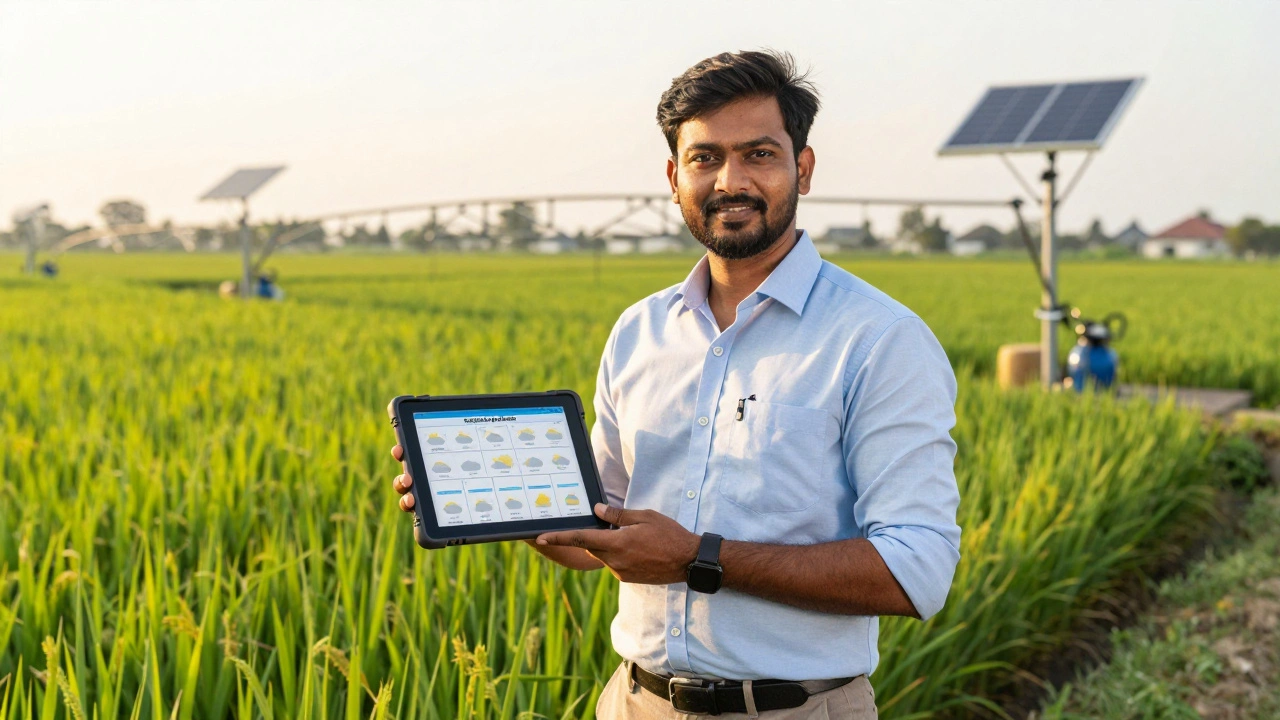
At the heart of the industry are those who manage the land. These roles have evolved significantly over the last decade. The stereotype of the farmer working solely with manual labor is fading. Modern farm managers operate like CEOs of small businesses.
A Farm Manager oversees daily operations, including crop rotation, livestock care, and equipment maintenance. They make critical decisions based on weather forecasts, market prices, and soil health data. This role requires strong organizational skills and a deep understanding of biological cycles.
Agronomists focus specifically on crop production and soil management. They analyze soil samples to determine nutrient needs and recommend fertilizers. Their work directly impacts yield quality and environmental sustainability. Many agronomists work for large farming cooperatives or government agencies, advising producers on best practices.
Livestock specialists handle animal health and welfare. This includes veterinarians who specialize in large animals, as well as herd managers who track breeding cycles and feed efficiency. With the rise of precision livestock farming, these professionals now use sensors and cameras to monitor animal behavior in real-time.
Technology and Precision Agriculture Careers
Technology is reshaping how we produce food. This shift has created a new category of jobs that blend IT expertise with agricultural knowledge. If you enjoy coding or engineering but want to apply your skills to tangible problems, this is a growing field.
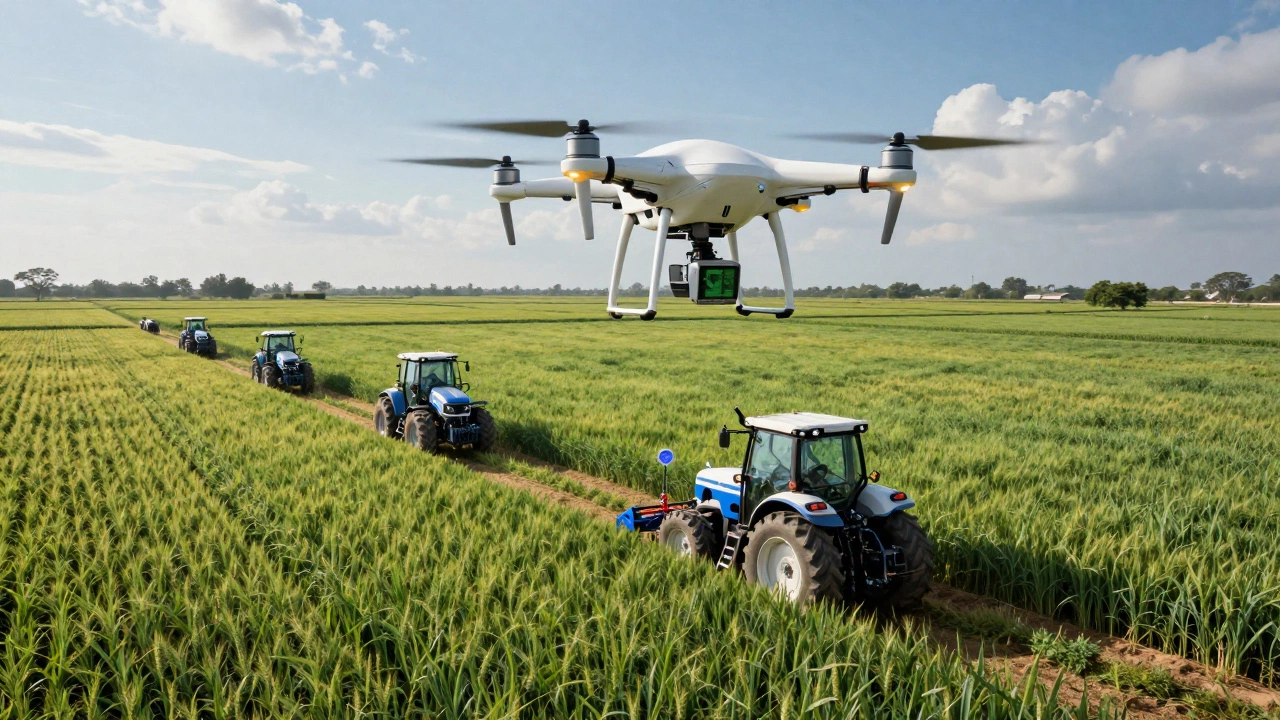
Precision Agriculture Specialists use GPS, drones, and satellite imagery to optimize field-level management. They create maps showing variations in soil moisture or pest pressure across a single field. This allows farmers to apply water and chemicals only where needed, reducing waste and cost.
Data analysts in agriculture process vast amounts of information from smart sensors. They build models that predict harvest dates or identify disease outbreaks before they spread. Companies developing autonomous tractors and robotic harvesters hire software engineers and robotics experts to design these systems.
Ag-tech startups are booming. They need product managers who understand both user needs (farmers) and technical capabilities. These roles often involve traveling to rural areas to test prototypes and gather feedback from end-users.
Research, Science, and Biotechnology
Innovation drives long-term productivity gains. Researchers work in universities, private labs, and government stations to solve pressing challenges like climate change resistance and nutrient deficiency.
Plant Breeders develop new crop varieties with desirable traits such as drought tolerance or higher protein content. This process can take ten years or more, requiring patience and rigorous scientific method. They use traditional cross-breeding techniques alongside genetic editing tools like CRISPR.
Soil scientists study the physical, chemical, and biological properties of earth materials. Their research informs policies on land conservation and carbon sequestration. As governments push for regenerative agriculture, demand for soil expertise is rising sharply.
Food scientists ensure safety and quality during processing. They develop preservatives, packaging solutions, and nutritional formulations. Their work prevents spoilage and reduces food waste throughout the supply chain.
Business, Marketing, and Supply Chain
Growing food is only half the battle. Getting it to consumers efficiently requires robust logistics and strategic marketing. These roles connect producers with markets.
Supply chain coordinators manage transportation networks. They schedule trucking routes, monitor cold storage temperatures, and coordinate port shipments. Efficiency here minimizes spoilage and ensures fresh products reach stores quickly.
Agricultural economists analyze market trends and policy impacts. They help farmers decide what to plant next season based on projected commodity prices. Banks and insurance companies also rely on their forecasts to assess risk.
Marketing directors promote brands within the food industry. Whether selling organic coffee beans or industrial machinery, they craft messages that resonate with target audiences. Digital marketing skills are increasingly valuable as B2B transactions move online.
Policy, Regulation, and Sustainability
Government agencies set rules governing pesticide use, water rights, and labor standards. Professionals in this space ensure compliance and advocate for fair practices.
Environmental consultants advise farms on meeting regulatory requirements related to runoff control and habitat preservation. They design buffer zones and wetlands to protect local ecosystems.
Sustainability officers within corporations track metrics like carbon footprint and water usage. They report progress to stakeholders and implement initiatives aimed at net-zero emissions. Investors are paying close attention to these reports, making this role strategically important.
| Career Path | Typical Education | Key Skills | Average Salary Range (USD) |
|---|---|---|---|
| Farm Manager | Bachelor's Degree | Leadership, Logistics | $60,000 - $90,000 |
| Precision Ag Specialist | Bachelor's + Tech Certs | GIS, Data Analysis | $70,000 - $100,000 |
| Plant Breeder | Master's or PhD | Genetics, Patience | $80,000 - $120,000 |
| Ag Economist | Master's Degree | Statistics, Modeling | $75,000 - $110,000 |
| Soil Scientist | PhD Preferred | Lab Work, Field Study | $65,000 - $95,000 |
How to Choose Your Path
Selecting the right job depends on your interests and strengths. Ask yourself whether you prefer outdoor work or office settings. Do you enjoy hands-on problem solving or abstract analysis?
If you love nature and physical activity, consider production roles. You will spend time outdoors dealing with unpredictable weather conditions. However, you gain satisfaction from seeing direct results of your efforts.
If you are tech-savvy, explore precision agriculture positions. These jobs offer competitive salaries and opportunities for remote work. You contribute to innovation without necessarily living on a farm.
For those interested in big-picture impact, look into policy or sustainability roles. You influence systemic changes that affect millions of acres and countless livelihoods.
Networking is crucial. Attend conferences hosted by organizations like the American Society of Agronomy. Join professional associations relevant to your chosen niche. Informational interviews with current practitioners provide insights no textbook can match.
Future Trends Shaping Demand
Climate uncertainty increases reliance on resilient crop varieties and efficient irrigation systems. This boosts demand for breeders and hydrologists.
Urbanization pushes vertical farming and controlled environment agriculture forward. Engineers designing LED lighting systems and nutrient delivery mechanisms will see steady hiring growth.
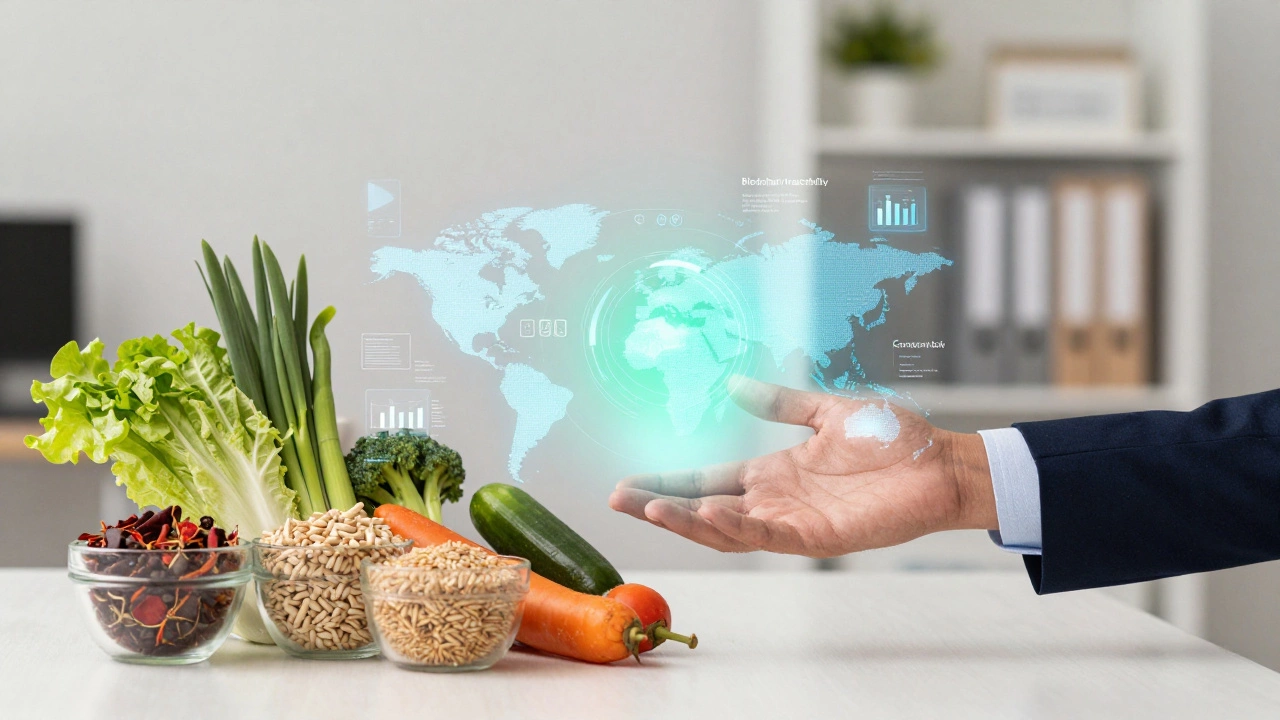
Consumer awareness drives interest in transparency. Blockchain developers creating traceability platforms help verify organic claims and ethical sourcing practices.
Do I need a college degree to work in agriculture?
Not always. Entry-level farmhand positions may not require formal education. However, most specialized roles such as agronomist, engineer, or scientist demand at least a bachelor’s degree. Advanced degrees open doors to research and leadership positions.
Is agriculture a stable career choice?
Yes. Food is essential regardless of economic conditions. While commodity prices fluctuate, skilled professionals remain in high demand. Diversification into technology and services adds further stability compared to pure production risks.
What are the highest-paying jobs in agriculture?
Executive roles in agribusiness corporations top the list. Technical specialists like geneticists and data scientists also command high salaries due to scarcity of talent. Salaries vary widely by region and company size.
Can I work in agriculture if I live in a city?
Absolutely. Many roles in finance, marketing, software development, and policy are located in urban centers. Remote work options exist for data analysis and consulting tasks. Urban farming initiatives also create local employment opportunities.
How does climate change affect agricultural jobs?
It creates new demands for adaptation strategies. Experts in drought-resistant crops, water conservation, and carbon farming become more valuable. Traditional roles must evolve to incorporate resilience planning into daily operations.