Agricultural Niche Profitability Calculator
Step 1: Select Your Agricultural Niche
Microgreens
High density, rapid turnover, urban friendly.
Mushrooms
Indoor cultivation, high value gourmet crops.
Hops
Perennial crop, craft beer demand, long term.
Commodity
Corn/Soy, large scale, low margin volume.
Step 2: Enter Your Parameters
Selected Niche Profile
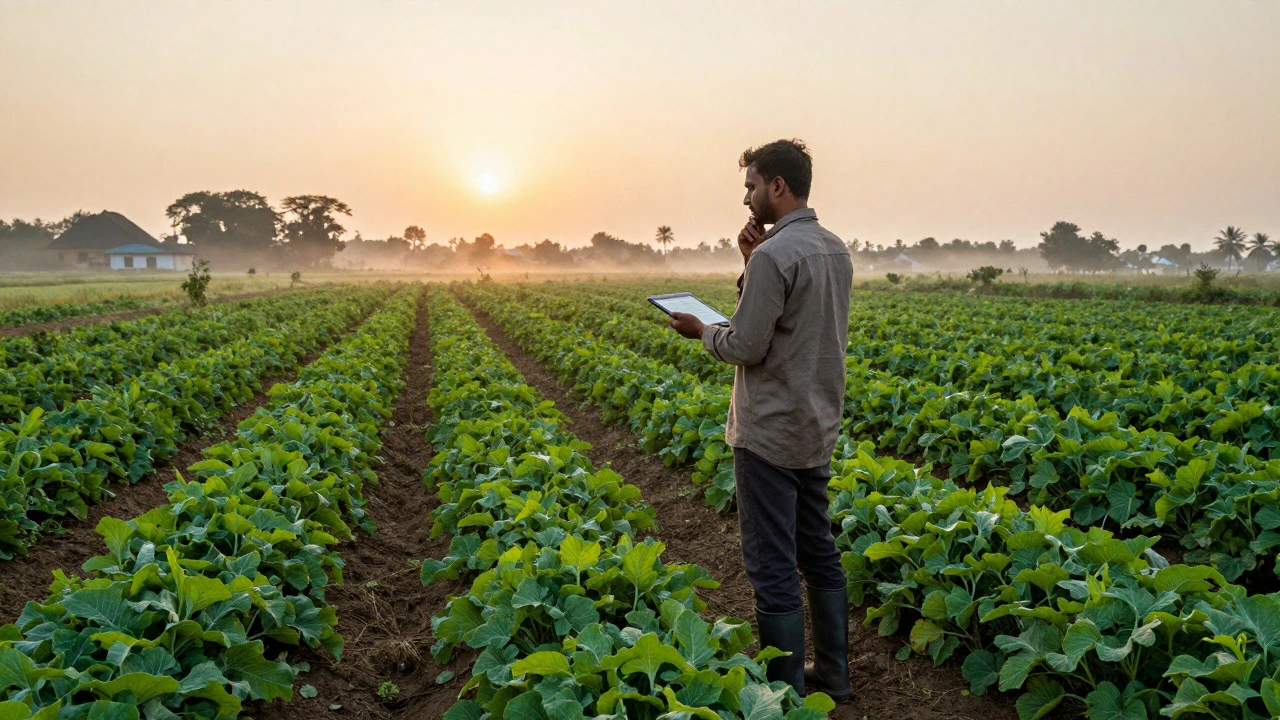
Picture this: you’re standing in a field at dawn, the soil cool under your boots, watching the sun rise over rows of crops. It’s romantic, right? But then the reality hits-fuel costs are up, labor is scarce, and the market price for your harvest just dropped. Can you actually make a living doing this? The short answer is yes. The longer answer is that it depends entirely on how you define "farming" today.
Gone are the days when simply planting seeds and hoping for rain was enough to sustain a family. Modern Agriculture is a complex industry combining biology, technology, and business strategy. To make a real income, you need to stop thinking like a traditional farmer and start thinking like an entrepreneur. Whether you own 50 acres or run a vertical farm in a city warehouse, the principles of profitability remain the same: manage risk, control costs, and find high-value markets.
The Reality of Farming Income Today
Let’s get straight to the numbers. According to recent data from the USDA Economic Research Service, the average net farm income in the United States hovers around $100,000 annually. Sounds decent, but that average hides a massive disparity. Large-scale commodity farms (corn, soy, wheat) often report millions in revenue but operate on razor-thin margins. Meanwhile, small specialty farms can struggle to break even if they rely solely on wholesale prices.
The key insight here isn’t about land size; it’s about value addition. A farmer selling raw tomatoes to a distributor might earn $0.50 per pound. That same farmer who grows heirloom varieties, packages them nicely, and sells directly to consumers via farmers' markets or Community Supported Agriculture (CSA) boxes can charge $4.00 per pound. That tenfold difference is where the living wage comes from.
- Commodity Farming: High volume, low margin. Requires significant capital for machinery and land.
- Specialty Crops: Lower volume, higher margin. Requires more labor and marketing effort.
- Livestock Integration: Adds stability through diverse income streams (meat, milk, wool).
High-Value Niches That Pay Well
If you’re looking to build a profitable agricultural career, you need to look beyond basic staples. Certain niches offer significantly better returns on investment due to consumer demand and scarcity.
Mushroom Cultivation is a lucrative indoor farming method with high yield cycles. Oyster and lion’s mane mushrooms grow quickly on low-cost substrates like coffee grounds or straw. You don’t need acres of land; a converted garage or basement works. Wholesale prices for gourmet mushrooms can range from $8 to $15 per pound, while direct-to-consumer sales push that higher.
Another strong contender is Hops Farming. With the craft beer boom still active, hop growers have seen consistent demand. However, hops require trellising systems and specific climates, making them a specialized crop. Once established, perennial hop plants produce for years, reducing annual replanting costs.
Microgreens represent another low-barrier entry point. These young vegetable greens are harvested just after the cotyledon leaves develop. Restaurants pay premium prices for their visual appeal and nutritional density. A single square foot of growing space can generate multiple harvests per week, turning a small urban apartment into a viable micro-business.
| Niche | Startup Cost | Time to First Harvest | Margin Potential |
|---|---|---|---|
| Mushrooms | Low ($500-$2,000) | 2-4 weeks | High (60-70%) |
| Hops | High ($10,000+) | 1-2 years | Medium-High (40-50%) |
| Microgreens | Very Low ($200-$500) | 7-14 days | Very High (70-80%) |
| Corn/Soy | Very High ($50,000+) | 3-4 months | Low (10-15%) |
Diversification: Don't Put All Your Eggs in One Basket
Relying on a single crop is risky. Weather events, pests, and market fluctuations can wipe out your income overnight. Successful modern farmers diversify their revenue streams. This doesn’t mean growing fifty different things; it means creating complementary income sources.
Consider agritourism. If you have scenic land, hosting pumpkin patches, corn mazes, or farm stays can bring in cash during off-seasons. Visitors spend money on food, souvenirs, and experiences. This turns your farm into a destination rather than just a production site.
Value-added products are another powerful tool. Instead of selling raw honey, create infused honeys or beeswax candles. Instead of selling apples, make apple cider vinegar or dried fruit snacks. By processing your own goods, you capture the retail markup that supermarkets usually take. This approach requires some initial learning in food safety regulations, but the long-term financial benefit is substantial.

Technology as a Profit Multiplier
You don’t need a PhD in computer science to use tech in agriculture, but ignoring it will hurt your bottom line. Precision agriculture tools help you apply water, fertilizer, and pesticides only where needed. This reduces waste and lowers input costs.
Drone technology allows for rapid field monitoring. Spotting a pest infestation early means treating a small area instead of spraying the entire field. Software platforms now exist to track every seed planted and every bushel sold, giving you clear visibility into your profit and loss statements in real-time. For smaller operations, simple apps that connect directly to local restaurants or grocery stores can eliminate middlemen, ensuring you keep more of the profit.
Non-Farming Roles in Agribusiness
Making a living in agriculture doesn’t strictly mean getting your hands dirty in the soil. The broader agribusiness sector employs thousands of professionals who support the supply chain. If you prefer office work or technical roles, there are plenty of opportunities.
Agricultural consultants advise farmers on best practices, soil health, and regulatory compliance. Sales representatives for equipment manufacturers travel to farms demonstrating new tractors or irrigation systems. Data analysts interpret satellite imagery and weather patterns to predict yields. Even digital marketers play a crucial role in helping farms brand themselves and reach online customers. These roles often come with stable salaries, benefits, and less exposure to weather-related risks.

Challenges You Must Prepare For
It’s not all sunshine and harvest festivals. Agriculture is physically demanding and mentally taxing. Long hours are standard, especially during planting and harvesting seasons. You’ll deal with unpredictable weather, supply chain disruptions, and bureaucratic red tape regarding zoning and permits.
Access to capital is also a major hurdle. Starting a farm requires upfront investment in land, equipment, and seeds. Many new farmers turn to grants, loans, or partnerships to bridge this gap. Understanding government programs, such as those offered by the Farm Service Agency (FSA), can provide critical safety nets during tough years.
Finally, isolation can be a challenge. Rural areas may lack community support networks. Building relationships with other farmers, joining cooperatives, and participating in local agricultural associations can provide both emotional support and practical advice.
Steps to Start Your Agricultural Career
- Educate Yourself: Take courses in horticulture, animal science, or agricultural business. Online resources and extension services offer free or low-cost training.
- Gain Experience: Work on an existing farm to learn the ropes without risking your own capital. Understand daily operations, seasonal rhythms, and common pitfalls.
- Write a Business Plan: Define your niche, target market, startup costs, and projected revenue. Treat your farm like a startup company.
- Start Small: Begin with a manageable plot or indoor setup. Scale up gradually as you gain confidence and customer base.
- Build Relationships: Connect with local chefs, grocers, and consumers. Word-of-mouth marketing is powerful in agriculture.
Frequently Asked Questions
Is farming a good career choice in 2026?
Yes, if you approach it as a business. Traditional commodity farming faces tight margins, but specialty crops, vertical farming, and agribusiness roles offer strong earning potential. Success depends on choosing high-value niches and leveraging technology to reduce costs.
How much money do farmers make on average?
Average net farm income varies widely. Large commodity farms may earn hundreds of thousands, while small specialty farms might earn $50,000 to $100,000. Direct-to-consumer models and value-added products can significantly increase personal income beyond these averages.
Do I need a lot of land to start farming?
Not necessarily. Urban farming, mushroom cultivation, and microgreen production require very little space. Many successful operations run on less than five acres by focusing on high-density, high-value crops.
What are the biggest risks in agriculture?
Weather volatility, pest outbreaks, and fluctuating market prices are top risks. Diversifying crops, using insurance products, and building direct customer relationships can mitigate these threats.
Can I farm part-time while keeping my day job?
Absolutely. Many farmers start part-time to test their ideas and build capital. Microgreens, eggs, and herbs are popular part-time ventures because they require minimal daily attention compared to large livestock operations.
What skills are most valuable in modern agriculture?
Beyond growing skills, you need business acumen, marketing savvy, and technical literacy. Understanding data analytics, social media promotion, and financial management is crucial for profitability in today's competitive landscape.
Are there government grants for new farmers?
Yes. Organizations like the USDA offer Beginning Farmer and Rancher Development Program grants. Local extension offices and state departments of agriculture also provide funding opportunities for sustainable practices and infrastructure improvements.
How does climate change affect farming profits?
Climate change introduces uncertainty through extreme weather events. However, it also creates opportunities for drought-resistant crops and controlled-environment agriculture. Adapting to local climate shifts is essential for long-term viability.