Medical Research Pathway Planner
Start your research journey
Get a personalized 3-6 month plan to land your first medical research role—no experience needed. Based on the article's proven steps.
Your Situation
Timeline Preview
Your Personalized Plan
You want to get into medical research but have no background in labs, no degrees in biology, and maybe not even a science degree. You’re not alone. Thousands of people start this path every year with zero experience-and many end up leading breakthrough studies. The truth? You don’t need to be a genius or have a PhD to begin. You just need to know where to start and how to show up.
Start by volunteering in a hospital or clinic
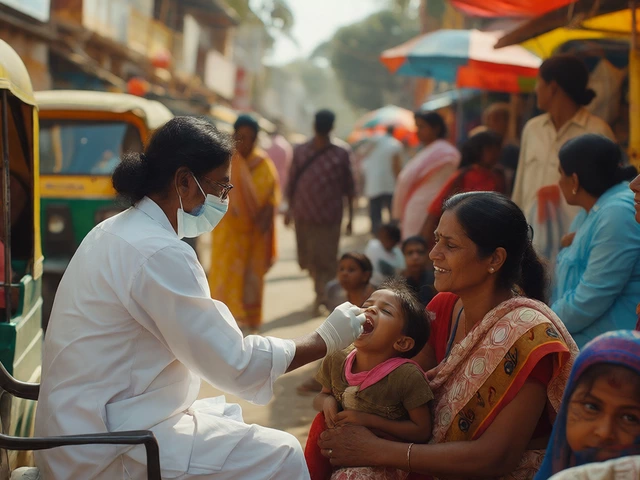
The first real step isn’t applying to a lab. It’s walking into a hospital. Most hospitals in India, including big ones in Bangalore like NIMHANS or Apollo, run volunteer programs. You don’t need qualifications. Just show up, ask if they need help with patient intake, data entry, or organizing medical records. These roles seem small, but they put you right in the middle of healthcare workflows. You’ll see how data gets collected, how patients are tracked, and how research teams identify patterns. You’ll also meet researchers. And when you do, you’ll have something real to say: “I’ve been helping here for three months-I’ve seen how patient records are used in studies.” That’s more than most applicants can say.Learn the language of research
Medical research has its own vocabulary. You don’t need to memorize every term, but you need to understand the basics: what a clinical trial is, what IRB stands for, what a control group does. Start with free online courses. Coursera’s “Clinical Trials” from Duke University is a good place. So is Khan Academy’s “Medical Research Basics.” Watch these in your lunch break. Take notes. Don’t just watch-pause and ask yourself: “Why would they need a placebo group here?” This builds your intuition. Within a few weeks, you’ll start recognizing research designs in news articles. That’s your first win.Find a mentor, not a job
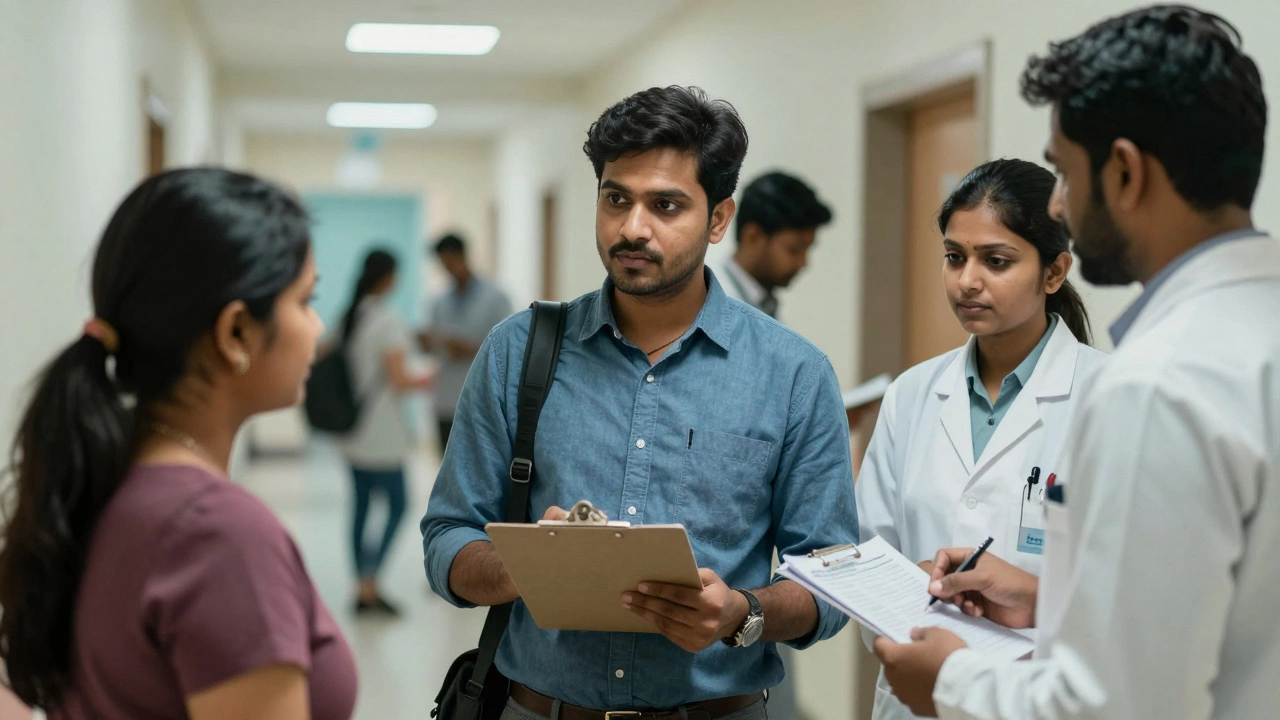
You won’t find a job titled “Research Assistant with No Experience.” But you can find a mentor. Look for junior researchers-postdocs, PhD students, or even senior medical students doing small projects. Attend free public seminars at nearby universities like IISc or St. John’s Medical College. Ask one question after the talk. Then, send a short email: “I’m new to this field and really liked your point about patient recruitment. Would you be open to a 15-minute chat next week?” Most say yes. They’ve been where you are. They remember what it felt like to be ignored. A mentor won’t give you a job. But they’ll tell you which projects are actually hiring volunteers, which labs are open to beginners, and what skills matter most right now.Build a simple project of your own
No lab? No problem. Start with public data. The WHO, NCBI, and India’s National Health Stack have open datasets on disease trends, vaccination rates, and hospital outcomes. Pick something local-say, diabetes rates in Bengaluru’s slums. Use free tools like Google Sheets or Excel. Make a simple chart. Compare two neighborhoods. Write a one-page summary: “What I found and why it matters.” You’re not publishing in The Lancet. You’re proving you can think like a researcher. This becomes your portfolio. When you talk to a lab, show them this. It’s better than any resume line that says “interested in research.”
Apply for internships designed for beginners
Many Indian institutions run summer internships specifically for students or non-students with no background. Look for:- ICMR’s Short-Term Studentship Program-open to anyone with a 12th-grade pass. You work on real projects for 6-8 weeks.
- CSIR labs-some offer non-degree internships in public health research.
- Private hospitals like Manipal or Fortis sometimes run research observer programs.
Learn one technical skill that matters
You don’t need to code like a software engineer. But knowing how to use Excel for basic statistics-like calculating averages, making pivot tables, or running a simple t-test-makes you 10x more useful. If you can do that, you can help clean data for a study. That’s a real contribution. Free resources like DataCamp’s “Excel for Healthcare” or YouTube tutorials from “MedStats” can teach you this in under 10 hours. Learn it. Practice it. Then say: “I can help organize your patient data.” That’s a door opener.Join a research community
Don’t do this alone. Find local groups. In Bangalore, there’s the Health Research Collective that meets monthly at the Indian Institute of Science campus. Or join online forums like ResearchGate and follow topics like “public health in India.” Comment on posts. Ask questions. Don’t be quiet. The people who get into research aren’t the smartest-they’re the ones who show up consistently. You’ll start seeing opportunities posted in these groups: “Need someone to help with survey distribution in Kengeri.” That’s your foot in the door.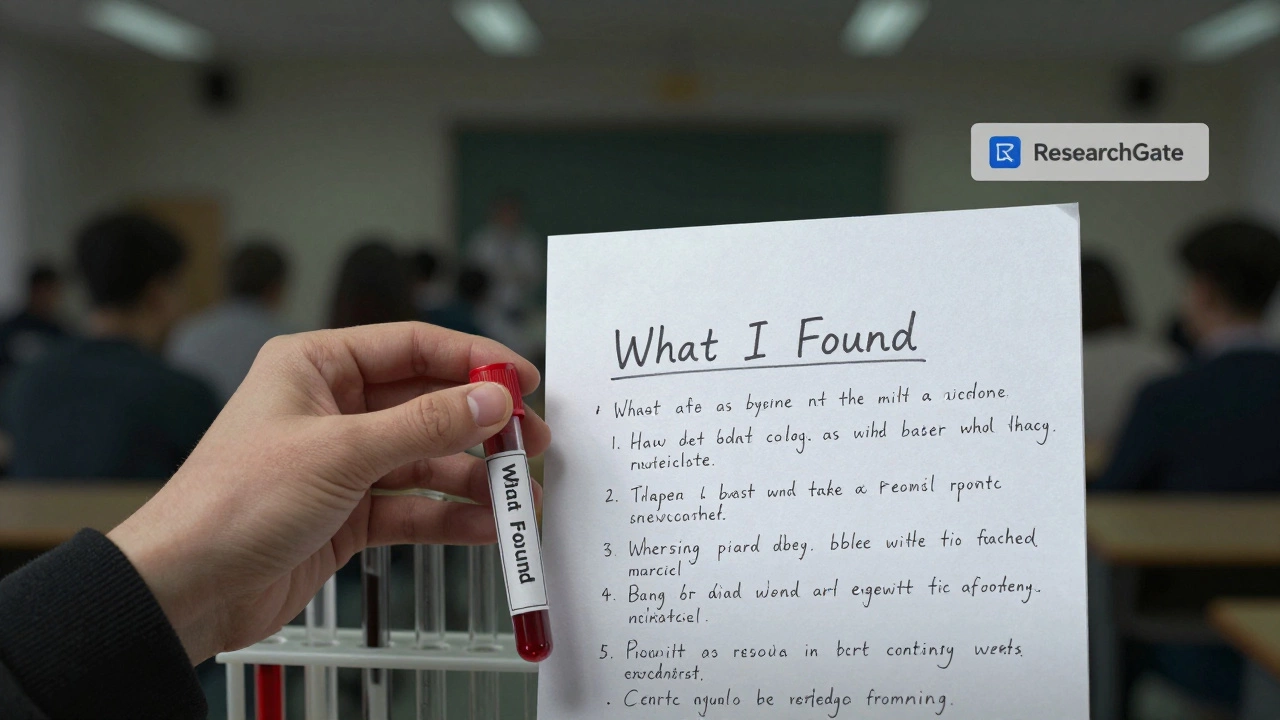
Be ready to start small-and stay
Your first task might be labeling tubes. Or entering survey responses. Or calling patients to confirm follow-ups. It’s not glamorous. But every great researcher started there. What separates people who make it from those who quit? Consistency. Show up every day. Ask one more question. Stay after hours to help clean up. People notice. And when a bigger project opens up, they remember you.What you’ll learn along the way
In six months, you’ll know things no textbook teaches:- How ethics reviews actually work-not just the theory, but the delays, the revisions, the paperwork.
- Why some patients drop out of studies, and how that skews results.
- How data gets corrupted when handwritten forms are typed in wrong.
- That research isn’t about being right-it’s about being honest when you’re wrong.
What’s next?
Once you’ve done a few months of volunteering, helped on a small project, and built that one-page data analysis-you’re ready to apply for formal research assistant roles. You’ll still be competing with biology graduates. But you’ll have something they don’t: real experience, a clear story, and proof you’re not just curious-you’re committed.Medical research doesn’t need more people who know all the answers. It needs more people who ask the right questions-and stick around until they find them.
Can I get into medical research without a science degree?
Yes. Many research teams need people who can manage data, communicate with patients, or handle logistics. You don’t need a biology degree to help organize surveys, enter data, or assist in interviews. What matters is your willingness to learn and your attention to detail.
How long does it take to get your first research role?
With consistent effort, you can land your first role in 3-6 months. Volunteering at a hospital, completing a free course, and applying to one internship program every month will get you there. It’s not about speed-it’s about showing up regularly.
Do I need to know how to code?
No, not at first. But learning basic Excel or Google Sheets for data sorting and simple analysis is essential. Later, you might want to learn R or Python, but those come after you’ve proven you understand the research process. Start with spreadsheets-they’re the most common tool in early-stage research.
Are there paid opportunities for beginners?
Some yes, most no. ICMR’s short-term studentships offer a small stipend. Some private labs pay for data entry roles. But many entry-level positions are unpaid internships or volunteer roles. Think of them as training, not jobs. The goal is to build experience you can later trade for a paid position.
What’s the biggest mistake beginners make?
Waiting to be ready. People think they need a degree, a lab coat, or perfect grades before they start. But research isn’t a gatekeeping game-it’s a participation game. The people who get in are the ones who show up early, ask questions, and do the boring tasks well. You don’t need permission to begin.