Imagine a blood test that catches cancer before you even feel sick. Or a chip the size of a grain of sand that spots malaria in a single drop of blood. This isn’t science fiction. Nanotechnology is already making this real - and it’s changing how we find diseases long before they become dangerous.
How Nanotechnology Detects Diseases
Nanotechnology works at the scale of billionths of a meter. At this size, materials behave differently. Gold nanoparticles glow under light. Carbon nanotubes conduct electricity like wires. These properties let scientists build devices that interact with viruses, cancer cells, or proteins in ways traditional tools can’t.
Instead of waiting for symptoms, nanotech tools look for tiny biological clues. A single cancer cell releases specific proteins into the bloodstream. A virus changes the shape of a protein in your saliva. Nanosensors are designed to catch these changes - like a lock that only opens for one key.
Cancer: The Biggest Win
Cancer is the disease most improved by nanotechnology. Traditional biopsies and imaging often miss early tumors. Nanoparticles change that.
Researchers have developed gold nanoparticles coated with antibodies that stick only to breast cancer cells. When injected, they circle the body and cling to tumors. A simple MRI scan then lights up those areas. In trials, this method found tumors 6-12 months earlier than mammograms.
Lung cancer is another target. A nasal swab with carbon nanotubes can detect volatile organic compounds released by lung tumors. In a 2024 study at the Indian Institute of Science, this test correctly identified early-stage lung cancer in 92% of cases - without radiation or invasive procedures.
Alzheimer’s and Neurodegenerative Diseases
Alzheimer’s used to be diagnosed only after memory loss became severe. Now, nanotech can spot it years earlier.
A blood test using magnetic nanoparticles binds to beta-amyloid proteins - the same ones that form plaques in the brain. The nanoparticles make these proteins visible in a standard lab machine. In a 2025 trial across 12 hospitals, the test predicted Alzheimer’s with 89% accuracy, even in people with no symptoms.
Same goes for Parkinson’s. A nanosensor on a fingertip patch picks up tiny changes in sweat chemistry caused by dopamine loss. It’s not a cure - but it’s a head start.
Infectious Diseases: Faster, Cheaper, Everywhere
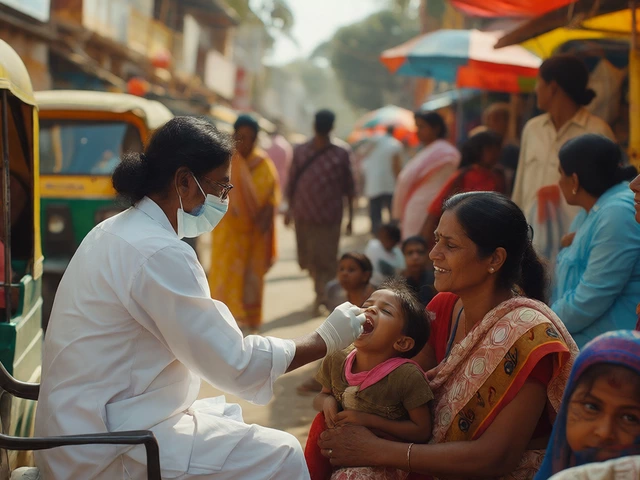
Nanotech is making infectious disease detection faster and cheaper - especially in places without fancy labs.
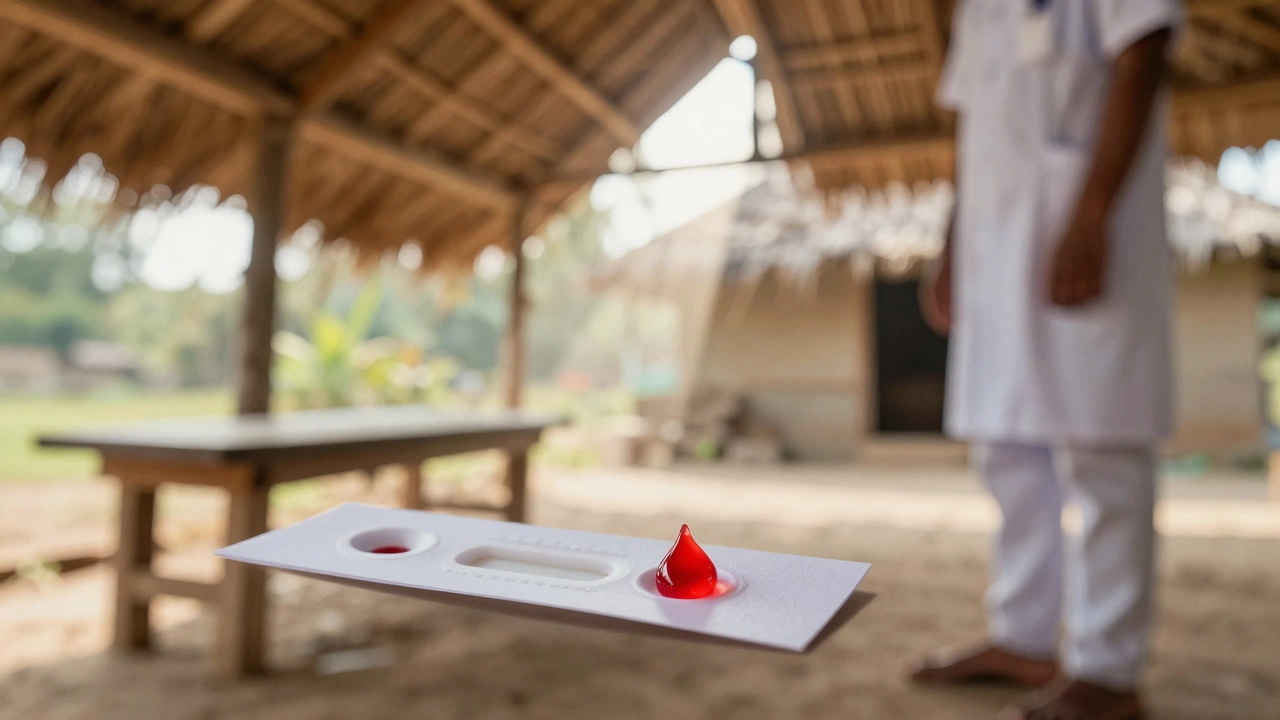
In rural India, a paper-based nanosensor detects dengue fever from a drop of blood in under 10 minutes. It works by changing color when it touches the dengue virus. No electricity. No fridge. Just a strip you dip in blood.
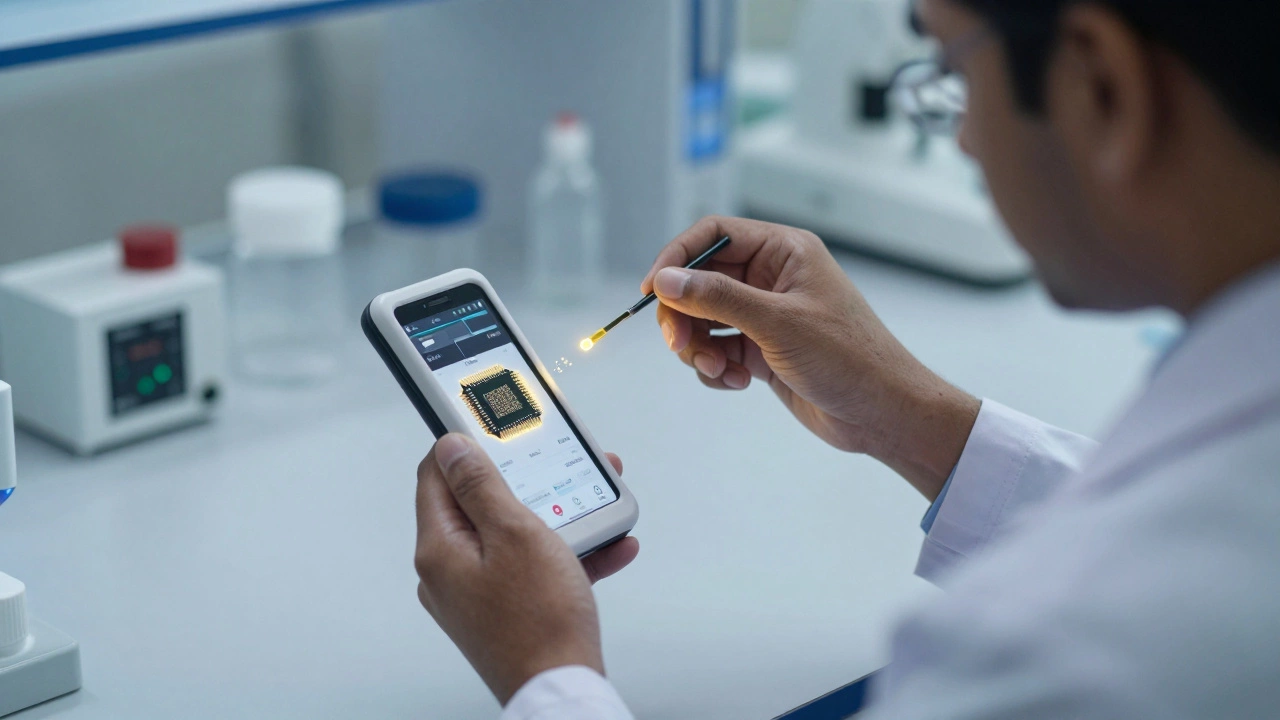
Tuberculosis used to take weeks to confirm. Now, a nanofilter traps TB bacteria from sputum. A laser scans the filter, and results appear on a phone in 30 minutes. The World Health Organization approved this method in late 2025 for use in low-resource areas.
Even HIV and hepatitis B are being caught earlier. Nanoparticles amplify the virus’s genetic signal so it shows up in blood tests long before antibodies form. This means people can start treatment before they even know they’re infected.
Diabetes and Heart Disease
Diabetes isn’t just about sugar. It’s about inflammation and damaged blood vessels. Nanoparticles coated with glucose-sensitive dyes glow brighter as blood sugar spikes. A wearable patch with these particles gives real-time alerts - no finger pricks.
For heart disease, nanosensors in the bloodstream track troponin, a protein released when the heart is stressed. A single drop of blood can now show if someone had a silent heart attack. In a 2024 study, this caught 37% more heart events than standard blood tests.
How It Works: The Core Technologies
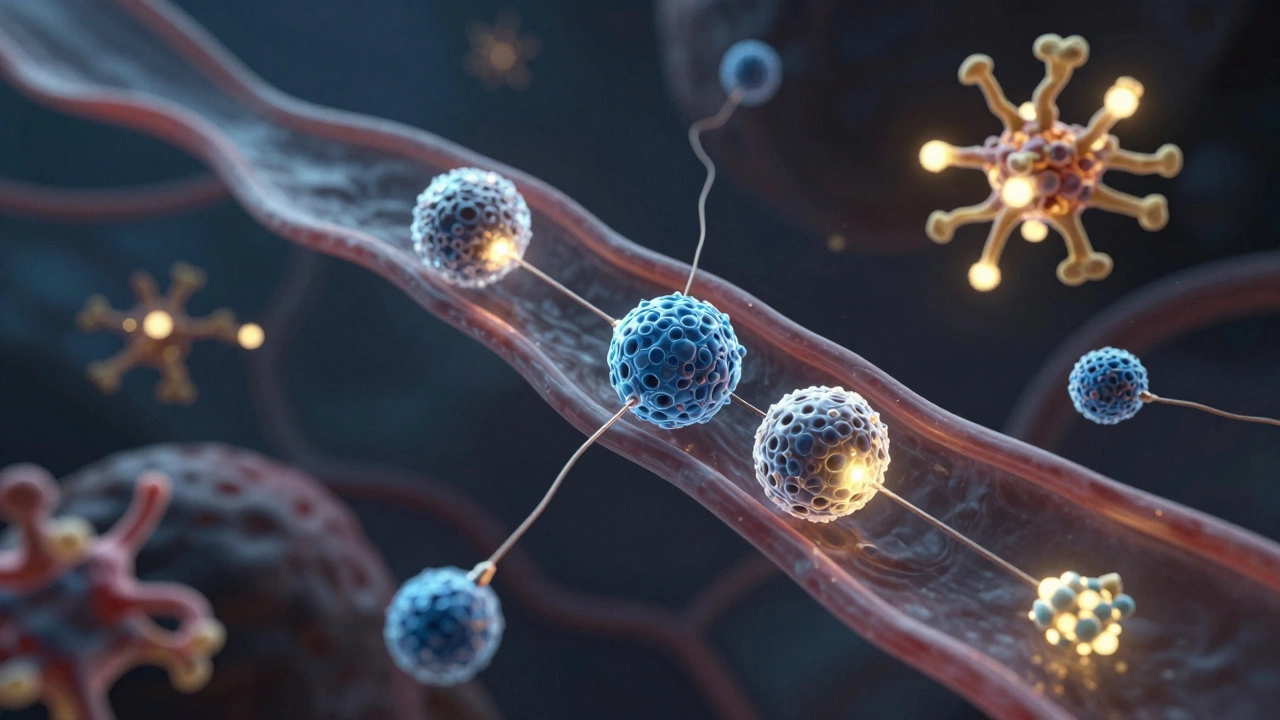
- Nanosensors: Tiny devices that change color, glow, or send an electrical signal when they touch a disease marker.
- Magnetic nanoparticles: Used in blood tests to pull out disease proteins so they’re easier to measure.
- Quantum dots: Fluorescent nanoparticles that light up when they bind to cancer cells or viruses.
- Lab-on-a-chip: Microchips with nanoscale channels that process blood or saliva and give instant results.
These aren’t lab curiosities. They’re being built into handheld devices, smartphone attachments, and even smart bandages.
Why This Matters Right Now
Most diseases are easier to treat when caught early. But traditional methods are slow, expensive, or miss early signs. Nanotech flips that.
It’s not about replacing doctors. It’s about giving them better tools. A nurse in a village in Karnataka can now test for sepsis in 8 minutes. A clinic in rural Bangladesh can screen for liver cancer without a single machine. That’s not just science - it’s equity.
The cost of these tests is falling fast. In 2020, a nanotech cancer test cost $200. Today, it’s under $15. In five years, many will be free - funded by public health programs.
What’s Next?
The next wave is multi-disease detection. Imagine one blood test that checks for cancer, Alzheimer’s, and diabetes at once. Researchers in Singapore and Bangalore are already building chips that can do this.
AI is joining the effort. Nanosensors collect data. AI learns patterns. Together, they predict not just if a disease is present - but how fast it’s growing.
By 2030, routine health checkups may include a nanotech panel - like a blood test you get every year. Early detection won’t be rare. It’ll be normal.