Real-Life JARVIS Readiness Calculator
Select the features currently present in your daily tech ecosystem to estimate your proximity to a fully integrated AI assistant.
Start Checking
Toggle the features above to see how close you are to a real-life JARVIS.
Remember the first time you watched Tony Stark snap his fingers and command his suit to fly? That moment wasn't just cool; it was a blueprint for what we all secretly want from technology. We don't just want a tool; we want a partner. A system that anticipates our needs, manages our chaos, and keeps us safe without us having to lift a finger. That is JARVIS. But as we stand in mid-2026, the question isn't whether the movie magic was fun-it’s whether the science can actually catch up to the fiction.
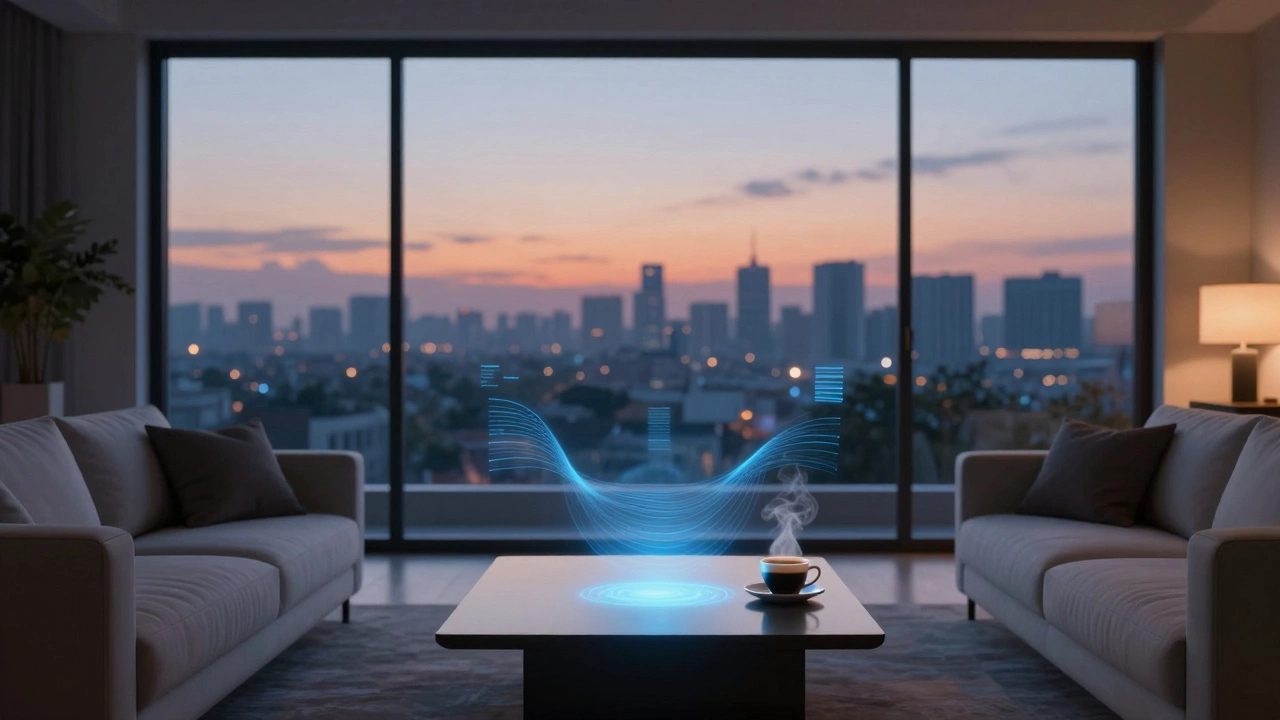
The short answer is yes, but not exactly how you think. You won’t wake up tomorrow with a glowing blue hologram floating above your coffee table. However, the core functions of JARVIS-predictive assistance, seamless environmental control, and health monitoring-are already here. They are just fragmented across different devices. The real breakthrough happening right now, especially in hubs like Bangalore where I’m watching this unfold, is the convergence of Artificial Intelligence and Nanotechnology. This combination is turning scattered apps into a cohesive, almost invisible layer of intelligence around us.
Why Your Phone Isn't Enough Anymore
Let’s be honest about where we were five years ago. We had voice assistants. They could tell us the weather, set a timer, or play a song if we shouted at them correctly. But they were reactive, not proactive. If you forgot your keys, Siri didn’t care. If your heart rate spiked during a stressful meeting, Alexa stayed silent. That’s because traditional AI relies on explicit commands. It waits for input.
A real-life JARVIS needs to be context-aware. It needs to know who you are, where you are, how you feel, and what you’re trying to do before you even say a word. To achieve this, we need sensors that are everywhere, not just in your pocket. We need data streams that are continuous, not intermittent. This is why smartphones hit a ceiling. They are isolated islands of computation. To build a true personal assistant, we need to bridge the gap between the digital world and physical reality. That requires hardware that is smaller, smarter, and more integrated than anything we’ve seen before.
The Role of Nanotechnology in Making AI Invisible
This is where Nanotechnology becomes the unsung hero of the JARVIS dream. For decades, AI has been the brain, but it lacked the nerves. It couldn't "feel" the environment. Nanotechnology provides those nerves.
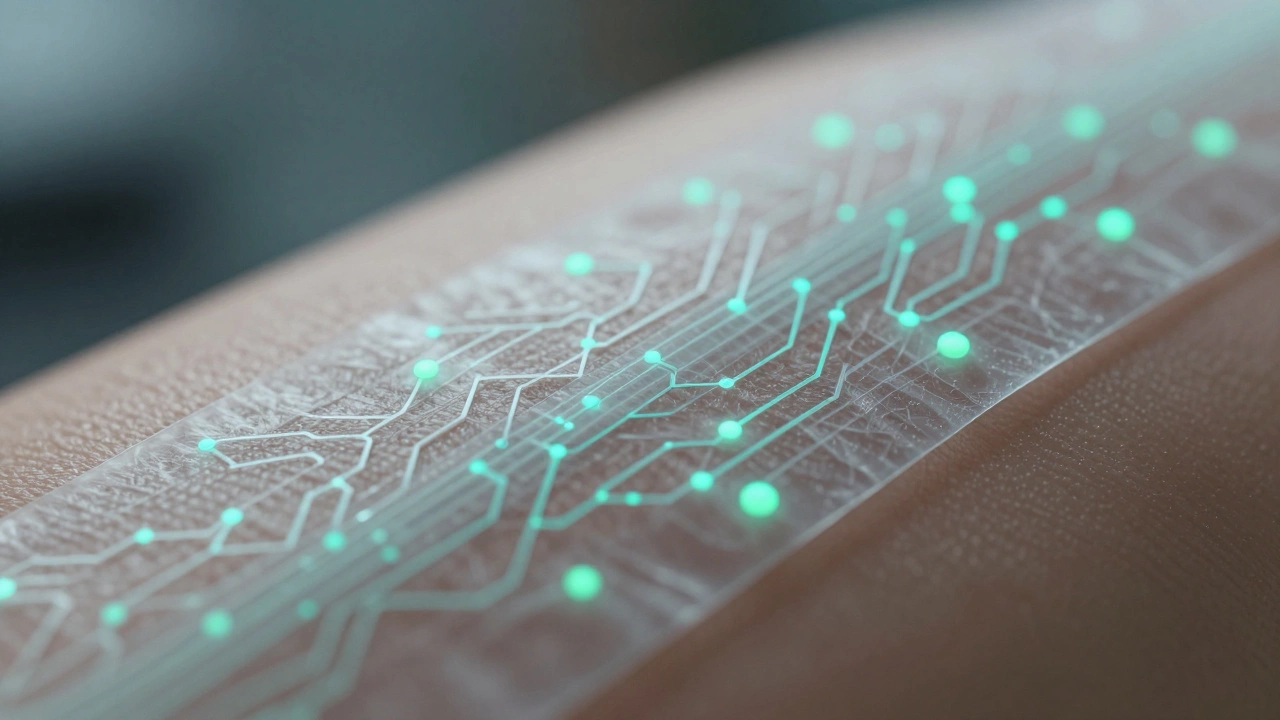
Imagine sensors so small they can be embedded in your clothing, your walls, or even your skin. These aren't bulky wearables that you have to charge every night. These are molecular-scale devices that harvest energy from body heat or ambient light. In 2026, researchers are developing flexible electronic skins made from carbon nanotubes. These materials can detect subtle changes in blood pressure, glucose levels, or muscle tension in real-time.
When you combine this constant stream of biological data with advanced machine learning algorithms, you get something closer to JARVIS’s health monitoring capabilities. Instead of an app reminding you to take your medicine, your shirt detects a drop in your physiological stability and adjusts the room temperature, plays calming music, and notifies your doctor if necessary. All without you saying a word. This is the shift from "smart homes" to "intelligent environments."
| Feature | Traditional Smart Home (Pre-2025) | Nano-Integrated System (2026+) |
|---|---|---|
| Sensor Type | Bulky, battery-powered, fixed location | Molecular, energy-harvesting, flexible/wearable |
| Data Input | Voice commands, manual taps | Continuous biometric & environmental sensing |
| Responsiveness | Reactive (waits for command) | Predictive (anticipates needs) |
| Integration | Siloed apps (lighting separate from health) | Unified ecosystem via edge computing |
| User Experience | Visible devices, frequent charging | Invisible infrastructure, zero maintenance |
Edge Computing: The Brain Behind the Scenes
You might wonder, "If all these nano-sensors are sending data, doesn't that require massive cloud power?" Yes, but sending everything to the cloud is slow and risky. A real JARVIS needs to react instantly. If you trip, your assistant needs to deploy an airbag in your jacket in milliseconds, not seconds. Waiting for a server response is unacceptable.
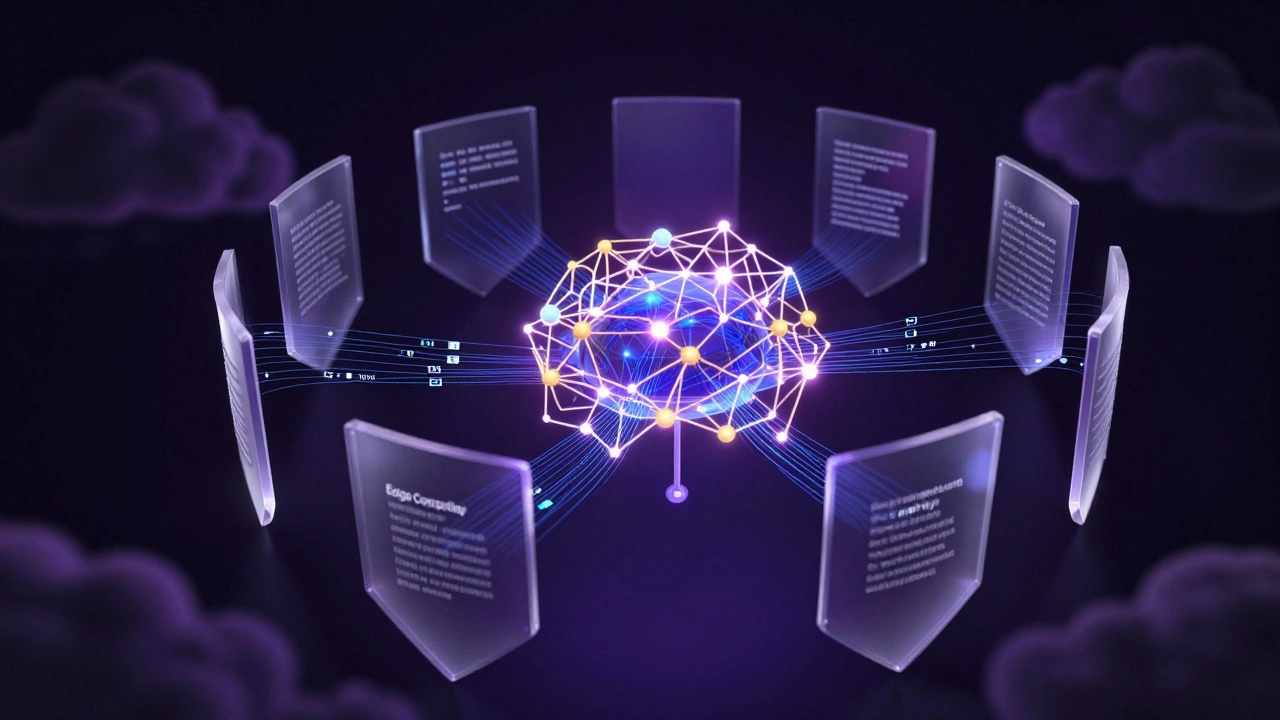
This is why Edge Computing is critical. In 2026, processors are becoming powerful enough to run complex AI models locally on devices. Your smart glasses, your car, and even your watch can process data independently. They only send summaries to the cloud for long-term learning. This reduces latency and, crucially, enhances privacy. Your raw biometric data never leaves your immediate vicinity. It stays on the device, processed by local algorithms, ensuring that your most sensitive information remains yours.
Think of it like this: The cloud is the library where JARVIS learns new things over months. Edge computing is the reflex arc that lets him catch a falling glass before it hits the floor. Both are necessary for a complete experience.
The Interface Problem: Voice vs. Neural Links
Tony Stark talked to JARVIS. We still mostly talk to our assistants. But voice is limited. It’s public, it’s slow, and it fails in noisy environments. The next frontier in creating a real-life JARVIS is non-verbal communication. We are seeing early stages of brain-computer interfaces (BCIs) and advanced gesture recognition.
While full neural links like in the movies are still years away due to safety and ethical hurdles, we are getting close with non-invasive methods. Headsets that read EEG signals can interpret intent. Imagine thinking "lights off" and having them dim, or feeling frustrated and having your calendar clear automatically. Companies are experimenting with haptic feedback suits that allow you to "feel" digital interactions. This moves the interface from auditory to sensory, making the interaction with your AI assistant feel more natural and less like shouting at a speaker.
Privacy and Trust: The Biggest Hurdle
Here is the uncomfortable truth: A JARVIS-level system knows everything about you. It knows when you sleep, what you eat, how stressed you are, and who you talk to. In 2026, data privacy is not just a legal issue; it’s a trust issue. People are wary of corporations owning their lives.
For a real-life JARVIS to succeed, it must be user-owned. This means decentralized data storage. Your AI assistant should live on your private servers, not in a tech giant’s warehouse. Blockchain technologies are being explored to give users control over who accesses their data. You should be able to grant temporary access to a doctor or a mechanic and revoke it instantly. Without this level of control, people will reject the technology, no matter how convenient it is. Trust is the currency of the future, and right now, it’s scarce.
Current Limitations: What’s Still Missing?
Despite the progress, we are not there yet. Here is what is holding us back:
- Battery Life: Even with energy harvesting, nano-sensors need power. Current batteries degrade too quickly for truly invisible integration.
- Holistic Understanding: AI can recognize patterns, but it lacks common sense. It might suggest a healthy meal but forget you have a food allergy unless explicitly told. True contextual awareness requires deeper reasoning capabilities.
- Cost: High-end nano-materials and edge processors are expensive. A full JARVIS setup is currently a luxury item, not a mass-market product.
- Interoperability: Devices still struggle to talk to each other seamlessly. Your car shouldn’t need a special adapter to sync with your home’s health sensors.
How Close Are We Really?
If you define JARVIS as a single entity that controls your entire life, we are about 10-15 years away. But if you define it as a suite of tools that work together to make your life easier, safer, and healthier, we are already living in the early stages. The difference is visibility. Today’s systems are clunky and visible. Tomorrow’s will be invisible and intuitive.
In Bangalore, startups are already building prototypes that integrate health monitoring with home automation. Imagine a system that detects you’re sick based on your voice tone and body temperature, then orders groceries, adjusts your work schedule, and informs your family. That’s not sci-fi; it’s software engineering waiting for better hardware. And that hardware is coming, driven by advances in nanomaterials and miniaturization.
Can I buy a real-life JARVIS today?
Not as a single product. However, you can piece together a partial version using high-end smart home hubs, wearable health trackers, and advanced AI assistants like Apple's Siri or Google Assistant. While they lack the seamless integration and predictive power of JARVIS, they offer many of the same conveniences.
What is the role of nanotechnology in AI assistants?
Nanotechnology enables the creation of microscopic sensors that can monitor health and environmental conditions continuously without being obtrusive. These sensors provide the real-time data that AI needs to make accurate predictions and proactive decisions, moving beyond simple voice commands.
Is my data safe with a JARVIS-like system?
Safety depends on how the system is built. Systems that use edge computing and decentralized storage keep your data on your devices rather than in the cloud, offering greater privacy. Always look for assistants that prioritize user-owned data and transparent privacy policies.
Will JARVIS replace human jobs?
Rather than replacing jobs, JARVIS-like systems are designed to augment human capability. They handle routine tasks, data analysis, and scheduling, freeing humans to focus on creative and strategic work. However, some administrative roles may evolve significantly.
How much does a nano-integrated smart home cost?
Currently, fully integrated nano-tech systems are expensive and largely experimental. Early adopters might spend thousands of dollars on premium wearables and smart home setups. As technology matures and production scales, costs are expected to drop significantly over the next decade.