Body Organ Energy Consumption: Which Organs Use the Most Power?
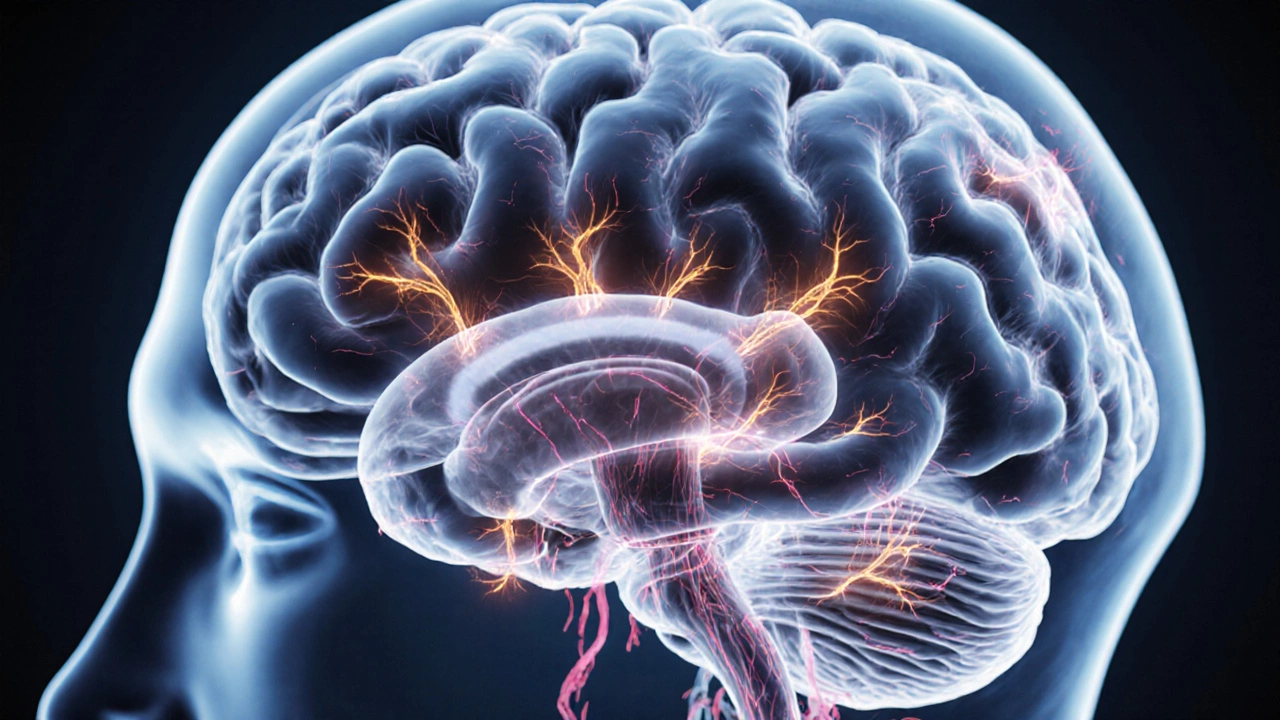
When you think about energy use in your body, you might picture running or lifting weights. But the real powerhouses aren’t your legs—they’re your body organ energy consumption, how much energy each internal organ uses to keep you alive. Also known as basal metabolic demand, this is the silent fuel bill your body pays 24/7, even while you sleep. Your brain alone uses about 20% of your total energy, even though it’s only 2% of your body weight. That’s more than your liver, kidneys, or heart—each of which runs like a high-performance engine with no off switch.
Why does your brain need so much juice? It’s not thinking about your to-do list—it’s managing your breathing, heartbeat, senses, and memory all at once. Every thought, every blink, every memory recall fires thousands of neurons that need constant glucose and oxygen. Meanwhile, your liver, the body’s chemical factory. Also known as metabolic hub, it processes nutrients, detoxifies blood, and stores energy, using up 20-25% of your body’s energy. Your heart, a muscle that never rests. Also known as cardiac pump, it beats over 100,000 times a day, burning energy just to keep blood flowing. Even your kidneys, working to filter waste, use more energy than your muscles when you’re at rest.
What’s surprising? Your muscles, even though they’re big, use less energy when idle. They only ramp up during movement. But your organs? They never take a break. That’s why losing weight isn’t just about burning calories through exercise—it’s about understanding how your body’s internal systems are wired to consume energy. Some organs are energy hogs by design. Others are efficient by necessity. And when you change your diet, sleep, or stress levels, these organs adjust their fuel use in ways you can’t see—but you can feel.
Below, you’ll find real research and insights into how these organs work, what drives their energy needs, and how factors like age, health, and lifestyle shift the balance. No guesswork. Just facts about what’s happening inside you right now.