Greenhouse Gases: What They Are, How They Work, and Why They Matter
When we talk about greenhouse gases, gases in Earth’s atmosphere that trap heat and cause the planet to warm over time. Also known as climate-warming gases, they’re not all bad—without them, Earth would be too cold to live on. But too much of them, especially from burning fossil fuels, is pushing the climate out of balance. The biggest one is carbon dioxide, a gas released when we burn coal, oil, or gas for energy. Others include methane from farms and landfills, and nitrous oxide from fertilizers. These aren’t abstract science terms—they’re tied to every time you turn on a light, drive a car, or eat food grown with industrial inputs.
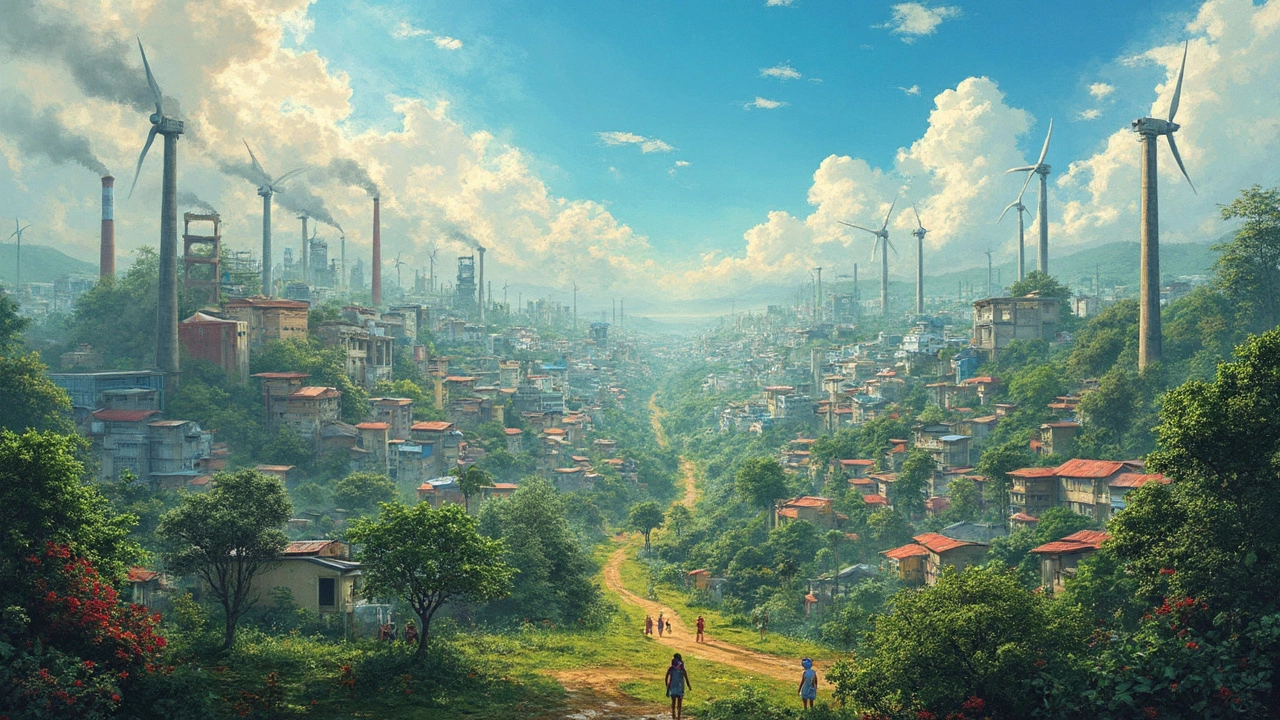
What makes greenhouse gases dangerous isn’t just their presence, but how fast they’re building up. India’s rapid growth means more energy demand, and until clean sources like renewable energy, power from sun, wind, or water that doesn’t emit greenhouse gases replace fossil fuels, emissions keep rising. But here’s the good news: solar and wind are now cheaper than coal in India, and more people are switching. That shift isn’t just about saving money—it’s about cutting the very gases that cause heatwaves, floods, and crop failures. Public health programs are starting to link air pollution from these gases to asthma and heart disease, while biotech is helping create alternatives like biofuels that release less carbon. Even technology transfer—getting clean tools from labs to villages—depends on understanding which gases matter most and where they come from.
You’ll find real stories here: how solar energy is beating fossil fuels in cost, why wind is the cleanest option, and how public health efforts are connecting pollution to disease. You’ll see how biotech innovations are replacing polluting processes, and how data scientists are tracking emissions to make smarter decisions. This isn’t about fear—it’s about facts, choices, and what’s already working. The posts below show exactly how India is tackling greenhouse gases—not with grand promises, but with practical, on-the-ground changes.