Public Health Intervention: Real Ways India Is Stopping Disease Before It Starts
When we talk about public health intervention, a planned action designed to improve health outcomes across a population. Also known as health intervention, it’s not about treating one sick person—it’s about stopping thousands from getting sick in the first place. Think of it like a fire alarm: you don’t wait for the whole building to burn down. You act early, fast, and smart.
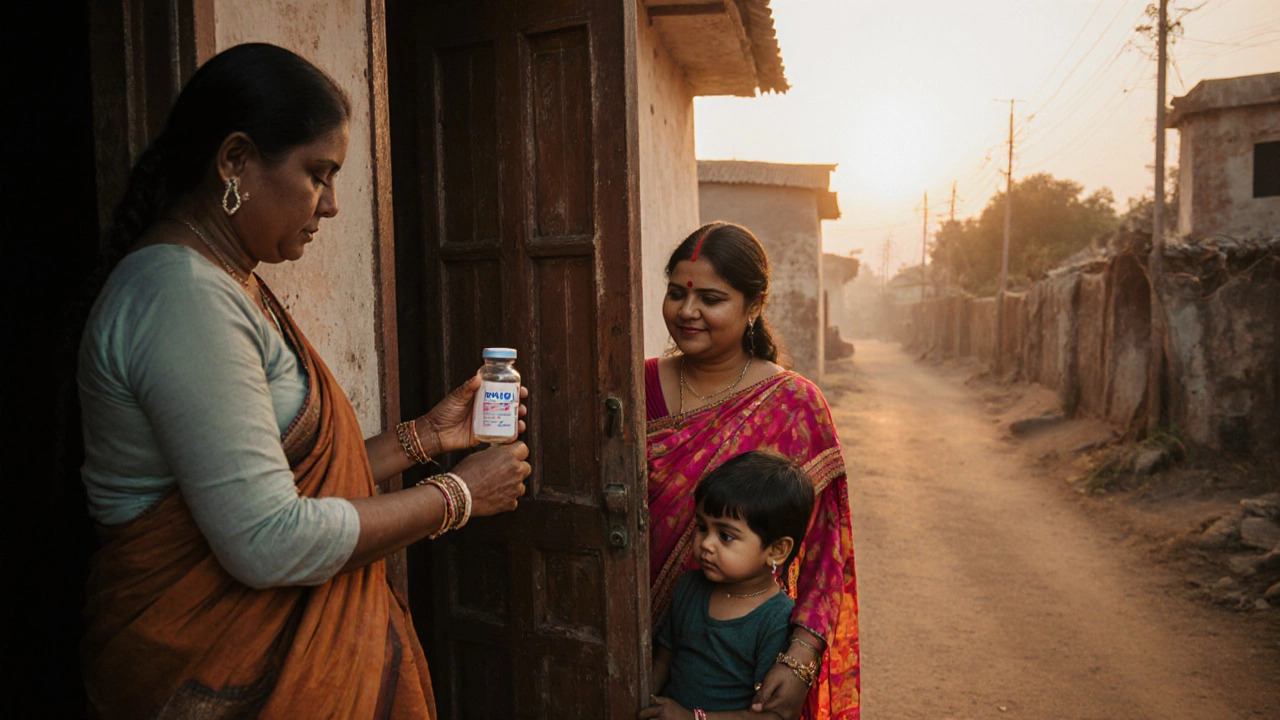
India’s vaccination campaigns, organized efforts to immunize large groups against deadly diseases are a perfect example. The polio eradication program didn’t just hand out shots—it used door-to-door teams, local influencers, and real-time tracking to reach every child. That’s a public health intervention in action. Same with clean water projects in rural villages, smoke-free laws in cities, or maternal care programs that cut newborn deaths by half in some states. These aren’t random acts. They’re designed systems built on three core functions: health surveillance, monitoring disease patterns to spot threats early, health policy, rules and funding that make prevention possible, and health promotion, teaching people how to stay healthy.
What makes these efforts stick? They don’t rely on fancy tech or big budgets. They use local trust. They listen to nurses, ASHA workers, and community leaders. They fix what’s broken—like supply chains for vaccines or clean toilets in schools. And they measure results. Not just how many shots were given, but how many kids stayed healthy, how many mothers survived childbirth, how many families stopped getting sick from dirty water.
You’ll find real stories here—not theory, not guesswork. Cases where simple actions saved lives. Where a mosquito net, a school nutrition program, or a phone reminder system made all the difference. This isn’t about global headlines. It’s about what’s happening right now, in towns and villages across India, where public health intervention is quietly turning the tide on disease.