STEM Education and Innovation in November 2025: Real Skills, Clean Energy, and Biotech Breakthroughs

When we talk about STEM education, an integrated approach to teaching science, technology, engineering, and math through hands-on problem-solving. Also known as integrated STEM, it’s no longer just about memorizing formulas—it’s about building thinkers who can fix real problems, from clean water access to smarter hospitals. In November 2025, the posts here show how this shift is playing out across India, not in theory, but in classrooms, labs, and rural communities.

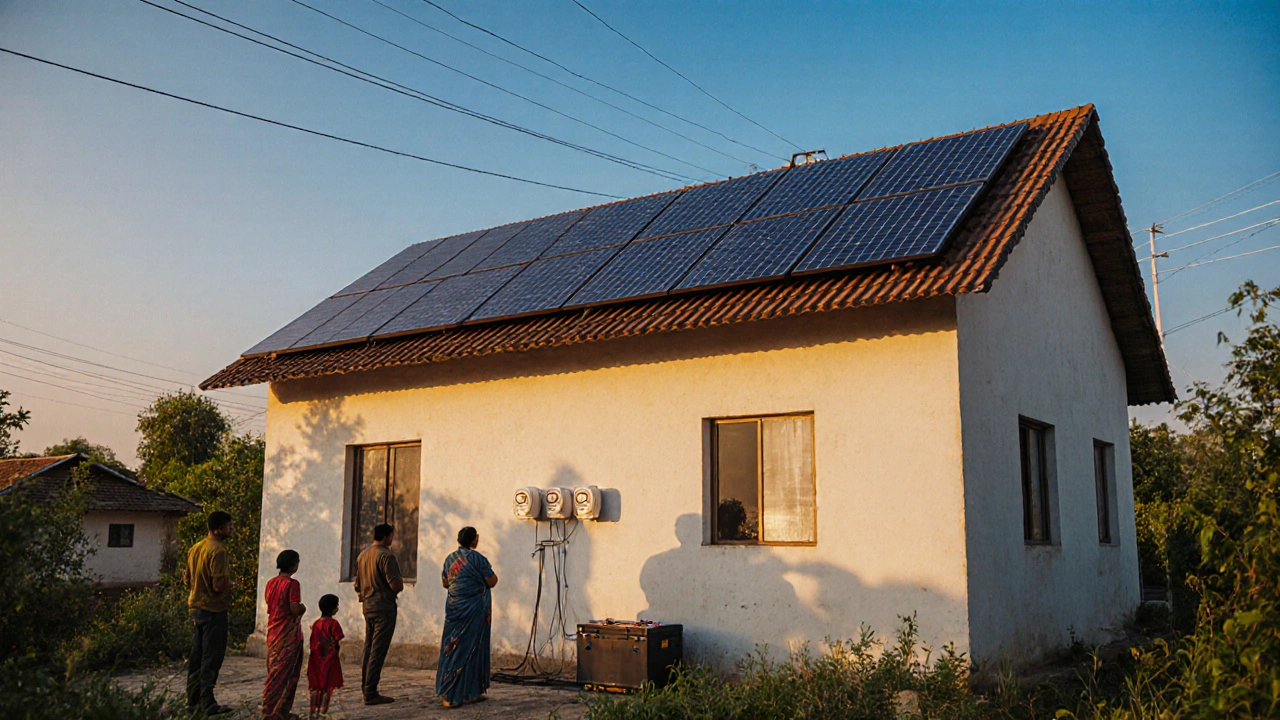
One big theme? renewable energy, power sources like solar and wind that generate electricity with minimal environmental impact. Also known as clean energy, it’s now cheaper than coal in India, and the numbers don’t lie—solar and wind cut costs, create jobs, and don’t pollute. Meanwhile, biotechnology, the use of living systems to develop products in medicine, farming, and environmental cleanup. Also known as biotech, it’s moving fast: CRISPR gene editing is making drought-resistant crops, and affordable gene therapies are starting to reach patients outside big cities. These aren’t distant futures—they’re happening now, and they’re tied to how we train the next generation.

But tech doesn’t work if it doesn’t reach the people who need it. That’s where technology transfer, the process of turning research into real-world tools and products. Also known as innovation transfer, it’s the bridge between labs and lives. Too often, great science fails because no one planned for how it’ll be used, maintained, or paid for. The posts here show how success comes from listening to nurses, farmers, and local engineers—not just writing papers. And when it comes to health, public health, the science of protecting communities from disease before it spreads. Also known as population health, it’s not about hospitals—it’s about vaccines, clean water, smoke-free laws, and diabetes prevention programs that work at scale. These programs don’t need fancy tech. They need smart design, local trust, and consistent action.

What ties all this together? People. Data scientists talk to warehouse managers. Biotech researchers work with farmers. Public health workers partner with teachers. STEM isn’t just subjects—it’s collaboration. And in November 2025, India’s best stories aren’t about who invented what, but who made it work—for real people, in real places. Below, you’ll find clear, no-fluff breakdowns of what’s actually happening: how kids learn problem-solving in class, why wind beats solar as the cleanest energy, how a single gene edit can save a crop, and why the best public health programs cost little but save thousands. No jargon. No hype. Just what’s working, right now.

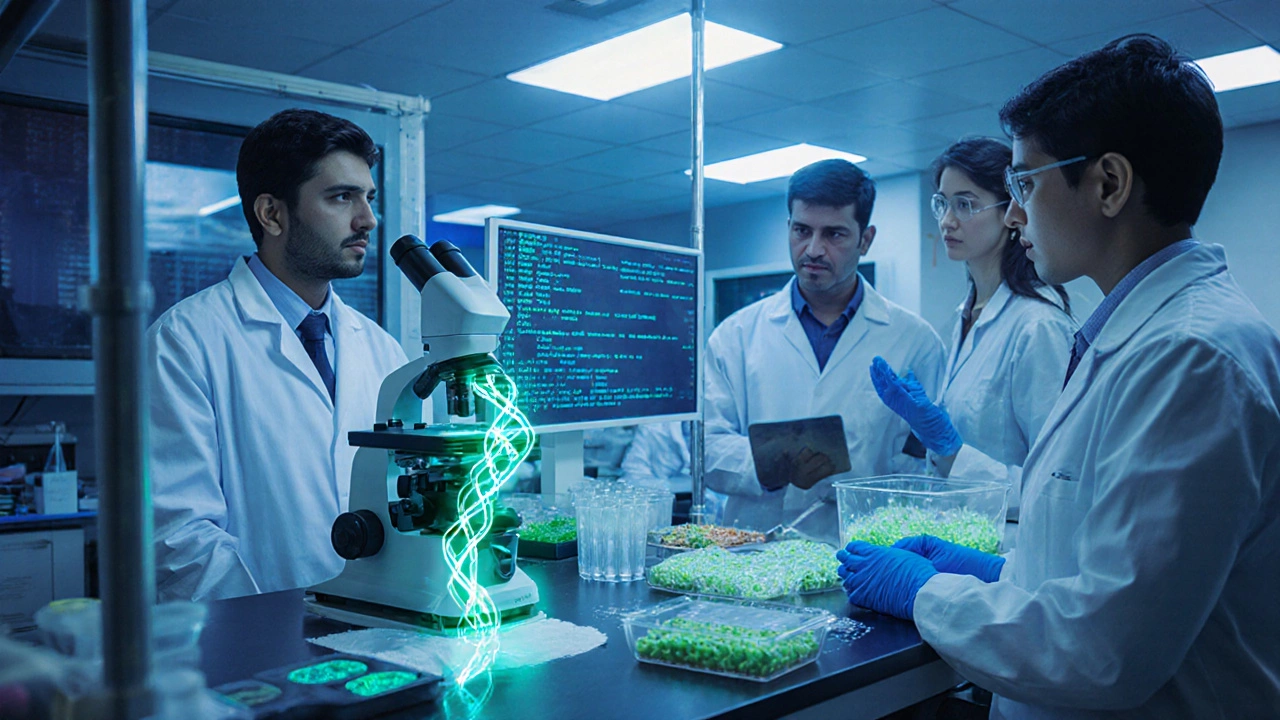
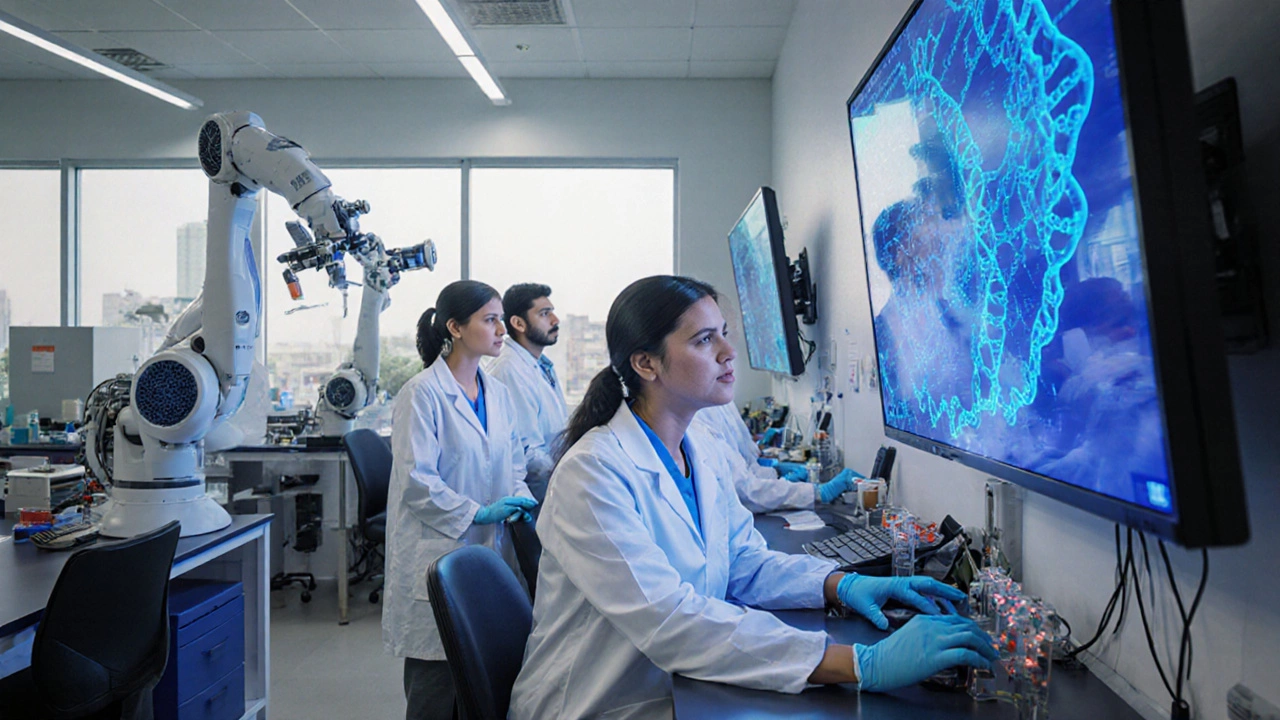
What Is Taught in a STEM Class? Real Skills Students Learn Today
STEM classes teach more than science and math-they build problem-solving, teamwork, and critical thinking skills through hands-on projects that connect real-world challenges with science, technology, engineering, and math.
Read More
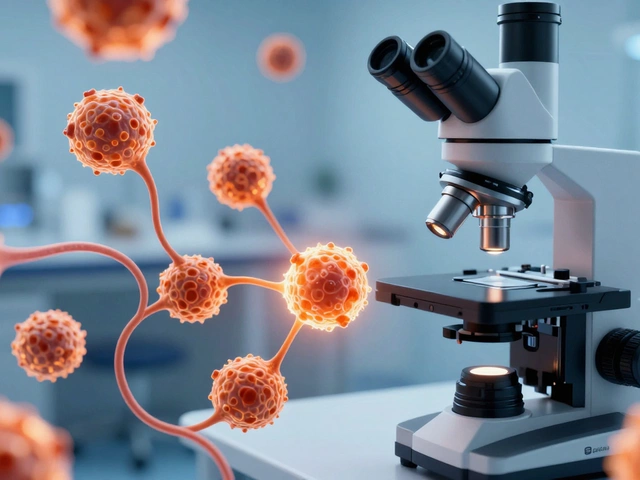
What Is Modern Biotechnology? Real-World Applications Today
Modern biotechnology uses CRISPR, synthetic biology, and gene editing to transform medicine, agriculture, and the environment. Discover real applications in India today-from drought-resistant crops to affordable gene therapies.
Read More
What Are the Challenges of Technology Transfer?
Technology transfer fails not because of bad science, but because of poor design, weak support, and misaligned incentives. Real adoption requires user-centered planning, local partnerships, and sustainable maintenance.
Read More
Is renewable energy cheaper? The real cost breakdown in 2025
Renewable energy is now cheaper than coal and gas in India. Solar and wind power cost less per unit, save money long-term, and create jobs. Learn why switching makes financial sense in 2025.
Read More
What Are the Different Types of Scientific Collaboration?
Scientific collaboration comes in many forms-from internal lab teams to global projects with hundreds of researchers. Learn the six main types, how they work, and how to choose the right one for your research.
Read More
What Are the Examples of Public Health Programs? Real Cases That Saved Lives
Real-world examples of public health programs that saved lives - from polio vaccines and smoke-free laws to clean water and maternal care. See how simple, scalable efforts prevent disease and protect entire communities.
Read More
Do Data Scientists Talk to People? The Real Work Behind the Numbers
Data scientists don't just work with numbers-they talk to people every day. From nurses to warehouse managers, their real job is understanding problems and turning them into actionable insights.
Read More
How Do Researchers Get Paid in Healthcare Research?
Healthcare researchers get paid through grants, institutional salaries, industry jobs, or government roles - not one steady paycheck. Here's how funding works, who earns what, and why the system is so unstable.
Read More
What Is an Example of an Intervention Program in Public Health?
An intervention program in public health is a planned effort to prevent disease and improve health outcomes. Examples include polio vaccination drives, diabetes prevention through lifestyle changes, and smoke-free laws. These programs work by targeting behaviors, not just symptoms.
Read More
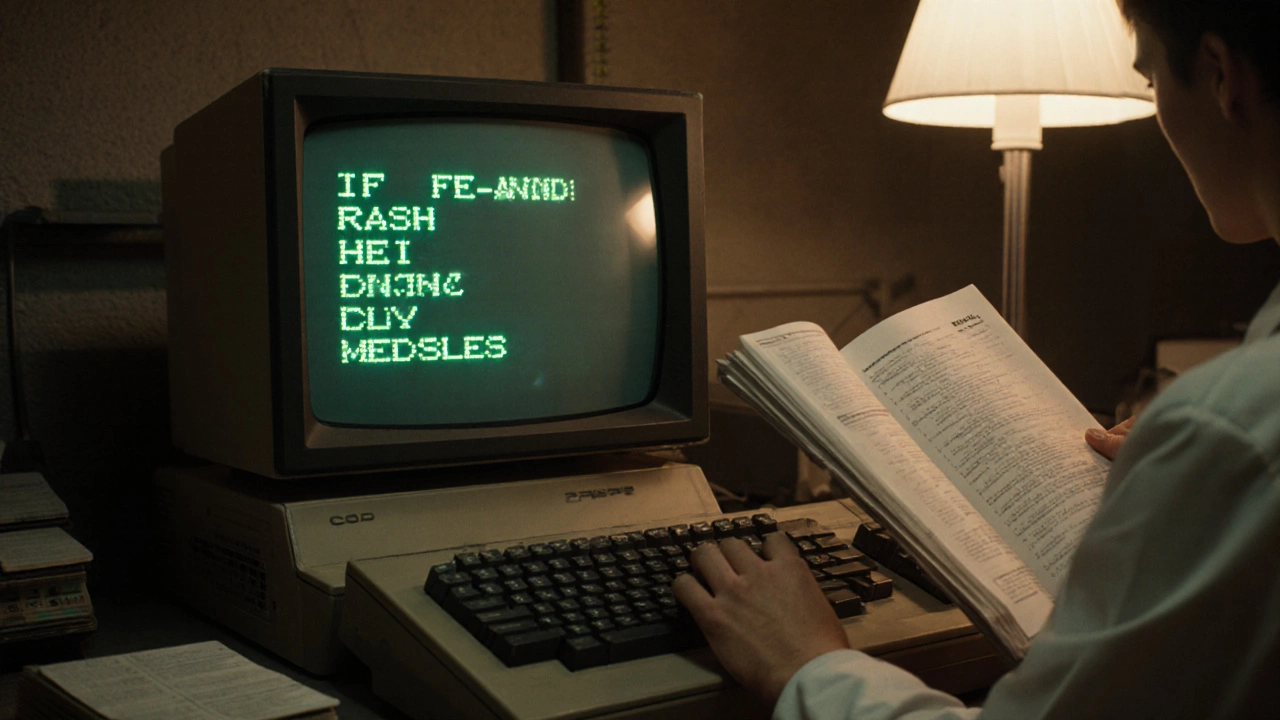
What is the simplest form of AI?
The simplest form of AI is rule-based systems-programs that follow fixed rules like 'if this, then that.' Used since the 1970s, they power chatbots, spam filters, and thermostats today. No learning required, just logic.
Read More
What Is the Job of a Transfer Agent in Technology Transfer?
A transfer agent enables research breakthroughs to reach the market by managing patents, licensing, and commercialization. They connect scientists with companies, ensure legal compliance, and track real-world impact.
Read More
Is Biotechnology a High Paying Job? Salary Insights and Career Paths in 2025
Biotechnology offers high-paying careers in 2025, especially for roles in bioinformatics, regulatory affairs, and gene editing. Salaries vary by location and experience, with top earners in India making over ₹25 lakh annually.
Read More