Firewood: What It Is, How It’s Used, and Its Role in India’s Energy Landscape
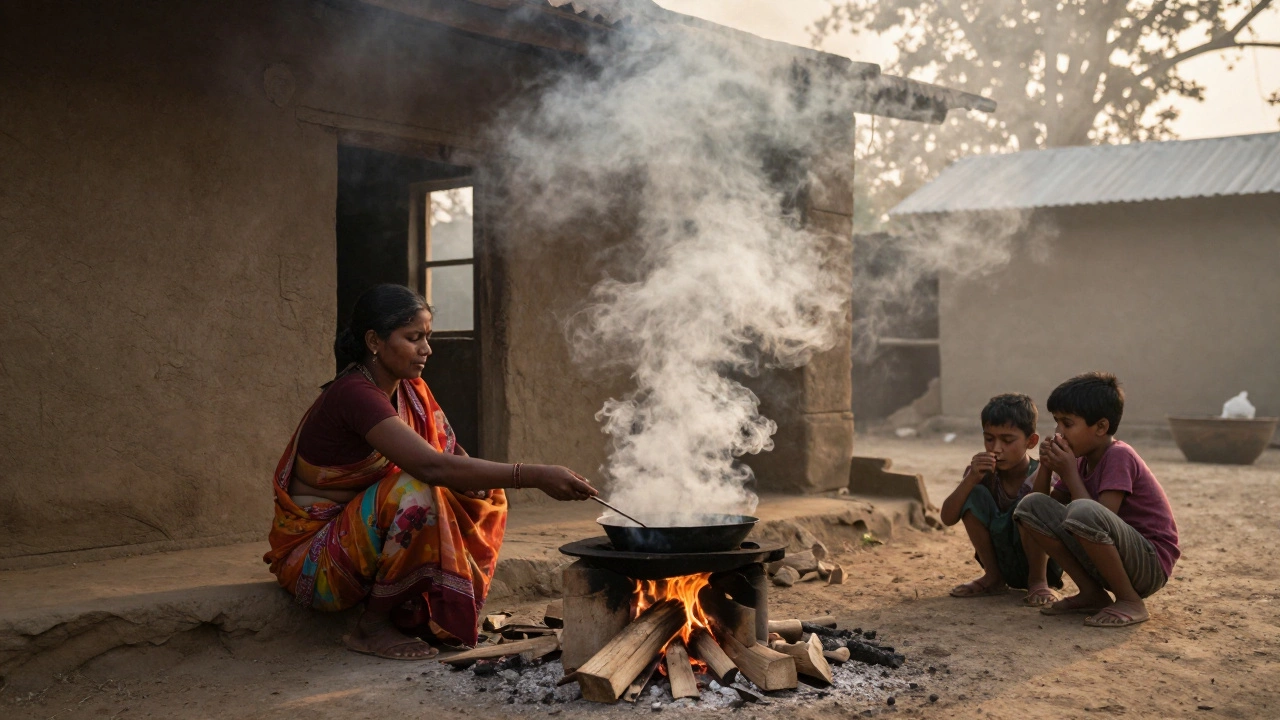
When people talk about firewood, a natural fuel made from dried wood and plant material used for heating and cooking. Also known as biomass fuel, it’s one of the oldest and most widely used energy sources in the world, especially in rural India. Unlike electricity or gas, firewood doesn’t need pipelines or grids—it just needs a stove, a match, and trees that grow back.
Firewood is part of a larger group of renewable resources, natural materials that replenish over time, like sunlight, wind, and plant matter. It’s not just about burning logs—it’s tied to how communities manage forests, what tools they use to collect it, and whether they have access to cleaner options. In many villages, firewood is still the main way to cook meals, boil water, and stay warm in winter. But it’s not without cost. Burning it releases smoke, which affects health, and if forests are cut faster than they regrow, it leads to soil loss and reduced biodiversity.
What’s interesting is that firewood isn’t disappearing—it’s changing. In places where electricity is unreliable or too expensive, families still rely on it. But now, governments and NGOs are introducing improved cookstoves that burn firewood more cleanly and use less of it. These stoves cut smoke by up to 70%, saving time, money, and lives. At the same time, projects are turning agricultural waste—like rice husks and sugarcane stalks—into compressed biomass bricks that burn hotter and cleaner than raw logs. This isn’t science fiction. It’s happening in villages across Madhya Pradesh, Odisha, and Bihar.
Firewood also connects to bigger topics like biomass energy, the use of organic materials to generate heat or power. While solar panels and wind turbines get most of the attention, biomass—including firewood—still provides over 30% of India’s rural energy. It’s not glamorous, but it’s essential. And unlike solar, which needs storage and infrastructure, firewood is simple: you cut it, dry it, stack it, and use it. That simplicity is why it endures.
Some see firewood as outdated. But for millions, it’s practical, affordable, and local. The real question isn’t whether to eliminate it—it’s how to make it safer, smarter, and more sustainable. That’s why the posts below explore everything from how households manage their wood supplies to how new technologies are turning waste into fuel. You’ll find real stories from the ground, data on usage patterns, and insights into what’s working—and what’s not—in India’s ongoing energy shift. Whether you’re researching rural livelihoods, clean cooking, or renewable resources, this collection gives you the facts without the fluff.