Wood Energy: Clean, Renewable Power from India’s Forests and Farms
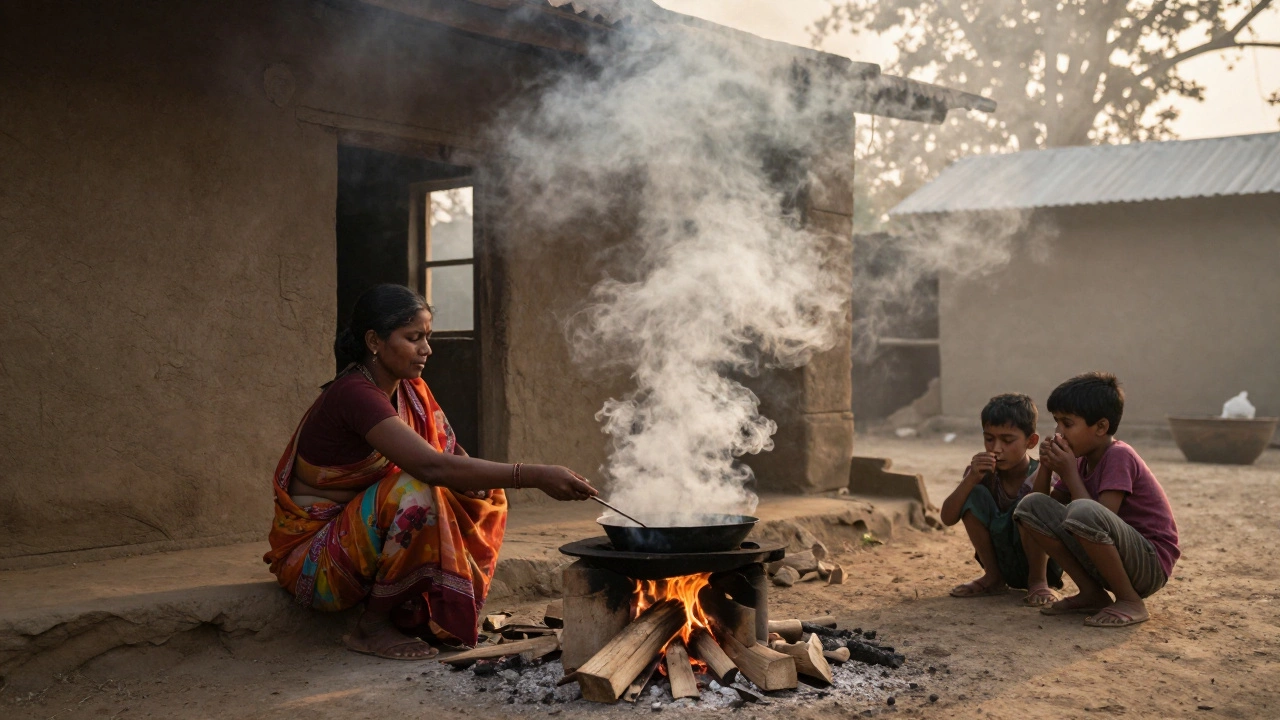
When we talk about wood energy, a form of renewable energy generated by burning organic plant material, especially wood and agricultural waste. Also known as biomass energy, it’s not just old-school firewood—it’s a smart, scalable solution powering villages, schools, and small factories across India. Unlike fossil fuels, wood energy recycles carbon already in the atmosphere. Trees absorb CO2 as they grow, and when burned cleanly, they release roughly the same amount back—making it carbon-neutral over time.
What makes wood energy special in India is how it fits into daily life. In rural areas, it’s often the only affordable fuel for cooking and heating. But now, it’s going beyond the hearth. Modern biomass energy, the process of converting organic matter like crop residues, sawdust, and coconut shells into usable heat or electricity is being used in mini-power plants. These systems turn rice husks, sugarcane bagasse, and even tree prunings into electricity that lights up entire clusters of homes. The Indian government has supported this shift through programs that help farmers sell their waste as fuel—turning what used to be burned in open fields into a clean income source.
It’s not just about replacing kerosene. sustainable fuel, any energy source that can be replenished naturally without harming the environment like wood energy reduces indoor air pollution, which kills over a million Indians every year from breathing smoke. Modern pellet stoves and gasifiers burn wood cleanly, with almost no smoke. They’re simple, cheap to maintain, and work even where the grid doesn’t reach. In states like Odisha, Madhya Pradesh, and Karnataka, community-run wood energy projects are cutting fuel costs by 60% and creating local jobs in collection, processing, and distribution.
There’s a myth that wood energy harms forests. But in India, most of it comes from agricultural waste, tree pruning, and fast-growing species planted on marginal land—not from cutting down natural forests. The real challenge isn’t supply—it’s access to clean-burning tech. That’s where innovation comes in. From small-scale gasifiers in Tamil Nadu to biomass boilers in Kerala’s tea estates, the country is proving that wood energy can be modern, efficient, and fair.
What you’ll find in the posts below are real stories from across India: how farmers turned crop waste into fuel, how schools switched from diesel to wood pellets, and how researchers are making wood energy even cleaner. No hype. No guesswork. Just what’s working on the ground—and how you can use it too.