Biotech Ethics Checker
Ethical Impact Assessment
Evaluate your biotech scenario against core ethical concerns from the article.
The biggest ethical issue facing biotech today isn’t about science failing-it’s about science moving faster than society can decide what’s right.
Gene editing is no longer science fiction
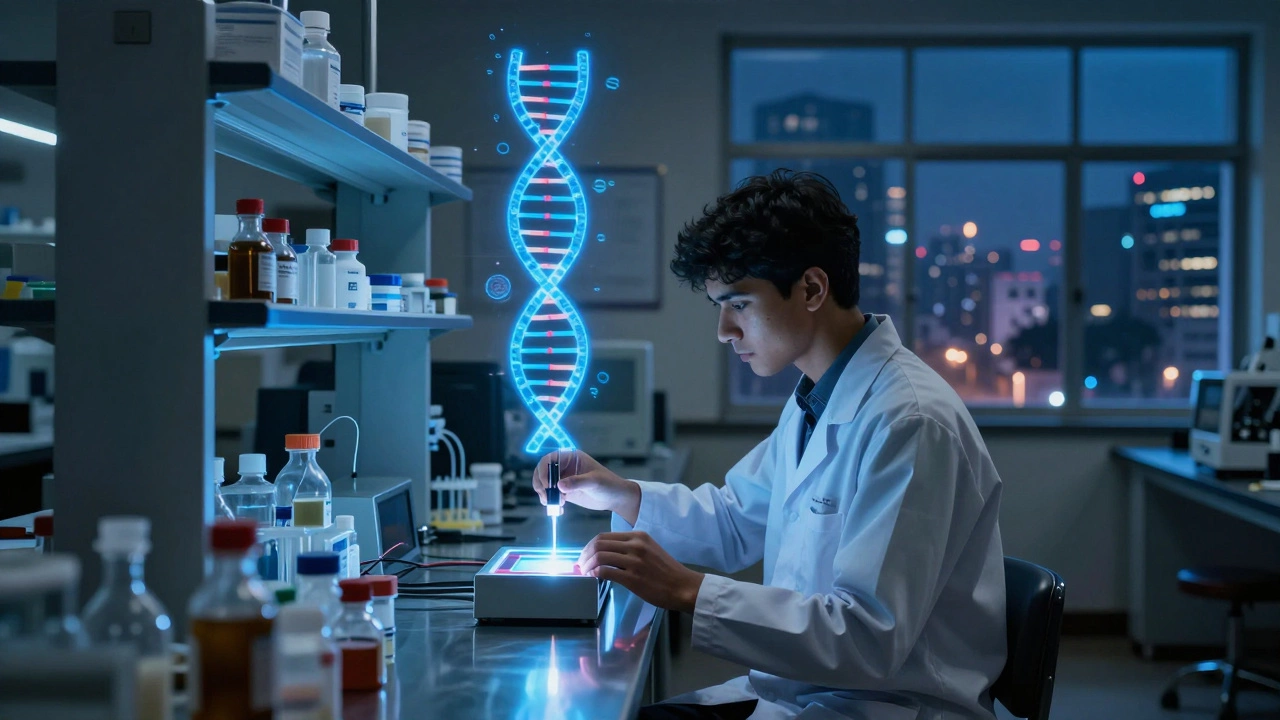
In 2018, a Chinese scientist used CRISPR to edit the embryos of twin girls, making them resistant to HIV. He wasn’t stopped. He was jailed. But the damage was done. The world watched as the line between curing disease and designing humans blurred. Today, CRISPR tools are cheaper and easier to use than ever. A university lab in Bangalore can order a gene-editing kit online for under $200. The science is no longer the problem. The ethics are.
Who gets to decide what traits are "correctable"? Should we edit out genes linked to deafness, autism, or short stature? These aren’t diseases. They’re part of human diversity. But with pressure from parents wanting "the best" for their children, and companies selling genetic screening packages as part of IVF, we’re sliding into a new kind of eugenics-not enforced by the state, but chosen by the market.
Genetic privacy is disappearing
More than 40 million people have sent their DNA to companies like 23andMe or AncestryDNA. They think they’re learning about their heritage. What they don’t realize is that their genetic data is being sold, shared, or used for research they never agreed to. In 2024, a U.S. court ruled that police could access a public genealogy database to identify a suspect. That’s fine for catching criminals. But what happens when your insurance company finds out you carry a gene linked to Alzheimer’s? Or when your employer sees you have a higher risk for depression?
There are no global laws protecting genetic privacy. In India, the Digital Personal Data Protection Act of 2023 mentions genetic data-but doesn’t define how it can be used in biotech research. That loophole means companies can collect, store, and profit from your DNA without your real consent. Your biological information is now a commodity. And you’re not being paid for it.
Human enhancement is creeping into everyday life
Imagine a future where kids take pills to improve memory before exams. Or athletes use gene therapies to boost muscle growth. These aren’t fantasies. Clinical trials for cognitive enhancers are already underway. In labs in Boston and Singapore, scientists are testing gene edits that increase oxygen efficiency in muscles. The goal? To treat muscle-wasting diseases. But the same tech could be used by Olympic teams-or high school students trying to get into elite universities.
When enhancement becomes normal, it becomes expected. Parents who can’t afford gene edits for their kids will be seen as negligent. Schools might start requiring genetic screenings. The gap between rich and poor won’t just be about money anymore-it’ll be written into your DNA.
Who owns life? The patent problem
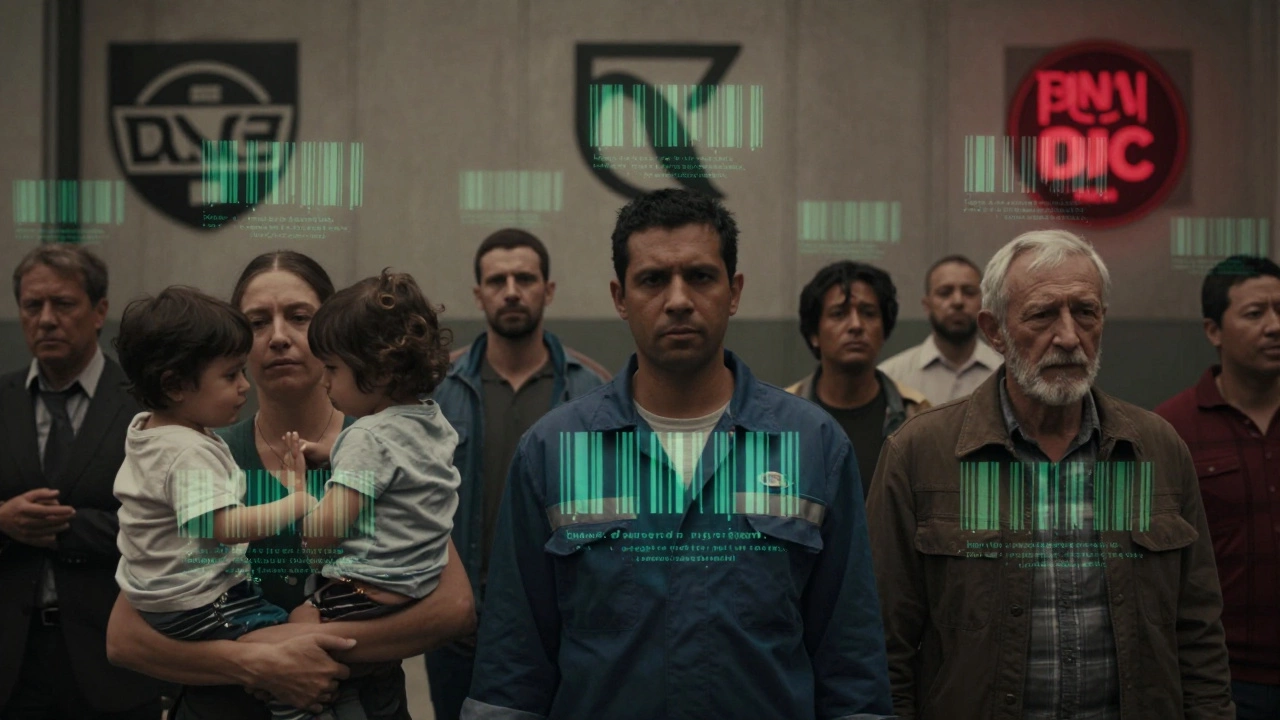
In 2013, the U.S. Supreme Court ruled that naturally occurring genes can’t be patented. But synthetic genes? Those are fair game. Today, over 40,000 gene patents are active worldwide. Companies own the rights to test for BRCA1 (linked to breast cancer), to grow certain types of engineered bacteria, even to use specific CRISPR sequences.
In India, a biotech firm patented a modified version of a native rice gene that resists pests. Farmers who used the traditional version were told they were infringing on the patent. They had to pay royalties just to grow their own crop. This isn’t innovation-it’s biopiracy dressed up as intellectual property.
When life forms become corporate property, science stops being public. Research slows down. Cures become expensive. And the people who need them most? They’re locked out.
The global divide is widening
Biotech breakthroughs are happening in the U.S., China, and Europe. But who benefits? In sub-Saharan Africa, 80% of the population has never had a genetic test. In rural India, millions still lack clean water-yet gene therapies for rare diseases cost over $2 million per patient.
Biotech isn’t neutral. It reflects who has power. The research agenda is shaped by wealthy investors and pharmaceutical giants. Diseases that affect rich populations get funded. Diseases that kill poor children? They’re ignored. A malaria vaccine using mRNA tech took 20 years to develop. A COVID vaccine took 11 months. Why? Because profit followed the pandemic, not the suffering.
There’s no global rulebook
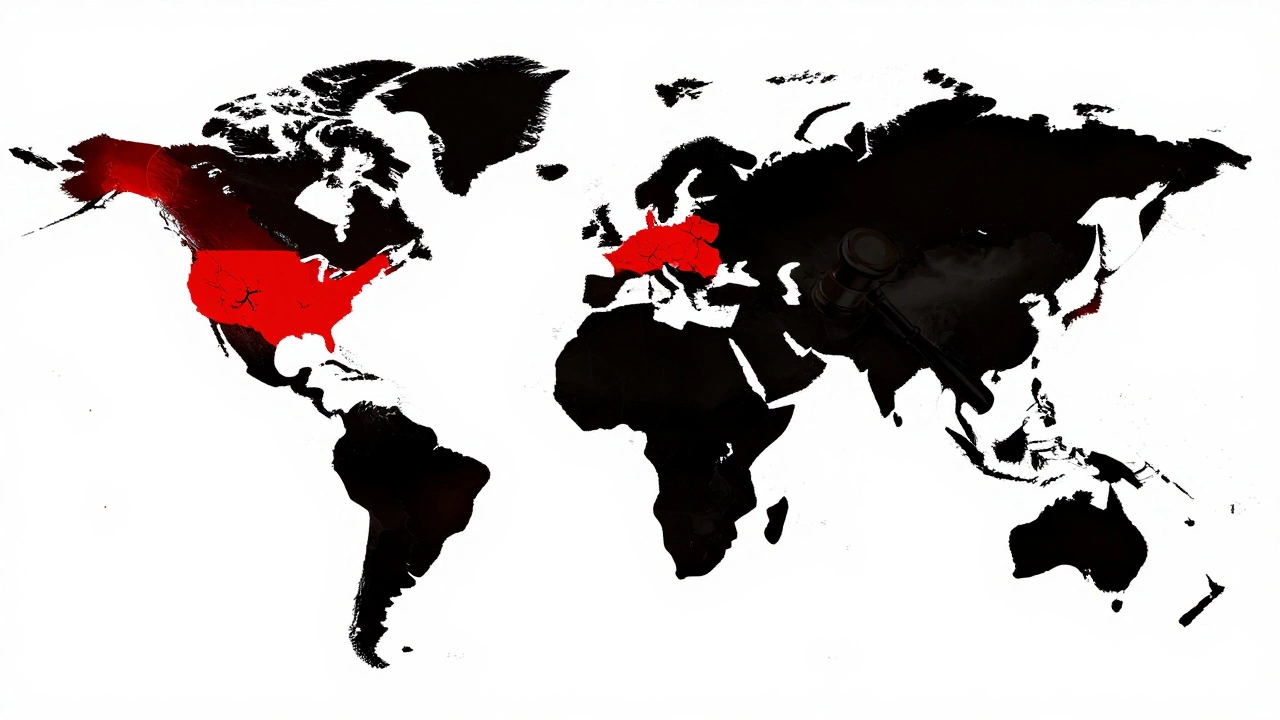
There’s no international treaty governing human gene editing. The WHO has guidelines-but they’re not binding. The U.S. allows private companies to run clinical trials with few restrictions. China has cracked down after the CRISPR babies scandal-but enforcement is patchy. The EU bans germline editing outright. India? No clear law exists.
This lack of coordination means one country’s breakthrough becomes another’s nightmare. A therapy approved in Singapore might be banned in Brazil. A gene edit that’s legal in Germany could be illegal in Nigeria. Without global standards, we’re playing Russian roulette with human biology.
What can be done?
There’s no easy fix. But here’s where change can start:
- Public oversight boards with scientists, ethicists, patients, and community leaders-not just corporate reps-must review all human gene-editing projects before they begin.
- Genetic data must be treated like medical records: encrypted, owned by the individual, and only shared with explicit, informed consent.
- Gene patents on naturally derived sequences must be banned globally. Innovation should reward engineering, not ownership of nature.
- Access to therapies must be built into research from day one. If a treatment costs $1 million, it’s not a cure-it’s a luxury.
- Education matters. People need to understand what gene editing can and can’t do. Fear and hype both lead to bad decisions.
The tools are here. The power is real. But wisdom? That’s still in short supply.
Is gene editing illegal?
It depends on what you’re editing and where. Editing somatic cells (non-reproductive cells) to treat diseases like sickle cell anemia is legal in many countries, including the U.S. and the U.K. But editing embryos or germline cells-changes that can be passed to future generations-is banned in over 70 countries, including India and most of Europe. In China, it’s restricted but not fully prohibited. Enforcement varies widely.
Can my DNA be used against me?
Yes. Insurance companies in the U.S. are barred from using genetic data to deny coverage under GINA, but that law doesn’t cover life insurance, long-term care, or disability policies. Employers can’t legally demand genetic tests-but they can ask for health data that includes genetic risk. In countries without strong laws, like India, there’s no protection at all. Your DNA could be used to deny you a job, a loan, or health coverage.
Are there biotech companies doing ethical work?
Yes. Companies like Beam Therapeutics and Editas Medicine focus on curing genetic diseases with somatic editing, not enhancement. They publish their ethics guidelines and involve patient advocacy groups in trial design. Some Indian startups, like Strand Life Sciences, offer affordable genetic testing with strict data privacy policies. But these are exceptions, not the norm. Most biotech firms prioritize speed and profit over ethics.
Why isn’t the government regulating this better?
Because regulation lags behind innovation. Biotech moves faster than lawmakers can understand it. Many politicians lack scientific training. Lobbying by big pharma and venture capital firms delays action. In India, the Department of Biotechnology oversees research-but has no authority to enforce ethical rules on private companies. Without clear penalties, violations go unchecked.
What’s the difference between therapy and enhancement?
Therapy fixes a disease or disorder-like correcting a gene that causes cystic fibrosis. Enhancement improves a trait beyond normal function-like editing genes to make someone taller, smarter, or stronger than average. The line is blurry. Is giving a child a gene edit to prevent Alzheimer’s therapy? Or is it enhancement if they were never at risk? Most ethicists agree: therapy is acceptable. Enhancement is where society must draw a line-or risk creating biological inequality.
Where do we go from here?
The question isn’t whether we can edit the human genome. We already can. The question is: who gets to decide what kind of humans we become?
Every breakthrough in biotech forces us to ask harder questions. Not just about science-but about justice, fairness, and what it means to be human. If we don’t set boundaries now, we’ll wake up one day in a world where your worth is measured by your DNA-and no one can change it.