Archive: 2026/03

Data science uses math, but not constantly. Learn exactly which mathematical concepts matter most, how libraries reduce calculation burden, and realistic learning paths based on your career goals.
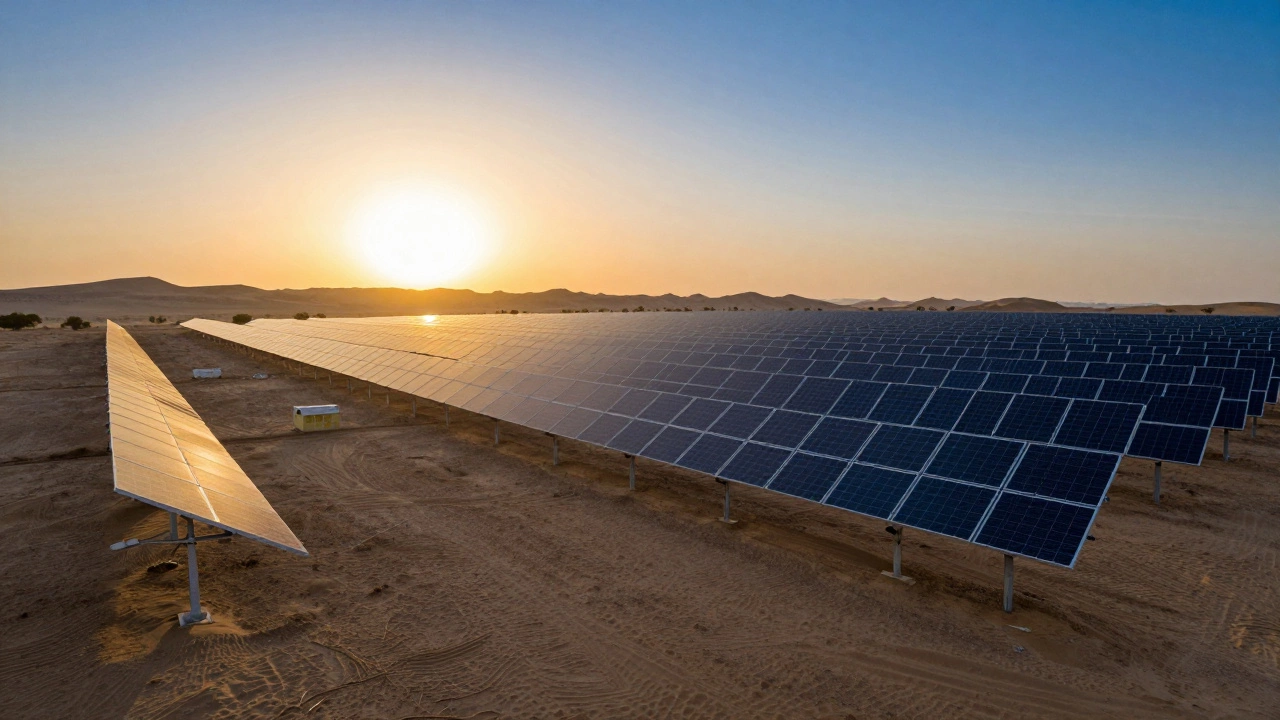
Discover the meaning of renewable energy, the fuel source that restores itself naturally while we use it, replacing finite fossil options.

Mar, 24 2026
Explore real-world examples of interprofessional collaboration in healthcare, science, and education. Learn how breaking down silos improves outcomes and drives innovation.

Mar, 20 2026
Becoming a data scientist takes 12 to 24 months of consistent effort, depending on your starting point. Focus on hands-on projects, Python, SQL, and communication - not certifications or flashy tools.
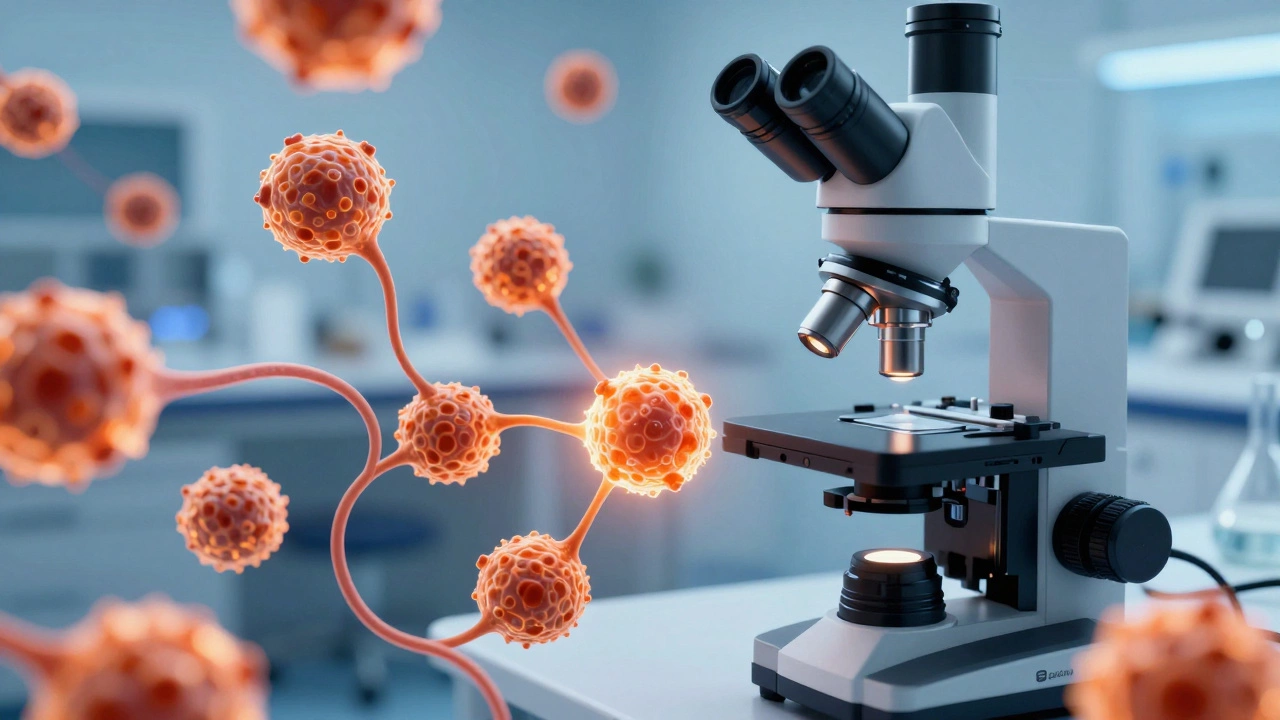
Nanotechnology didn't just emerge in 2024-it transformed medicine, electronics, construction, and agriculture with real, scalable solutions. From targeted cancer drugs to self-cleaning concrete, nanotech became the quiet backbone of everyday innovation.
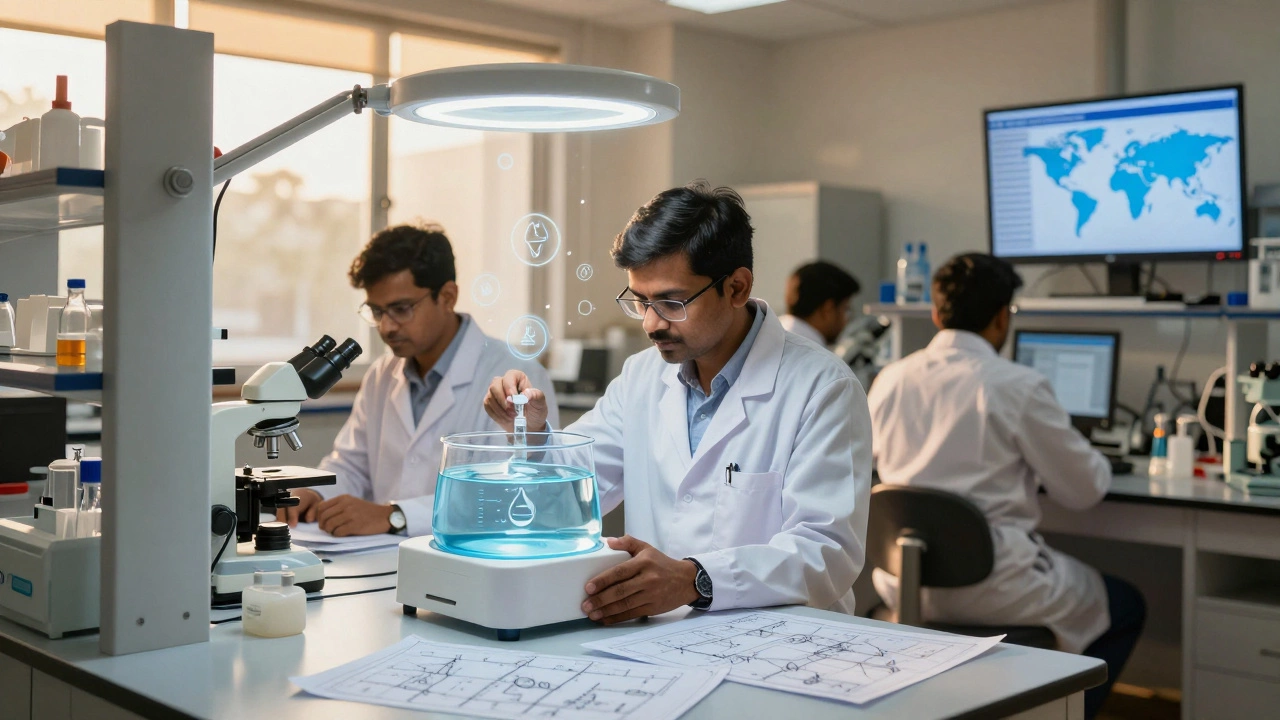
Technology transfer isn't just about patents - it's about who gets to use new innovations. Startups, public health systems, and developing countries benefit most when tech is adapted locally, licensed openly, and supported with training. Not everyone wins - and that's the real problem.
Mar, 10 2026
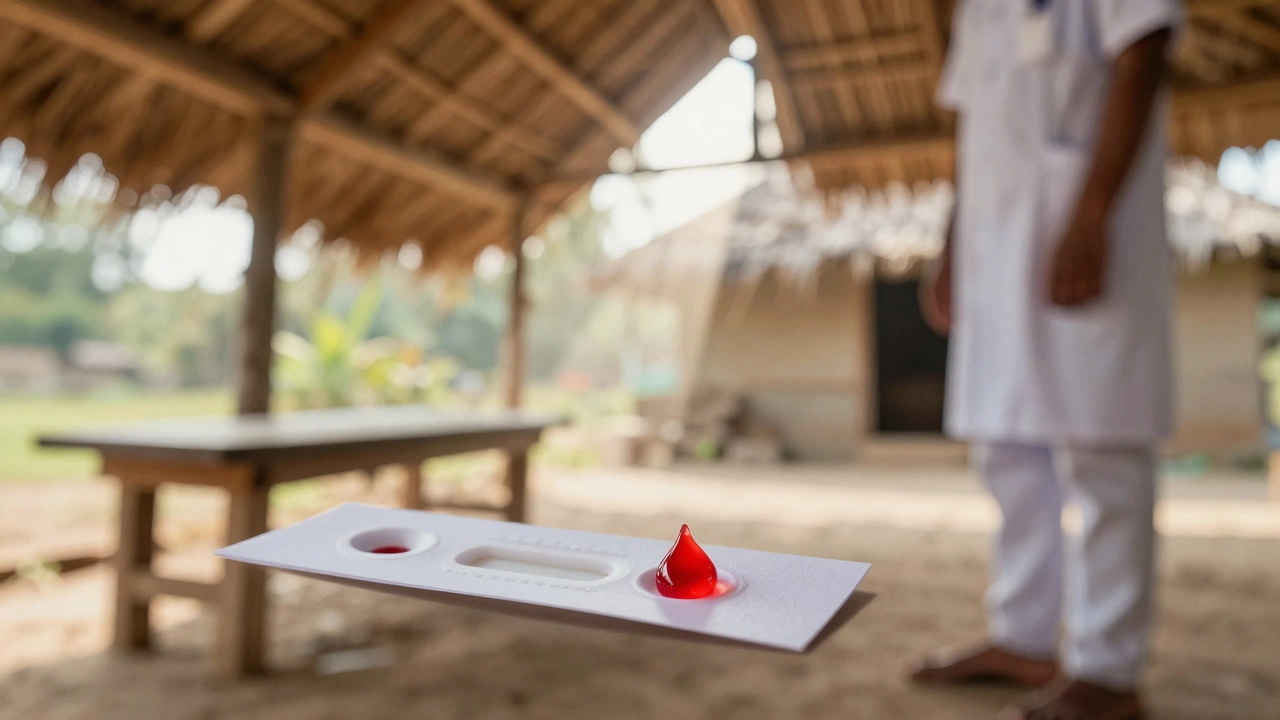
Nanotechnology is revolutionizing disease detection by spotting cancer, Alzheimer’s, malaria, and more at ultra-early stages. With faster, cheaper, and more accurate tests, it’s making early diagnosis possible even in remote areas.
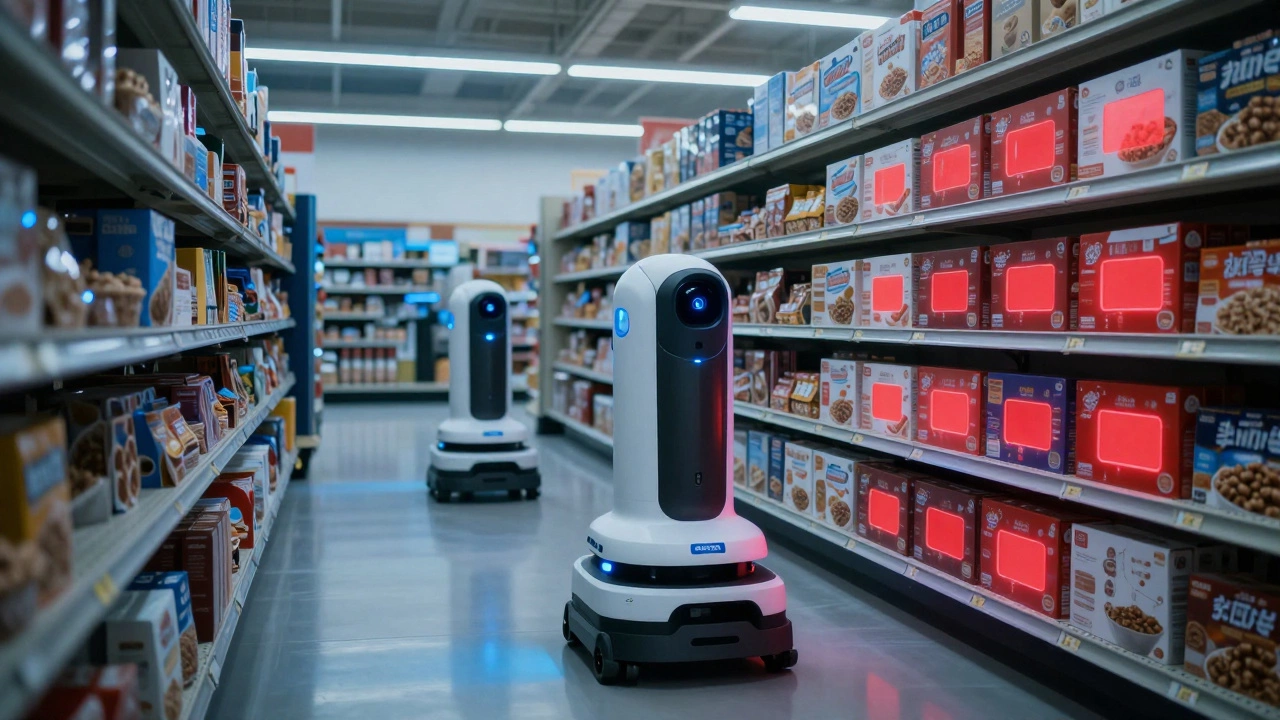
Walmart uses AI to cut food waste, predict what customers will buy, automate warehouses, and eliminate checkout lines. From shelf-scanning robots to AI-powered delivery routes, the retail giant relies on artificial intelligence to keep its massive operation running smoothly and affordably.

Becoming a clinical researcher takes 5-8 years on average, depending on your education path. Learn the steps from bachelor’s degree to certification and entry-level roles in India’s growing clinical trials industry.